.png)
March 23rd is National Puppy Day which feels like the perfect excuse to celebrate those tiny paws, wiggly tails, and the brand-new routines that come with bringing home a puppy. Puppies are adorable....but also absolutely chaotic, exhausting, and well let’s face it obviously completely worth it. If you’re welcoming a new pup (or thinking about it), here’s what to expect and the key training milestones that set you up for long-term success so you can remain enamored with their squishy, precious face and sweet puppy breathe.
First: A Reality Check (In the Best Way)
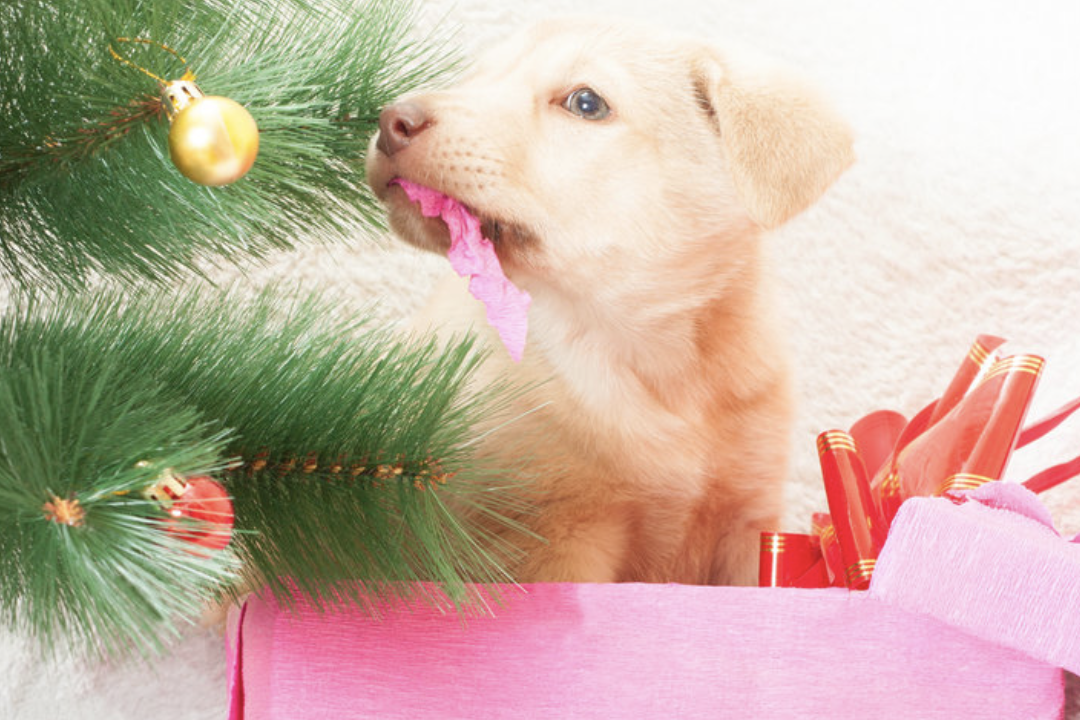
Puppies learn by doing and they do everything with their mouth. It’s their way of testing out their little, new world. Your puppy isn’t being “bad” when they:
- bite hands and clothing
- have accidents indoors
- whine in the crate
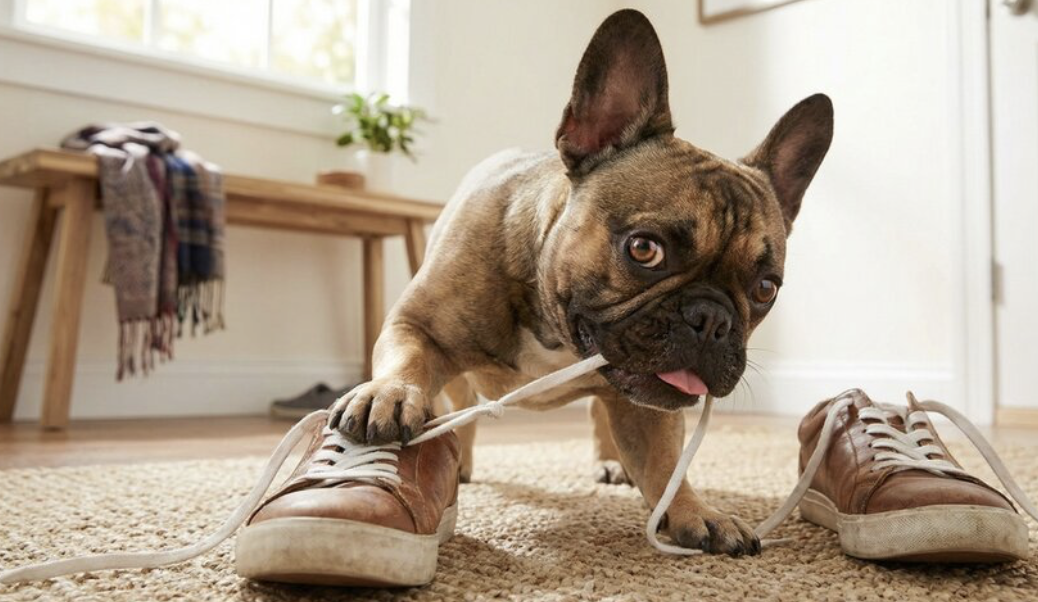
- grab socks like it’s their main mission in life
They’re just being a puppy. Your job early on is to create structure and teach calm habits in small, repeatable steps. All in the fun of watching them learn and grow!

What to Expect in the First 2–4 Weeks
1) Sleep… a lot
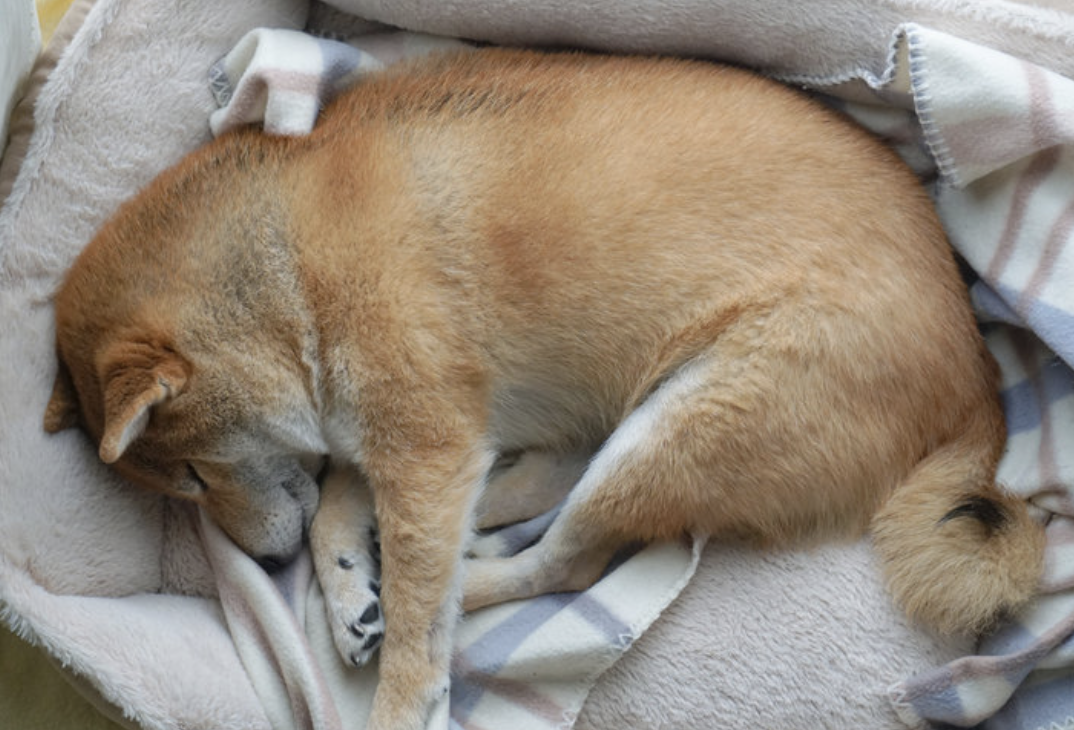
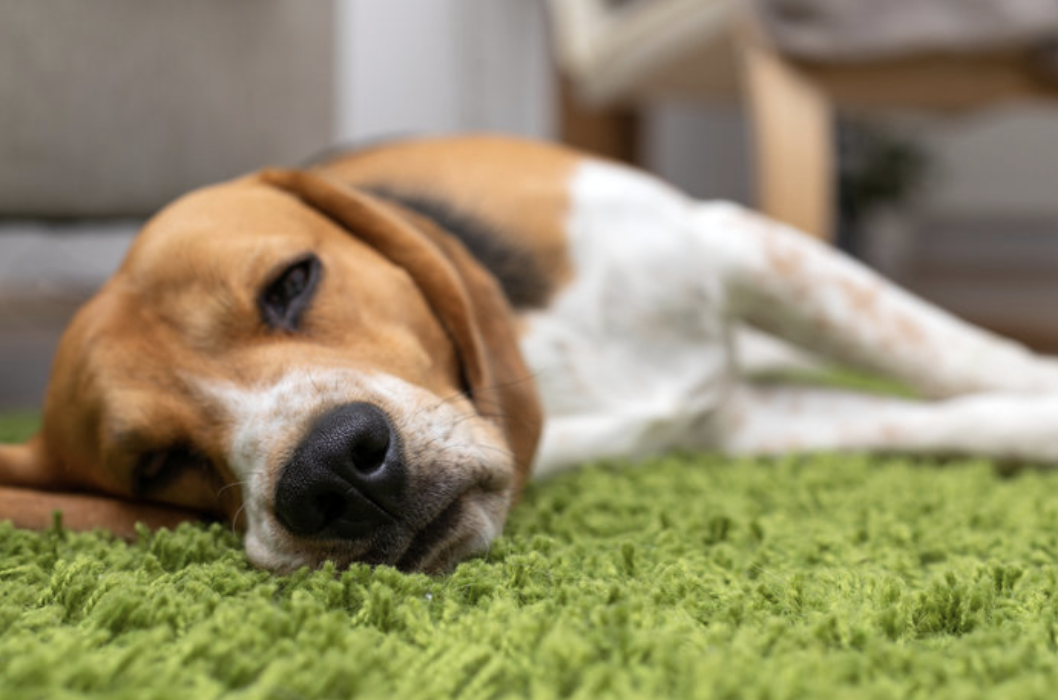
Most puppies sleep 18–20 hours/day. Overtired puppies get bitey and wild, so naps aren’t optional. This sleeping skill is a big part of training.
Tip: If your puppy turns into a piranha, it often means: “I need a little nap.”
2) Small bladders, frequent potty breaks
Accidents are normal early on. Expect to go out:
- right after waking
- after eating or drinking
- after play
- before and after crate time
Training focus: reward potty outside immediately (treat + praise within 1–2 seconds - their attention space is short :).
3) “Velcro puppy” energy
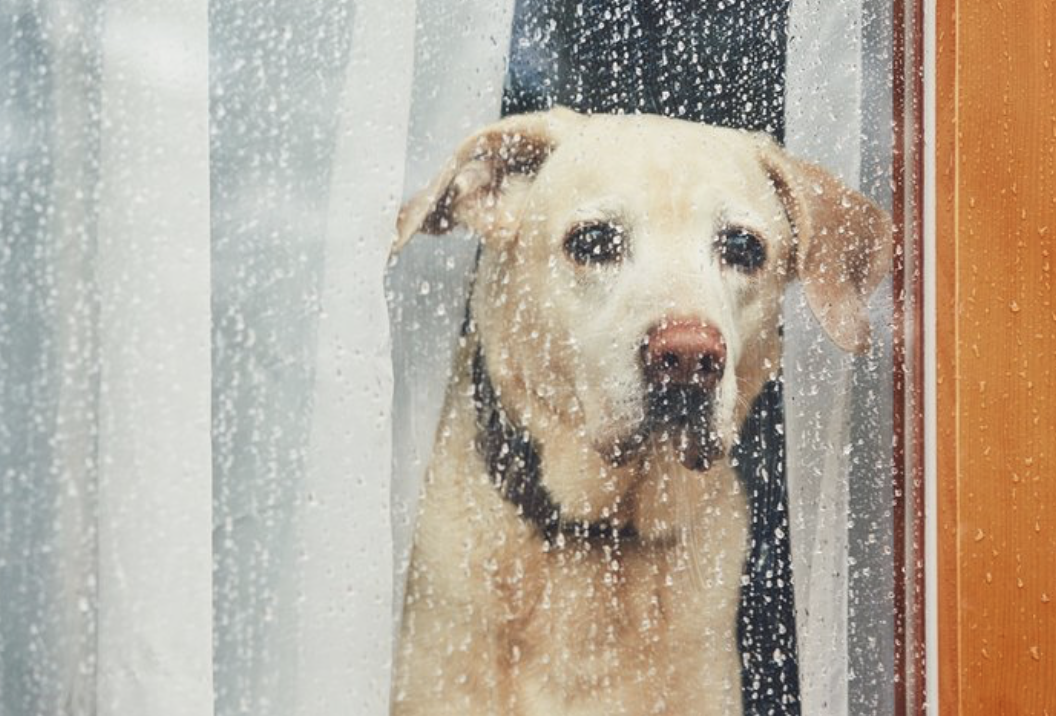
Many puppies struggle with being alone at first. Which makes sense since they are entering a whole new environment. This is normal, but you can teach independence gently and over time.
Training focus: short, positive “alone time” reps (even 30–90 seconds) while they’re calm.
.png)
4) Mouthing and biting
Puppy teeth hurt, and they bite to explore, play, and soothe teething discomfort.
Training focus: redirect to a toy, reward gentle play, and use short breaks if they get too amped.
Puppy Training Key Milestones
8–10 weeks: Safety + routines
This stage is about building predictability.
Milestones to aim for:
- Potty routine started (consistent schedule, rewards outside)
- Crate introduced (positive association: meals, treats, short rests)
- Name recognition (“look at me” when you say their name)
- Handling practice (paws, ears, mouth—paired with treats)
- Simple cues begun: sit, touch (nose to hand), come (indoors)
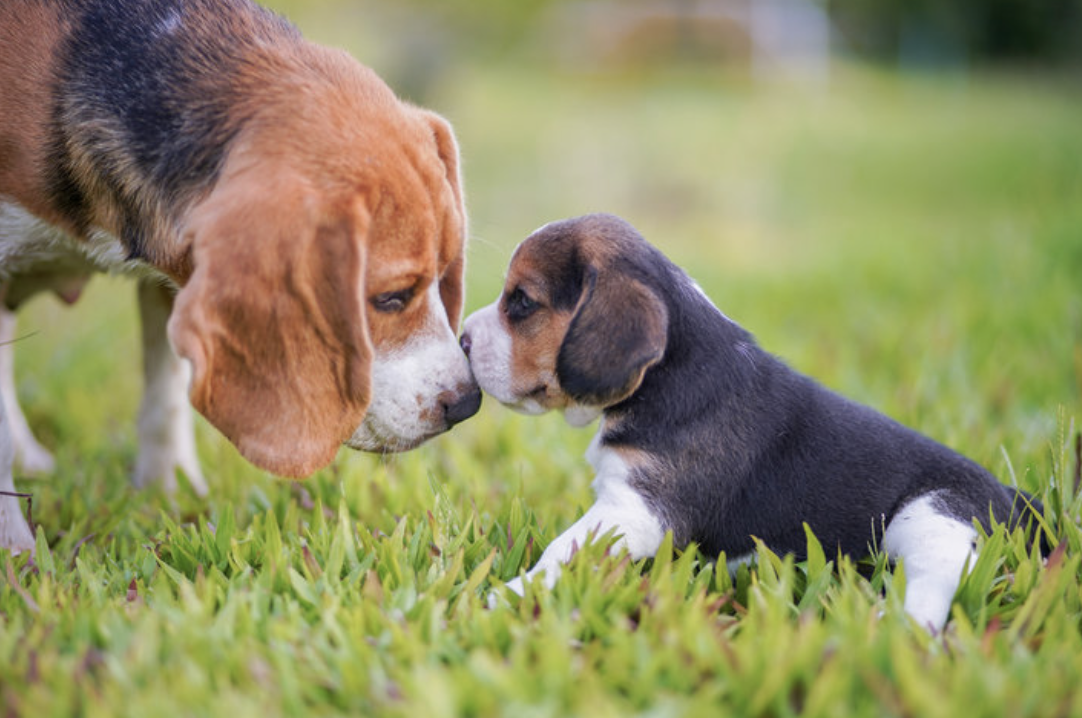
10–12 weeks: Socialization window
This is a prime time to introduce your puppy to the world in a controlled, positive way.
Milestones to aim for:
- Calm exposure to: different people, surfaces, sounds, cars, hats, strollers, etc.
- Short car rides with treats
- “Settle” moments: rewarding calm on a mat/blanket
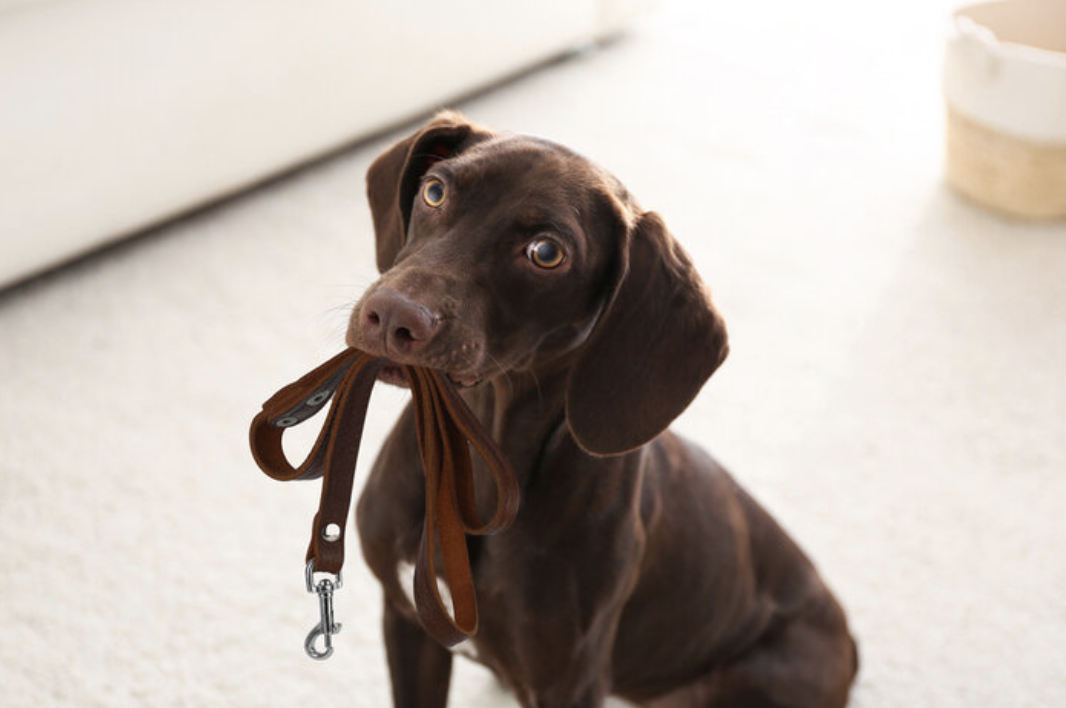
- Leash introduction indoors + short outdoor sessions
Important: Socialization doesn’t mean letting everyone pet your puppy. It means your puppy experiences new things, and you help them stay curious vs. panicked. The world can be a little scary and some dog personalities may be more timid than others. Make sure you are checking in with their body language.
12–16 weeks: Consistency + confidence
Now you’re building real skills, and your puppy is also becoming bolder.
Milestones to aim for:
- Fewer accidents (still normal to have setbacks)
- Crate comfort increases (longer naps, less fussing)
- Recall practice expands (indoors → yard → low-distraction areas)
- Loose leash foundations (“walk near me = good things happen”)
- Bite inhibition improves (gentler mouth, better toy redirection)
Inserting 2- 5 minutes of training at a time can go a long way, and with their attention span is a good recommendation.
4–6 months: Teething + “testing boundaries”
Expect chewing, selective hearing, and bursts of independence.
Milestones to aim for:
- Reliable chewing choices (rotate chews/toys)
- Stronger “leave it” and “drop it”
- Calm greeting practice (no jumping and reward four paws on the floor)
- Longer “settle” periods while you work/eat
Reality check: This is often when people feel discouraged. It’s normal. Stay consistent.
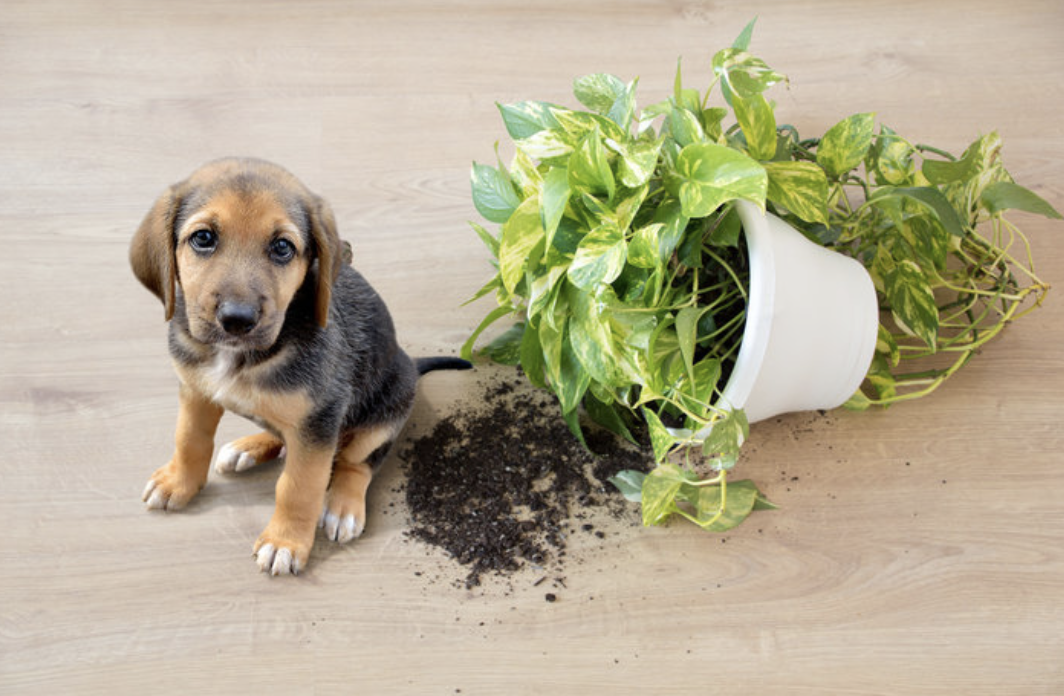
6–12 months: Adolescence (a.k.a. the teenage phase)
Your puppy may suddenly act like they forgot everything.
Milestones to aim for:
- Practicing cues in new environments
- Working through distractions (dogs, people, smells)
- Continued socialization
- Impulse control: wait, place, leave it, settle
As a reminder, you may feel frustrated with some setbacks at this stage, but again staying consistent is the best route!
The “Big 5” Skills That Make Life Easier
If you focus on nothing else, prioritize these. Here’s some helpful tips to get started. You’ve got this!
- Potty training
- Crate training / calm alone time
- Recall (“come”)
- Leave it / drop it
- Settle (calm on a mat, relaxing in the home)
A Little Pup Pep Talk
Training a puppy is probably one of life’s greatest endeavors and accomplishments. It can feel like you’ve taken a million steps back and one forward. The days can feel exhausting, and yes, this is all very normal. So yes—if your puppy naps, you should probably nap too. (No judgment. Full support.) But seriously: give yourself and your puppy some grace, and celebrate the small wins. Sometimes the win is simply: they’re asleep… and your shoes are still in one piece.
Need a little backup? Happy Hound’s got you. We’re celebrating 22 years this March—supporting pups (and their people) with training, boarding, grooming, and a dog park made for the best of times. Puppy training is one of the services we offer. And our approach is a no one-size-fits-all method: we mix proven techniques to match your pup’s personality (and your goals). We’re also grateful to have been named the 2025 Silver Winner — East Bay Express, Best Training.

.png)
.png)
.png)
.png)
.png)

.png)
.png)
.png)
.png)
.png)




.png)
.png)



.png)


.jpg)

.jpg)
.avif)