.jpg)
As dog owners your dog is more than just a pet they’re your shadow, your comfort, your best buddy……basically your most favorite of all things. You probably know their every quirk, the way they tilt their head when you talk, the sound of their paws on the floor when it’s dinnertime, even how they seem to sense your moods before you do.
Our dogs are family, and when something feels off, it’s like your heart skips a beat. Maybe your furry pal has been drinking more water lately, needing to go out more often, or seems to have lost a little weight even though they’re still eating. These small changes can be easy to overlook, but they’re also some of the early signs of diabetes in dogs.
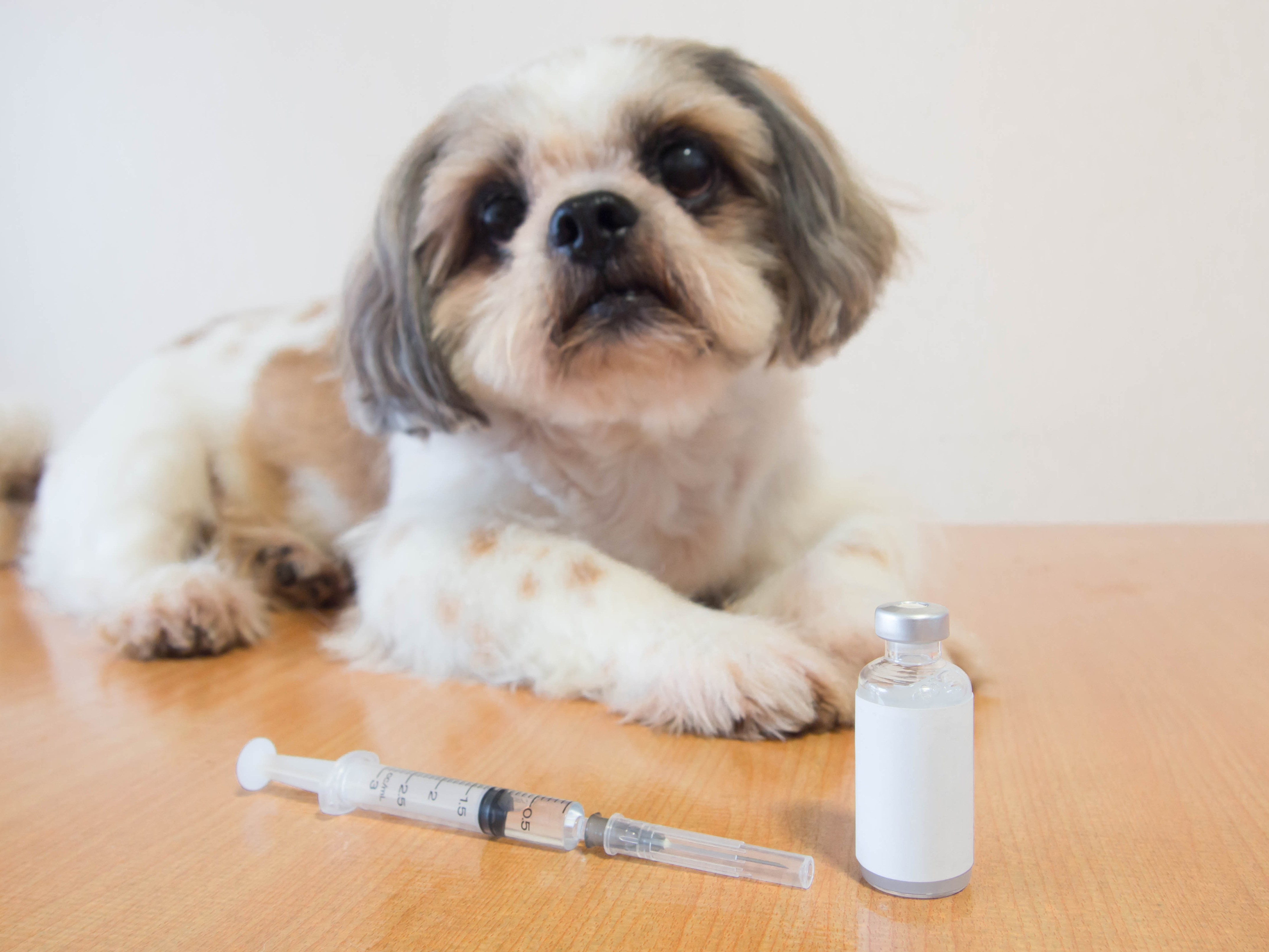
Since November is Diabetes Awareness Month for dogs, it’s the perfect time to talk about what this condition really means, how to recognize the early signs, and how you can help your dog live a long, happy, and healthy life with the right care.
Let's talk about it, since it doesn't need to feel like a scary diagnosis.
So, what is diabetes in dogs anyway?
We're about to throw some science your way. Just like in humans, diabetes happens when the body can’t properly regulate blood sugar. Most of the time, dogs develop what’s called diabetes mellitus. It means their pancreas doesn’t make enough insulin, or their body doesn’t use it properly. Insulin is what helps turn food into energy. Without it sugar builds up in the bloodstream instead of fueling the body.
2 main types of diabetes in dogs:
• Type I (Insulin-dependent diabetes): This is the most common form and means your dog’s body isn’t producing enough insulin.
• Type II (Insulin resistance): Less common in dogs but can occur, often linked to obesity or hormonal changes.

Common signs to watch for
You know your dog better than anyone, so changes in their habits are often the first clues. Things like:
• Drinking and peeing a lot more than usual
• Seeming hungrier but losing weight
• Acting tired or not wanting to play as much
• Cloudy eyes (which can signal cataracts, a common side effect of diabetes)
If you notice any of these, it’s worth a trip to your vet. Catching diabetes early can make a huge difference in how your dog feels and how well you can manage it.
Living With a Diabetic Dog
Once a routine is in place, managing a dog’s diabetes quickly becomes part of everyday life. Most dogs adjust easily, and with the right care, they can stay active, happy, and full of energy.
.jpg)
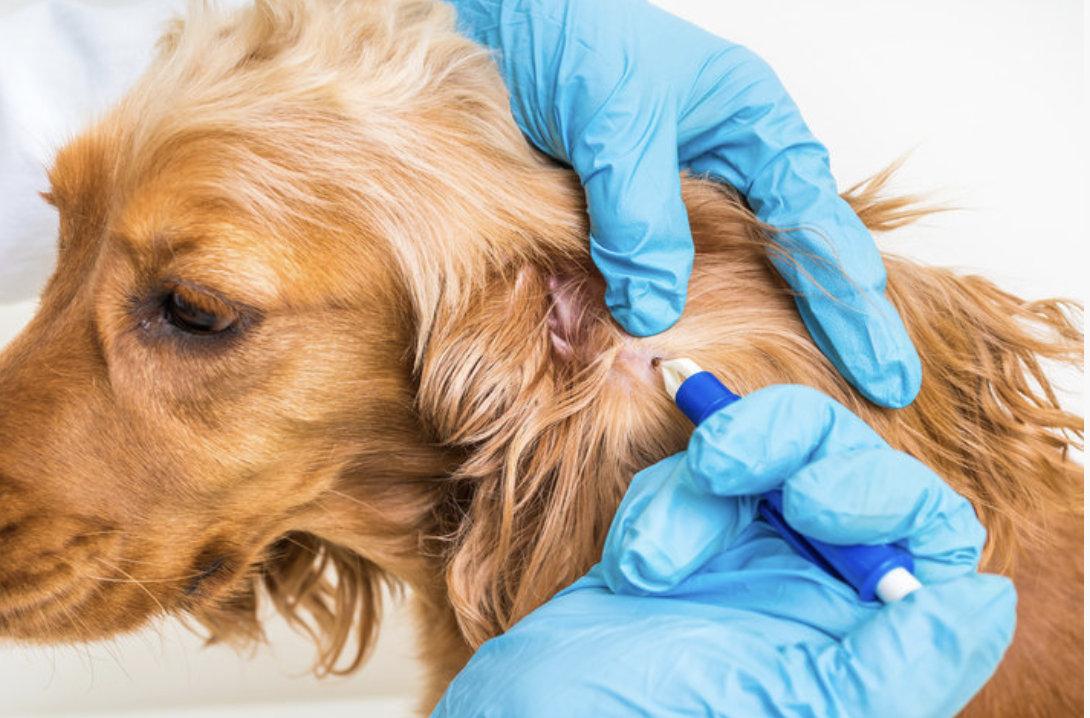
Insulin injections are a key part of treatment. They help regulate your dog’s blood sugar by giving the body the insulin it can’t produce on its own. The shots are small and given just under the skin, usually twice a day after meals. Many dogs barely notice them, especially when paired with a treat or even some extra love.
A few simple habits can make a big difference:
• Consistent meals and feeding times help keep blood sugar stable
• Daily walks or light exercise support healthy glucose levels
• Regular vet checkups help track progress and fine-tune insulin doses
• A diabetic-friendly diet designed by your vet supports stable energy and weight
When you establish a steady rhythm of feeding, movement, and medication, your dog begins to thrive again. The structure not only keeps them healthy but also deepens your connection because every bit of care you give reminds them, they’re safe and loved.
On A Positive Note:
Dogs with diabetes can live long, happy lives. They don’t worry about their diagnosis, they just look forward to the next hug, walk, or snack. What matters most is consistency, patience, and that same unconditional love you’ve always had for them.
If you’re starting this journey, know that you’re not alone. Every day gets easier, and your bond with your dog grows stronger because of the care you give.





.png)
.png)
.png)
.png)
.png)







.png)
.png)




.png)

.png)









.png)






.avif)