
If only our dogs could talk - oh, the things they would say! But dogs are communicating with us all the time. They use their eyes, ears, posture, movements, sounds, and even the way they cuddle to tell us something.
Sometimes, though, their behavior can leave us scratching our heads. Why does my dog suddenly look “guilty”? Why does my furry friend tilt their head when I talk? And why on earth are they circling three times before lying down?
Our dogs have plenty of quirky behaviors that seem mysterious until we look at what science actually tells us. Let's break down five common ones and separate the facts from the theories.
1. The “Guilty Look”—Is Your Dog Really Sorry?

You come home to a chewed-up shoe, and there’s your favorite Fido: ears back, eyes squinty, tail low. He looks guilty. Case closed, right?
The myth: Dogs feel shame or remorse for what they did, and that's what we're seeing.
The fact: Research suggests that the “guilty look” isn't necessarily an admission of wrongdoing.
In a well-known study by researcher Alexandra Horowitz, dogs displayed more of the behaviors owners interpreted as a guilty look when their owners were acting upset—even when the dogs hadn't actually eaten the forbidden treat. The behavior appeared to be more closely related to the owner's behavior than to whether the dog had actually broken a rule.
Dogs are highly attuned to our body language, facial expressions, and tone of voice. When your dog sees that you're upset, those lowered ears, averted eyes, lowered body, or tucked tail may be an attempt to respond to the tension and avoid conflict. Basically they can feel our vibe.
Bottom line: That “guilty” look is more likely to mean “You seem upset, and I want this to stop” than “I know exactly what I did wrong.”
2. Head Tilting—More Than Just Cute
There's nothing like a head tilt to melt your heart, as they stare at you with those puppy dog eyes! But what's actually happening when your dog cocks their head to one side while you're talking?
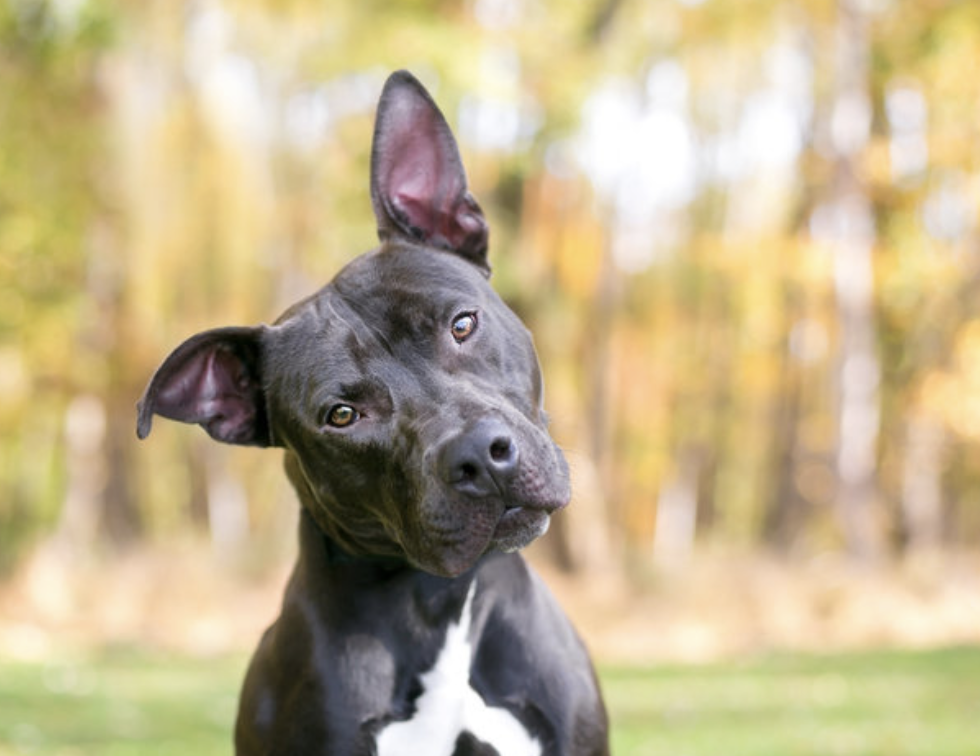
The myth: Dogs tilt their heads purely because they think it's charming or because they know we'll reward them with attention.
The fact: Scientists still don't have one definitive answer for why dogs tilt their heads. Research suggests the behavior may be connected to attention, processing sounds, or trying to make sense of meaningful words.
One study found that some dogs tilted their heads more frequently when they heard words they were familiar with, suggesting that the behavior may be associated with concentrating on or processing information.
There are also theories involving how dogs use their ears and vision to gather information, but these remain theories rather than proven explanations.
Bottom line: A head tilt probably means your dog is paying attention, but exactly why they do it isn't fully understood. And honestly, that may make it even more fascinating.
3. Eating Grass—Sick Dog or Just a Snack?
Grass-eating is one of the most common “Should I worry?” behaviors dog owners ask about.
The myth: Dogs only eat grass because they're nauseous or trying to make themselves vomit.
The fact: Research suggests that most dogs who eat grass aren't sick beforehand, and most don't vomit afterward. In one study of more than 1,500 dogs, plant eating was common, while relatively few dogs appeared ill beforehand or regularly vomited afterward.
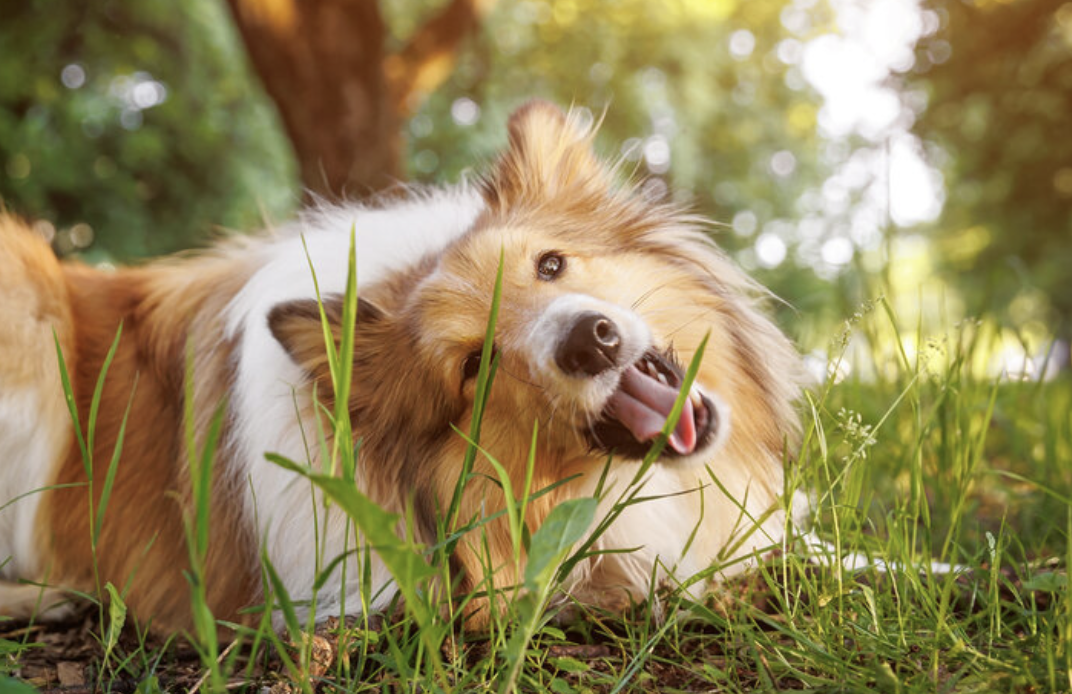
So why do they do it? We don't have a definitive answer. Dogs may simply enjoy eating plants, and the behavior may be a normal part of their foraging instincts. It may also be a behavior retained from their wild ancestors, although its exact purpose remains uncertain.
Occasional grass grazing is generally not a reason to panic. However, if your dog is frequently eating grass along with vomiting, diarrhea, lethargy, loss of appetite, or other changes in behavior, it's worth checking in with your veterinarian.
Bottom line: Grass alone usually isn't a red flag. But grass-eating combined with other signs of illness deserves a closer look.
4. Tail Wags—Not All Wags Are Created Equal
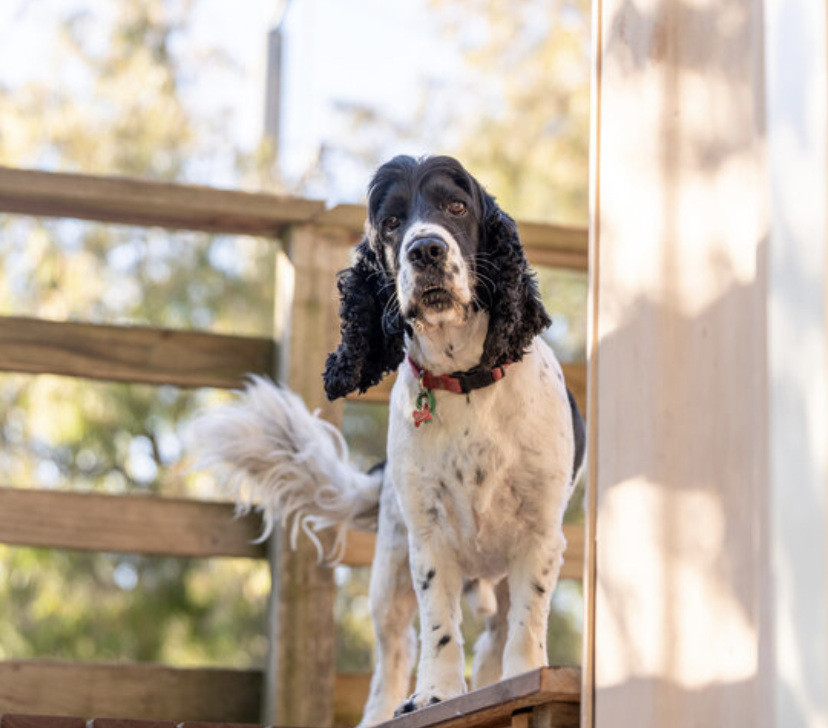
Not necessarily true.
The myth: A wagging tail always means a dog is happy, friendly, or ready to say hello.
The fact: Tail wagging is a form of communication, and the meaning depends on the entire situation. Speed, stiffness, height, and the movement of the rest of the body can all provide clues.
Research has also found that dogs can show differences in the direction of their tail wag depending on the emotional stimulus they're experiencing. This suggests that tail movement may communicate information to other dogs, but it's too simplistic to treat every right wag as “happy” and every left wag as “anxious.”
Instead, look at the whole dog.
A loose body, relaxed face, soft eyes, and big, sweeping tail movement are very different from a stiff body with a high, rigid tail and a short, tense wag.
Bottom line: Don't read the tail in isolation. A wagging tail means your dog is communicating—but context tells you what that communication might mean.
5. Circling Before Lying Down—Why the Pre-Bedtime Ritual?
Ever notice your furry friend doing a few laps or sometimes a whole routine before finally flopping down?
The myth: It's completely random, or your dog is simply being extra.
The fact: We don't know exactly why dogs circle before lying down, but there is evidence that the behavior may be connected to creating a comfortable resting spot.
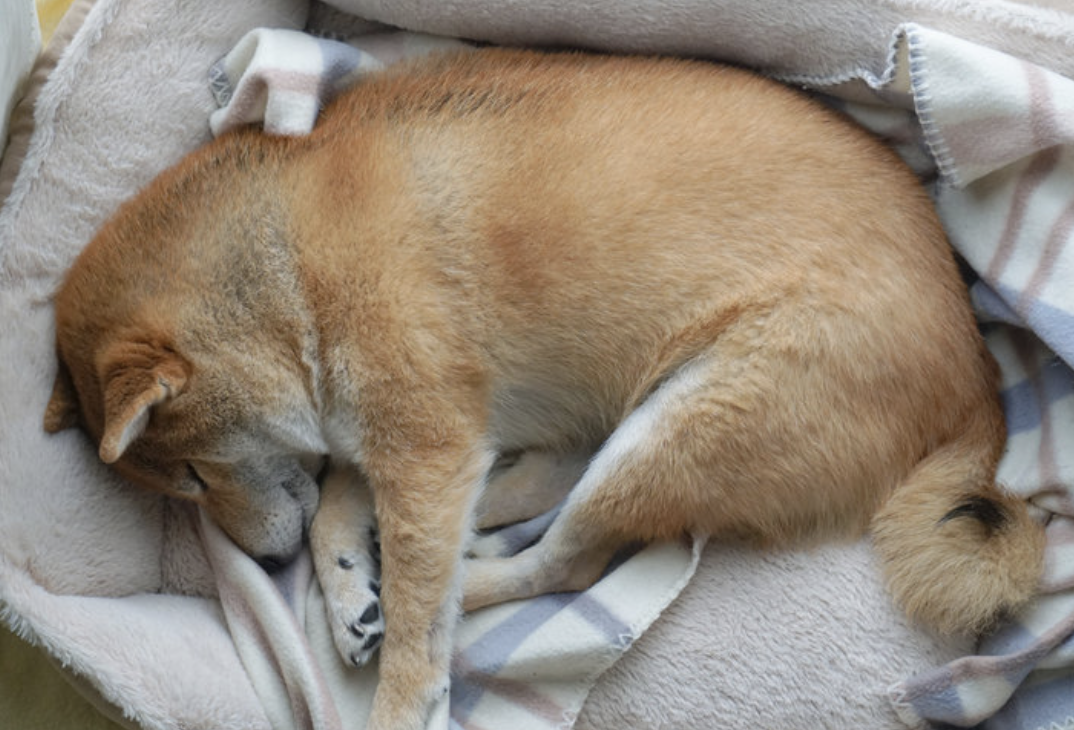
A recent experimental test found that dogs were much more likely to circle before lying down on an uneven surface than on a smooth one. That supports the idea that circling may help dogs prepare their resting area or find a comfortable position.
There's also a long-standing theory that circling may be connected to ancestral nesting behavior. Where they used similar movements to prepare vegetation or check their surroundings before settling down.
However, explanations such as dogs specifically circling to check for predators or dangerous insects are theories, not established facts.
So when your dog circles on their perfectly cushioned bed before lying down, they may simply be following an old behavioral pattern that helps them settle.
Bottom line: Your dog's bedtime circling isn't necessarily meaningless. It may be part comfort-seeking, part instinct, and part ancient canine habit.
So, What Is Your Dog Actually Trying to Tell You?
Our dogs are communicating with us constantly, but that doesn't mean every behavior has a simple translation. Our dogs are complex, just like us!
A lowered head doesn't necessarily mean “I'm sorry.” A wagging tail doesn't automatically mean “I'm happy.” And that adorable head tilt? We still don't completely understand it.
The more we learn about dog behavior, the better we become at looking beyond the obvious and paying attention to the whole dog and the context. Because at the end of the day, we know our own dogs best. But it’s fun to wonder what all those little quirks might mean.
And let’s face it, we humans have plenty of quirks our dogs probably don’t understand either, which, when you think about it, is kind of fun. Maybe they’re just as curious about us as we are about them!

.png)
.png)
.png)
.png)
.png)


.png)
.png)
.png)
.png)
.png)










.png)
.png)




.png)

.png)









.png)




.jpg)


.jpg)
.avif)