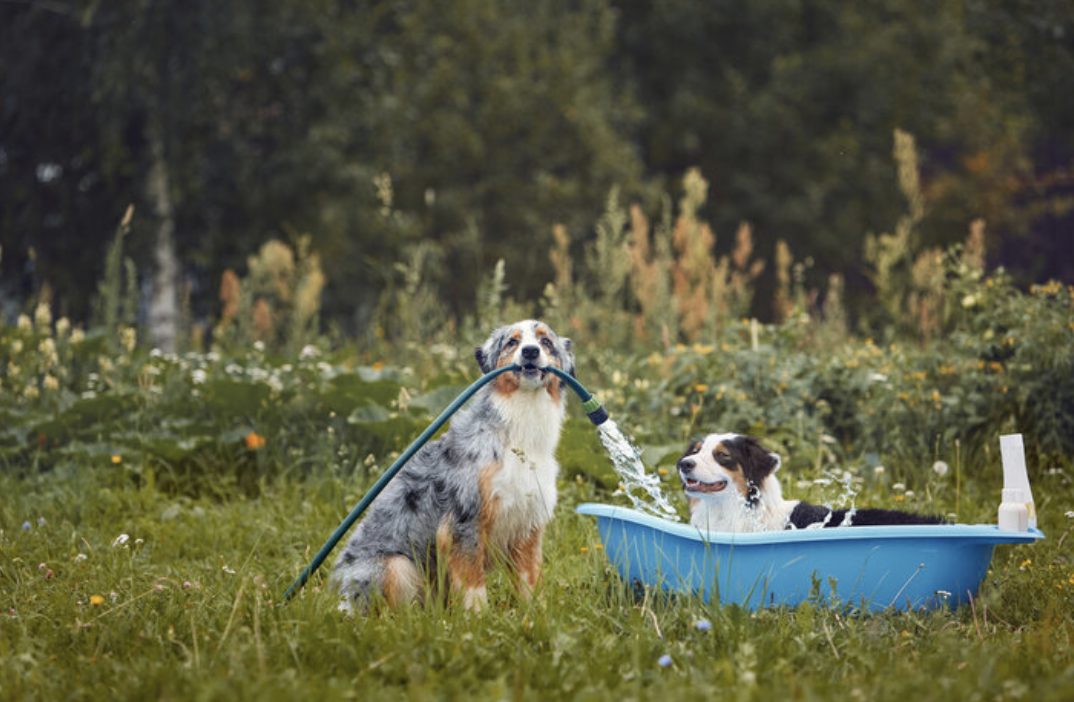
Some dogs see water and launch themselves in without a second thought. While on the other spectrum there are dogs who would prefer to not makes waves or dip one single toe into the water.
As a dog owner, you may love spending summer days by the pool, at the beach, strolling along a river, or enjoying life at the lake. Whether your dog is obsessed with swimming or would rather keep all four paws firmly on dry land, water skills are worth teaching. While safety is an obvious reason, water can also provide incredible opportunities for fun, exercise, enrichment, and confidence-building. Like any activity, though, it should be approached thoughtfully and with your dog's individual comfort level in mind.
The truth is that both water-loving dogs and water-avoiding dogs can run into challenges.
Our topic today covers both sides of the coin: helping water-shy dogs build a little love for water, and helping water-obsessed dogs develop self-control. Because as it turns out, the training foundation for both is exactly the same.
Swimming Is a Valuable Life Skill
Not every dog needs to become a dock-diving champion. But every dog can benefit from being comfortable around water.
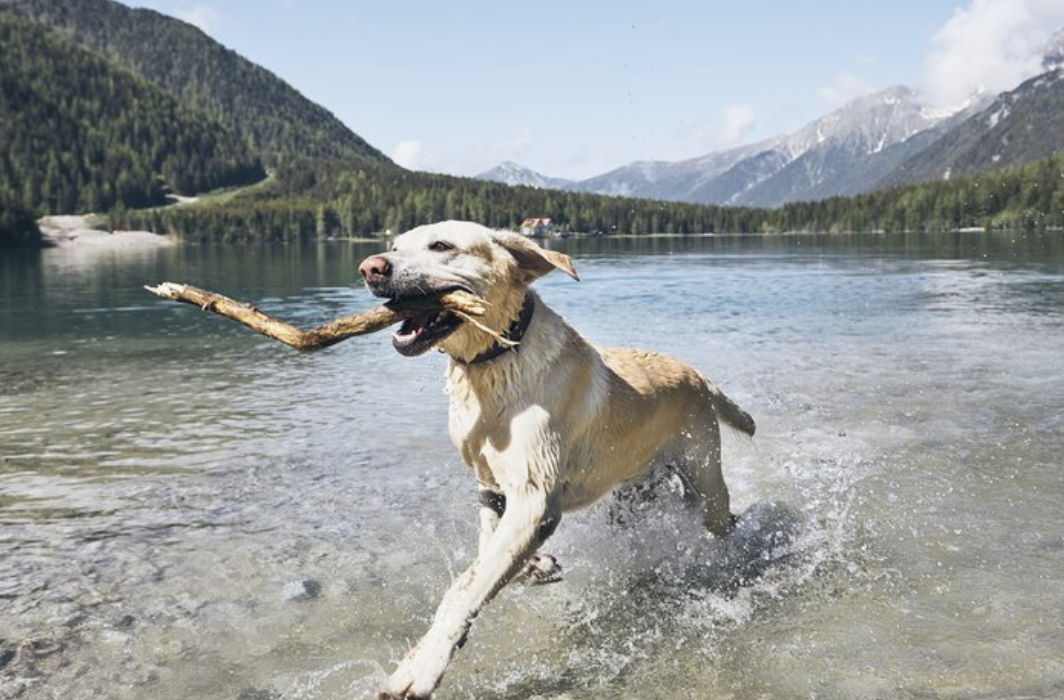
Life happens. Your furry friend at some point will be part of experiences and adventures that include:
- Boats
- Docks
- Beaches
- Streams
- Lakes
- Pools
- Flooded areas
- Bathing and grooming situations
A dog who has positive experiences with water is often more adaptable and confident when unexpected situations arise.
Helping a hesitant dog become comfortable with water isn't about forcing them to swim. It's about teaching them that water isn't something to fear. The can coexist with water and be ok!
Why the Same Foundation Works for Both
It might seem strange that a dog who can't wait to dive in and a dog who won't go near the water benefit from the same training approach. But both situations come down to the same core skill: teaching your dog to make good decisions around water, instead of letting their little emotions take over.
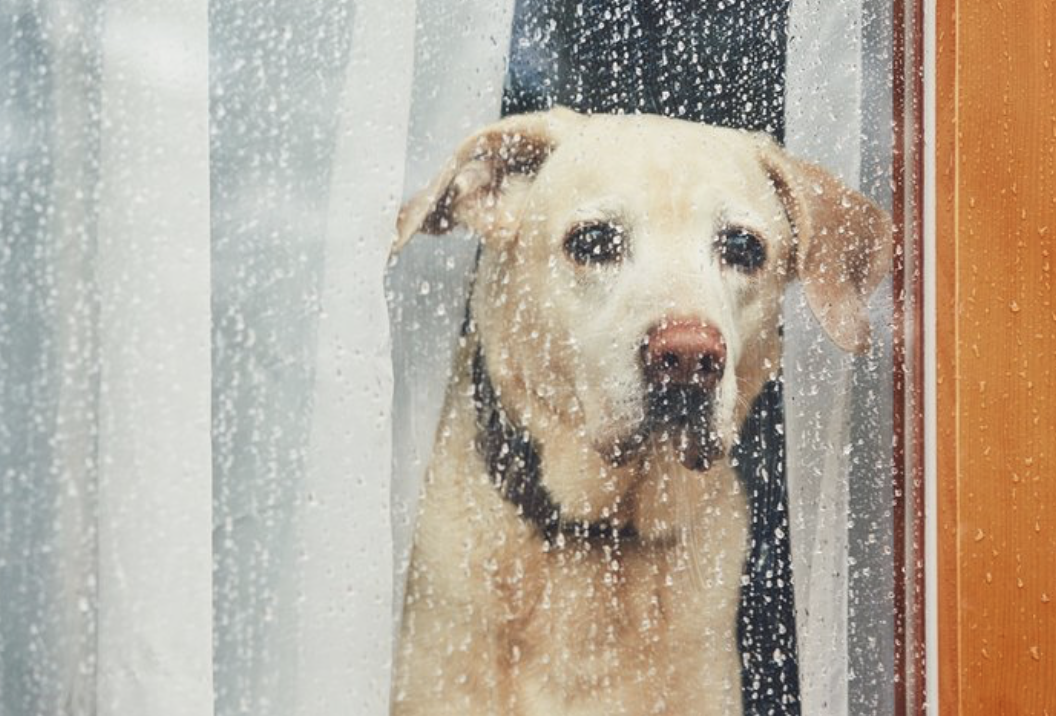
For the water-loving dog, that emotion is excitement. Left unchecked, it can turn into jumping the gun, ignoring cues, or making unsafe choices near pools, lakes, or docks. For the water-shy dog, the emotion is fear or uncertainty and without the right support, that can turn into avoidance that never resolves on its own.
In both cases, the goal isn't to suppress how the dog feels about water. It's to give them the tools to navigate that feeling calmly and confidently.
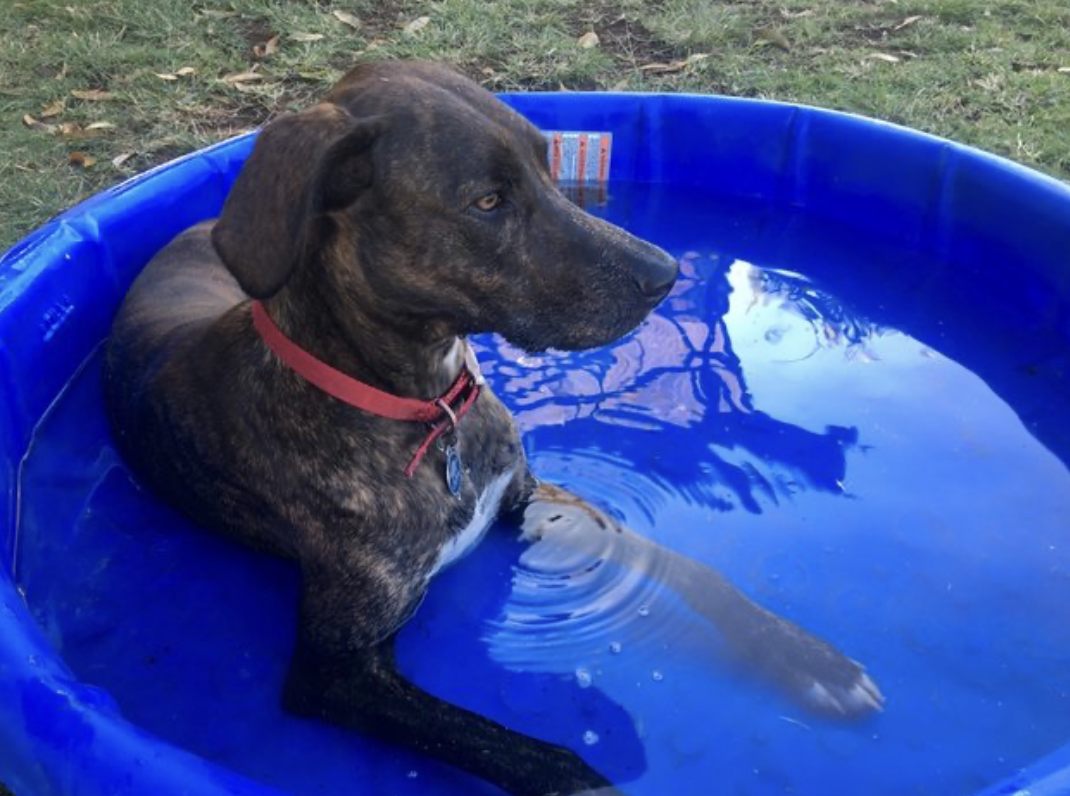
The First Step for Both? An Empty Kiddie Pool!
Yes, both training paths start in the same place: an empty kiddie pool. There's no water yet, no stakes, no pressure. This lets you build a relationship with the pool itself before water enters the picture at all.
- For the water-loving dog, this is where you start layering in cues like sit and down at the edge — long before there's anything exciting to resist.
- For the water-shy dog, this is where you let curiosity lead. No coaxing, no luring into the pool, just letting them sniff, investigate, and decide for themselves that the pool is safe.
From there, water gets added gradually and the pace is dictated by the dog's needs. Confident dogs get water added with cue practice baked in. Nervous dogs get water added in barely-there increments, with the dog setting the speed of every step.
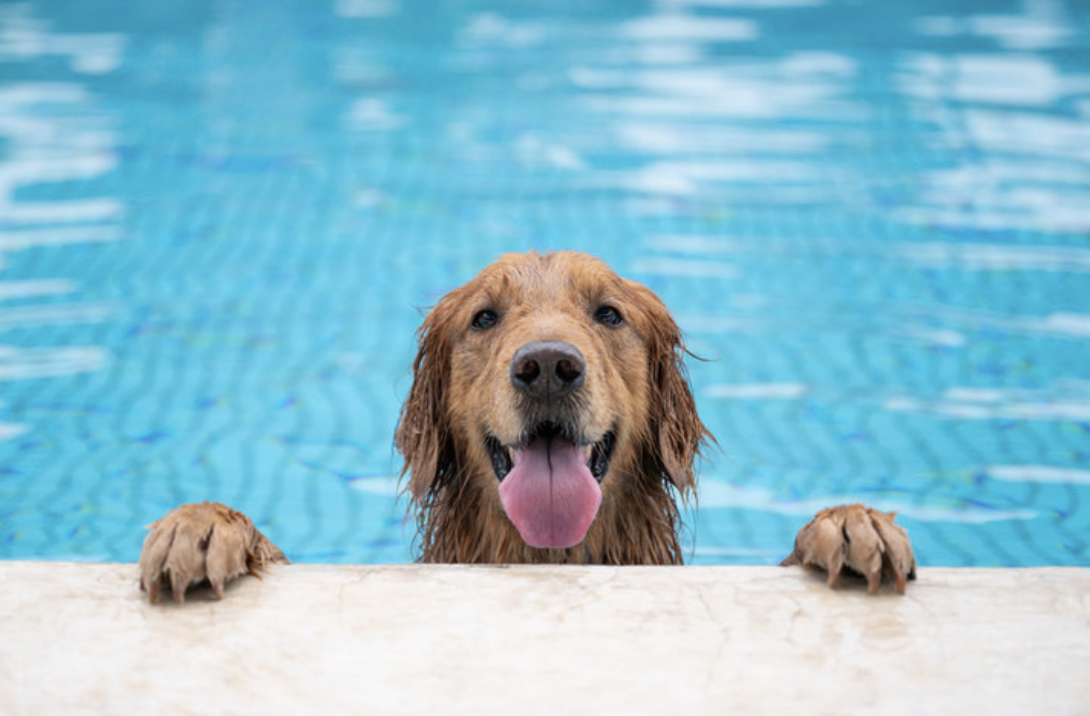
Reading the Signs
Progress doesn't always look dramatic, and that's a good thing. For the water-loving dog, real progress looks like calm waiting at the edge and checking in with you before entering - not just charging in faster than before. For the water-shy dog, progress looks like voluntary curiosity: walking up to the pool on their own, or putting a paw in without flinching.
It's just as important to recognize when you've pushed too hard. A water-loving dog who breaks a stay early or bolts at the sight of water has lost some impulse control along the way. A water-shy dog who shuts down, shows whale eye, or tries to flee has hit a wall of pressure that needs to be backed away from immediately.
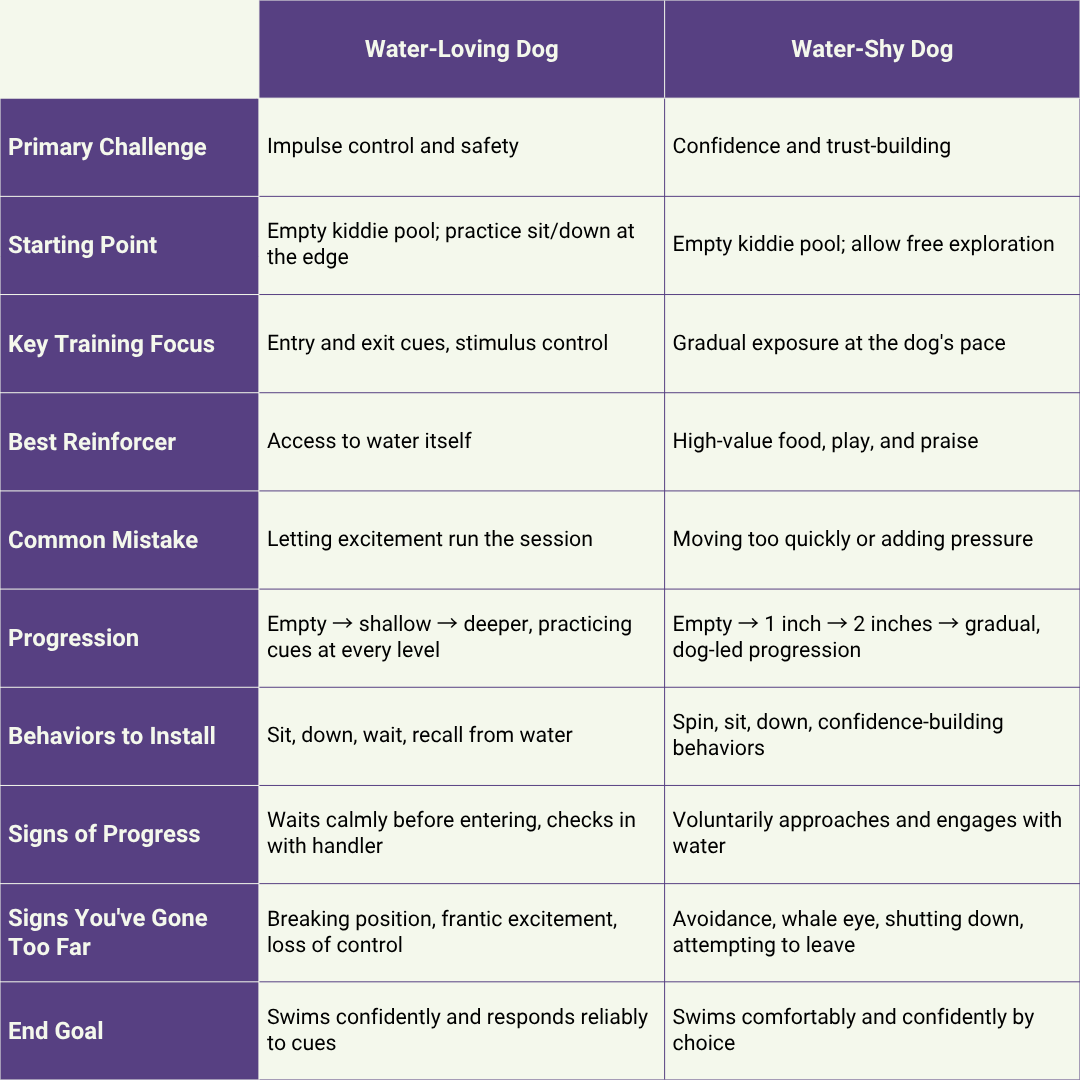
The Full Breakdown: Water-Loving vs. Water-Shy Dogs
Here's the whole approach side by side, for a quick reference:
The End Goal Is the Same: A Dog Who Feels Good in the Water
Whether you're reining in enthusiasm or building it from scratch, the destination looks remarkably similar: a dog who swims because they want to and a dog who trusts you enough to come out when it's time to be done.
Water skills aren't just about safety, though that matters in a big way. They're about giving your dog a richer, more confident relationship with the world around them - one paw, or one furry cannonball, at a time.
Summer safety is always top of mind at Happy Hound, as we soak up all the goodness of the summer and are out and about with our favorite furry bestie it’s always good to keep these safety tips in mind.







.png)
.png)
.png)
.png)
.png)






.png)
.png)







.png)

.png)










.png)




.jpg)


.jpg)


.avif)