.png)
A Dog Parent's Complete Guide to Lyme Disease
When the sun is shining and the skies are blue, one of our first priorities is to get outdoors. There’s nothing better than taking our furry adventure companion out into the wonders of nature and all it has to offer, whether it's a walk in the park or a new hike. Is there anything better than watching your pet pal race through the woods, sniff every blade of grass, and soak up the great, open space of the outdoors? But hidden in those leafy trails and tall grasses is one tiny, annoying pest that can cause some big problems: ticks.
Let’s take a moment to learn about Lyme disease, so you and your adventure-loving pup can stay safe while exploring all the beauty Mother Nature has to offer. After all, fresh air is good for the soul, and we certainly won't let one tiny tick stand in the way of your next outing.
.png)
How Dogs Get Lyme Disease
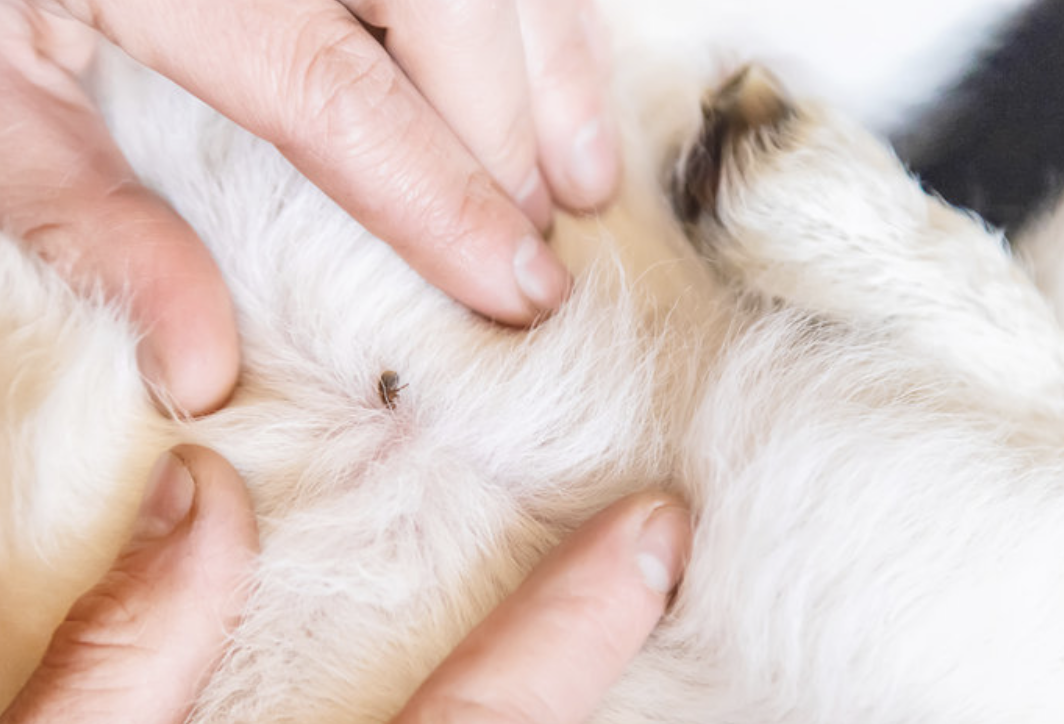
Lyme disease is spread through the bite of an infected blacklegged tick, often called a deer tick. These little hitchhikers are incredibly small, sometimes no bigger than a poppy seed (so small!), making them easy to miss, even on a short-haired dog.
The bacteria responsible for Lyme disease, Borrelia burgdorferi, usually require a tick to be attached for 36 to 48 hours before transmission occurs.
That means regular tick checks can make a huge difference. You can catch them before it gets too serious.
Deer ticks are especially common in the Northeast, Upper Midwest, and along the Pacific Coast, but their range continues to grow. If your dog loves wooded trails, grassy parks, or even your own backyard, they're potentially at risk.

Signs Your Dog May Have Lyme Disease
Lyme disease can be sneaky. Many dogs exposed to Lyme never develop symptoms, while others may not show signs for months after a tick bite.
Keep an eye out for:
- Limping or lameness that seems to shift from one leg to another
- Swollen or painful joints
- Unusual tiredness or low energy
- Loss of appetite
- Fever
- In severe cases, increased thirst, vomiting, or changes in urination
Unlike people, dogs rarely develop the classic bull's-eye rash. If your pup seems stiff, sore, or simply "off," it's worth a call to your veterinarian.
How Veterinarians Diagnose and Treat Lyme Disease
Your veterinarian can usually screen for Lyme disease with a simple blood test, often during routine wellness visits. These tests frequently check for several tick-borne illnesses at once.
If treatment is needed, doxycycline is typically very effective. Most dogs start feeling much better within a day or two, though the full course usually lasts about four weeks.
Early treatment leads to the best outcomes, so if you suspect something is wrong, it’s best to double-check and make a call to your vet.
The Best Protection: Prevention
When it comes to Lyme disease, prevention can be everything. A few simple habits can dramatically reduce your dog's risk.
Use Tick Prevention Year-Round
Talk with your veterinarian about the best option for your dog, whether that's a topical treatment, an oral chew, or a tick collar. Especially if you live in high tick areas or spend most of your time hitting the trails!
Check Your Dog After Your Outdoor Fun
Run your hands through their coat after hikes, walks, or backyard playtime. Pay special attention to:
- Ears
- Between the toes
- Around the collar
- Under the legs
- The groin area
Ticks love cozy hiding spots and can be very sneaky.
Remove Ticks Quickly
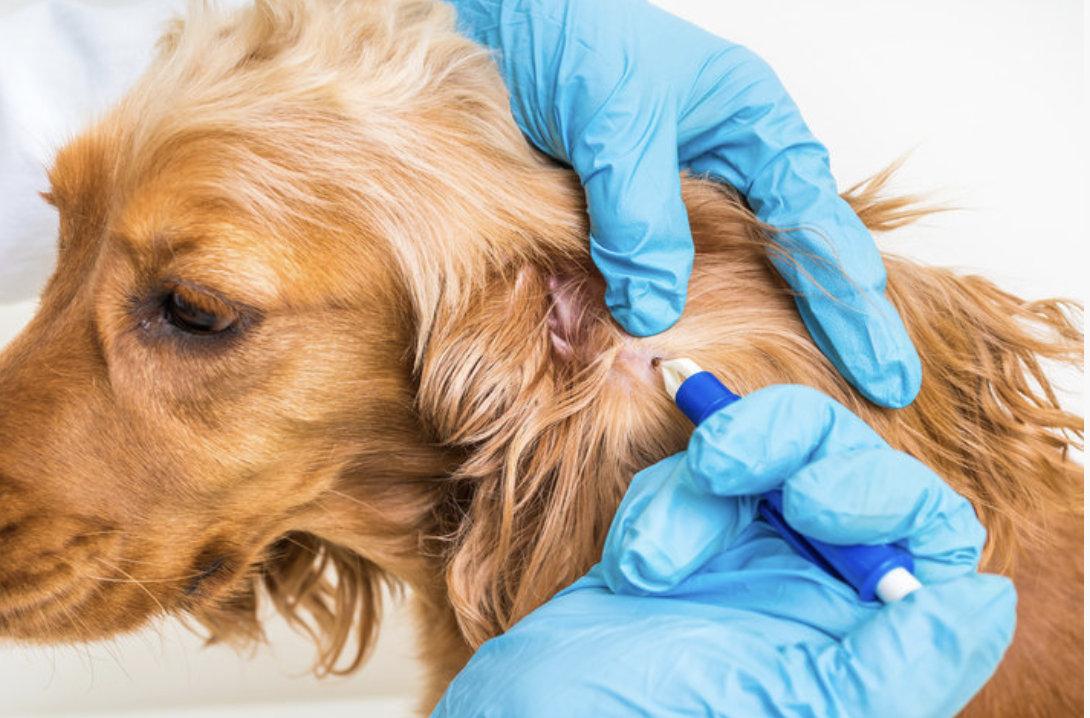
If you find one, use fine-tipped tweezers or a tick removal tool. Grab the tick close to the skin and pull straight out with steady pressure.
Consider the Lyme Vaccine
For dogs living in high-risk areas, your veterinarian may recommend the Lyme vaccine as an extra layer of protection.
Keep Your Yard Tick-Unfriendly
Regular mowing, clearing brush, and removing leaf litter can make your outdoor space much less appealing to ticks.
Schedule Annual Testing
Even dogs on excellent prevention plans benefit from yearly tick-borne disease screening.
Can You Catch Lyme Disease from Your Dog?
Not directly. Your dog can't pass Lyme disease to you through cuddles, kisses, or sharing the couch.
However, ticks can hitch a ride indoors on your pet. That's why tick prevention helps protect your entire family, not just your four-legged friend.
Ticks may be tiny, but the problems they cause can add up to a bigger deal, which is no fun. Fortunately, a proactive approach goes a long way.
With regular prevention, routine tick checks, and prompt veterinary care, your furry companion can keep enjoying all their favorite outdoor adventures—safely. Because every hike, romp, and muddy paw print is better when your best friend is healthy and happy.










.png)
.png)
.png)
.png)
.png)




















.png)

.png)













.png)





.jpg)


.jpg)





.avif)