

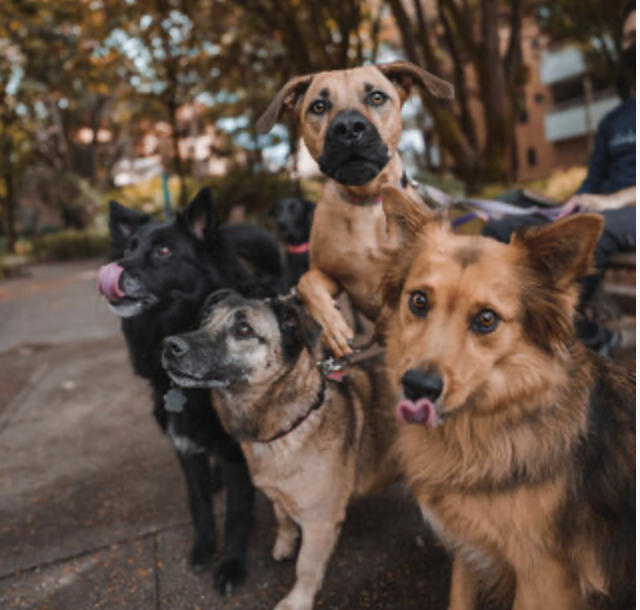

If only our dogs could talk - oh, the things they would say! But dogs are communicating with us all the time. They use their eyes, ears, posture, movements, sounds, and even the way they cuddle to tell us something.
Sometimes, though, their behavior can leave us scratching our heads. Why does my dog suddenly look “guilty”? Why does my furry friend tilt their head when I talk? And why on earth are they circling three times before lying down?
Our dogs have plenty of quirky behaviors that seem mysterious until we look at what science actually tells us. Let's break down five common ones and separate the facts from the theories.
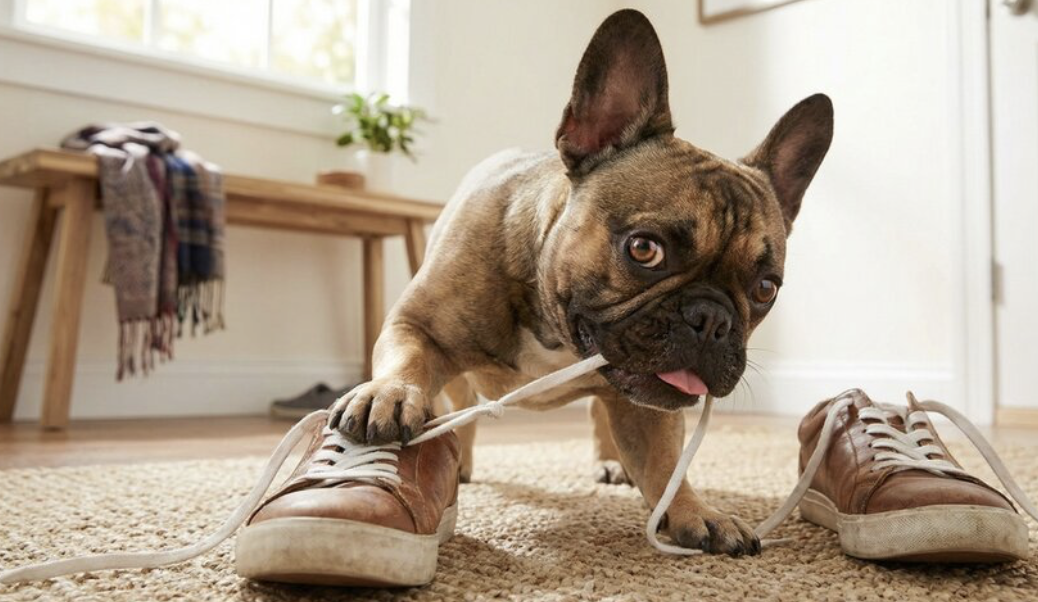
You come home to a chewed-up shoe, and there’s your favorite Fido: ears back, eyes squinty, tail low. He looks guilty. Case closed, right?
The myth: Dogs feel shame or remorse for what they did, and that's what we're seeing.
The fact: Research suggests that the “guilty look” isn't necessarily an admission of wrongdoing.
In a well-known study by researcher Alexandra Horowitz, dogs displayed more of the behaviors owners interpreted as a guilty look when their owners were acting upset—even when the dogs hadn't actually eaten the forbidden treat. The behavior appeared to be more closely related to the owner's behavior than to whether the dog had actually broken a rule.
Dogs are highly attuned to our body language, facial expressions, and tone of voice. When your dog sees that you're upset, those lowered ears, averted eyes, lowered body, or tucked tail may be an attempt to respond to the tension and avoid conflict. Basically they can feel our vibe.
Bottom line: That “guilty” look is more likely to mean “You seem upset, and I want this to stop” than “I know exactly what I did wrong.”
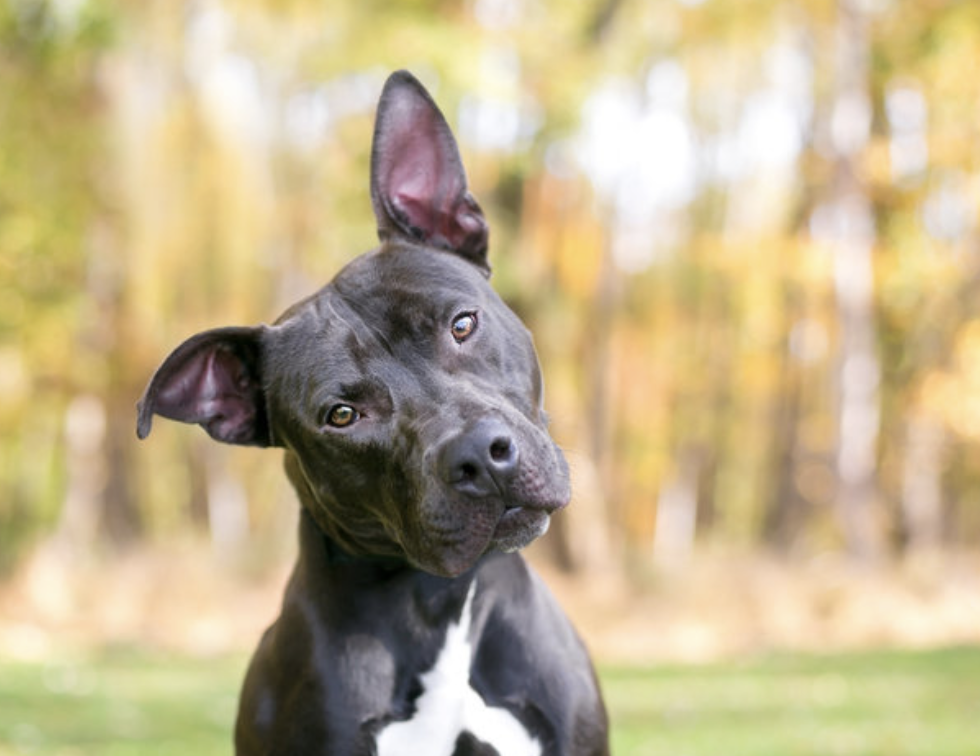
There's nothing like a head tilt to melt your heart, as they stare at you with those puppy dog eyes! But what's actually happening when your dog cocks their head to one side while you're talking?
The myth: Dogs tilt their heads purely because they think it's charming or because they know we'll reward them with attention.
The fact: Scientists still don't have one definitive answer for why dogs tilt their heads. Research suggests the behavior may be connected to attention, processing sounds, or trying to make sense of meaningful words.
One study found that some dogs tilted their heads more frequently when they heard words they were familiar with, suggesting that the behavior may be associated with concentrating on or processing information.
There are also theories involving how dogs use their ears and vision to gather information, but these remain theories rather than proven explanations.
Bottom line: A head tilt probably means your dog is paying attention, but exactly why they do it isn't fully understood. And honestly, that may make it even more fascinating.
Grass-eating is one of the most common “Should I worry?” behaviors dog owners ask about.
The myth: Dogs only eat grass because they're nauseous or trying to make themselves vomit.
The fact: Research suggests that most dogs who eat grass aren't sick beforehand, and most don't vomit afterward. In one study of more than 1,500 dogs, plant eating was common, while relatively few dogs appeared ill beforehand or regularly vomited afterward.
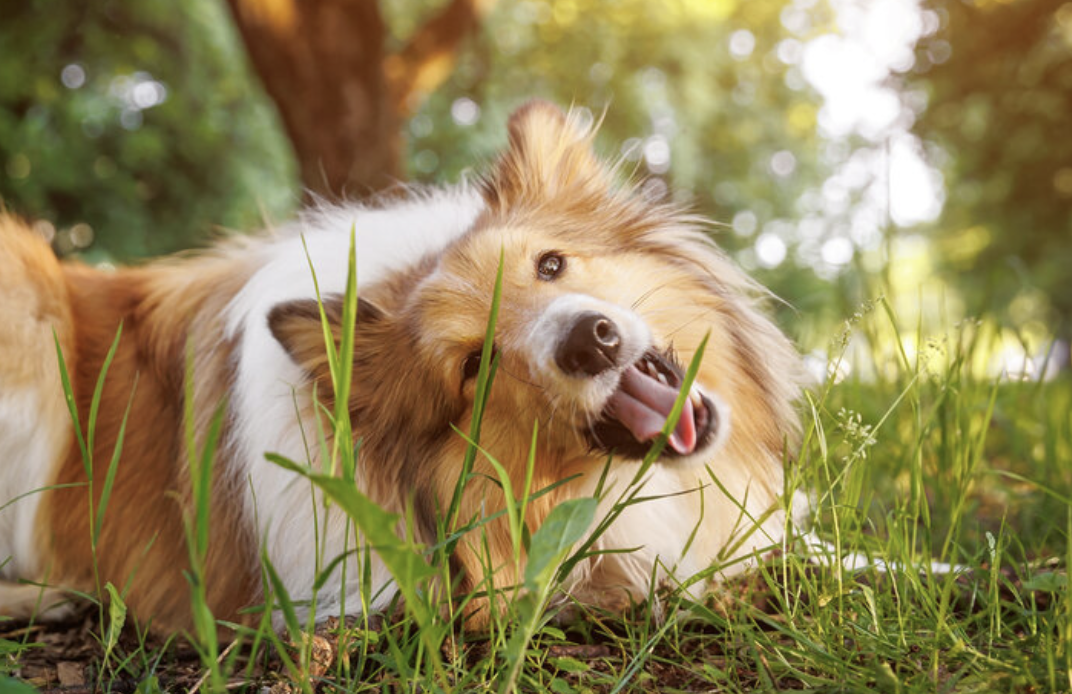
So why do they do it? We don't have a definitive answer. Dogs may simply enjoy eating plants, and the behavior may be a normal part of their foraging instincts. It may also be a behavior retained from their wild ancestors, although its exact purpose remains uncertain.
Occasional grass grazing is generally not a reason to panic. However, if your dog is frequently eating grass along with vomiting, diarrhea, lethargy, loss of appetite, or other changes in behavior, it's worth checking in with your veterinarian.
Bottom line: Grass alone usually isn't a red flag. But grass-eating combined with other signs of illness deserves a closer look.
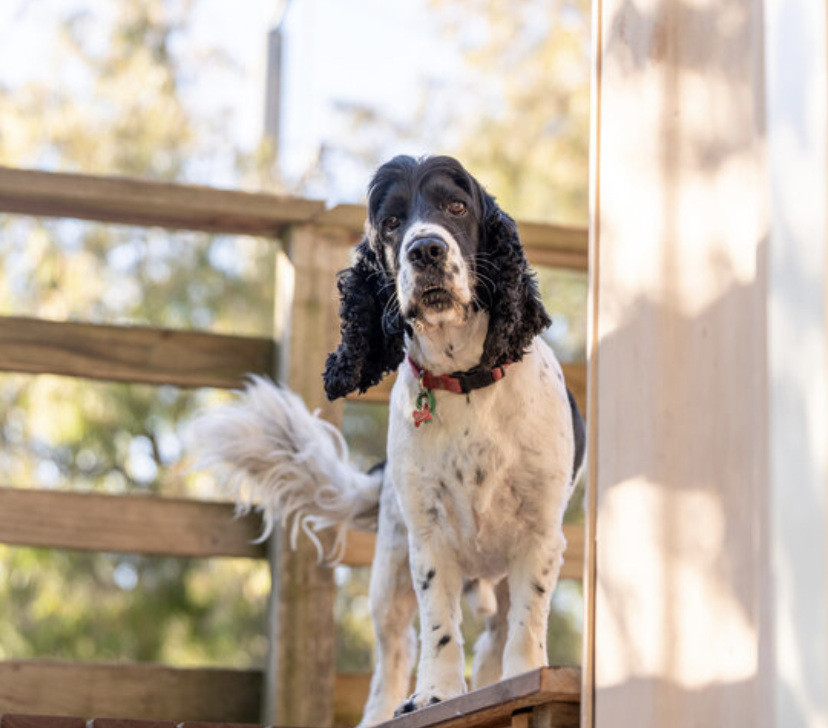
Not necessarily true.
The myth: A wagging tail always means a dog is happy, friendly, or ready to say hello.
The fact: Tail wagging is a form of communication, and the meaning depends on the entire situation. Speed, stiffness, height, and the movement of the rest of the body can all provide clues.
Research has also found that dogs can show differences in the direction of their tail wag depending on the emotional stimulus they're experiencing. This suggests that tail movement may communicate information to other dogs, but it's too simplistic to treat every right wag as “happy” and every left wag as “anxious.”
Instead, look at the whole dog.
A loose body, relaxed face, soft eyes, and big, sweeping tail movement are very different from a stiff body with a high, rigid tail and a short, tense wag.
Bottom line: Don't read the tail in isolation. A wagging tail means your dog is communicating—but context tells you what that communication might mean.
Ever notice your furry friend doing a few laps or sometimes a whole routine before finally flopping down?
The myth: It's completely random, or your dog is simply being extra.
The fact: We don't know exactly why dogs circle before lying down, but there is evidence that the behavior may be connected to creating a comfortable resting spot.
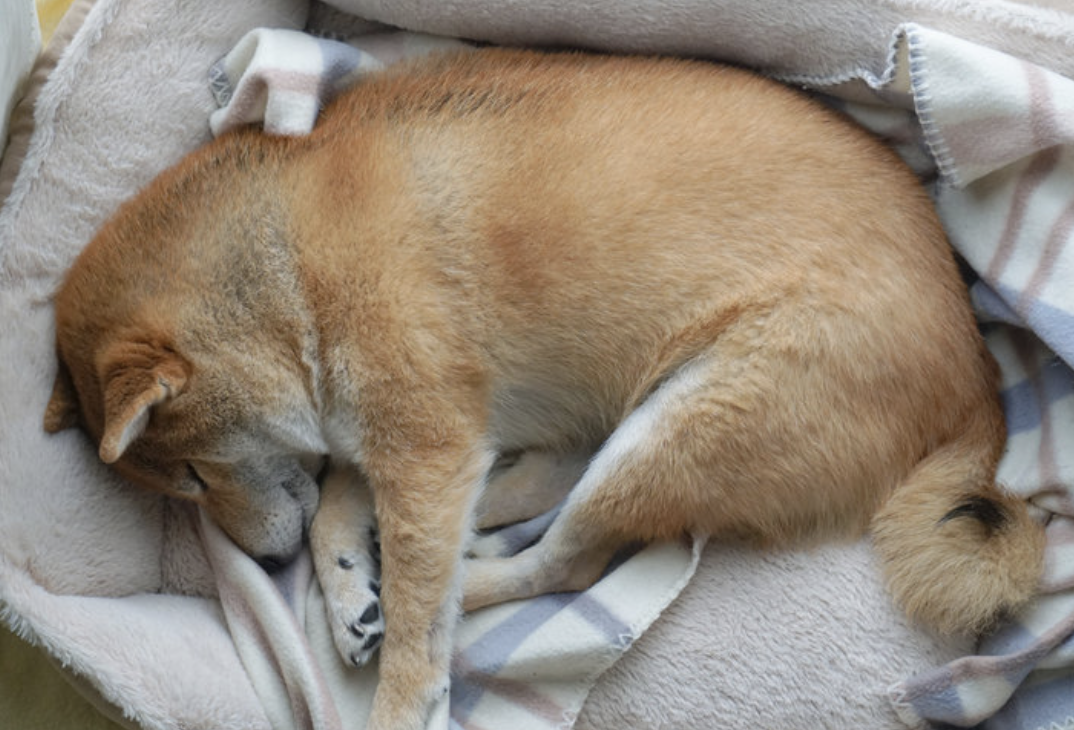
A recent experimental test found that dogs were much more likely to circle before lying down on an uneven surface than on a smooth one. That supports the idea that circling may help dogs prepare their resting area or find a comfortable position.
There's also a long-standing theory that circling may be connected to ancestral nesting behavior. Where they used similar movements to prepare vegetation or check their surroundings before settling down.
However, explanations such as dogs specifically circling to check for predators or dangerous insects are theories, not established facts.
So when your dog circles on their perfectly cushioned bed before lying down, they may simply be following an old behavioral pattern that helps them settle.
Bottom line: Your dog's bedtime circling isn't necessarily meaningless. It may be part comfort-seeking, part instinct, and part ancient canine habit.
Our dogs are communicating with us constantly, but that doesn't mean every behavior has a simple translation. Our dogs are complex, just like us!
A lowered head doesn't necessarily mean “I'm sorry.” A wagging tail doesn't automatically mean “I'm happy.” And that adorable head tilt? We still don't completely understand it.
The more we learn about dog behavior, the better we become at looking beyond the obvious and paying attention to the whole dog and the context. Because at the end of the day, we know our own dogs best. But it’s fun to wonder what all those little quirks might mean.
And let’s face it, we humans have plenty of quirks our dogs probably don’t understand either, which, when you think about it, is kind of fun. Maybe they’re just as curious about us as we are about them!
.png)
At first glance, a foxtail doesn't seem all that threatening. It sways in the breeze, looks soft and fuzzy, and honestly resembles something you might pick on a summer walk and absentmindedly twirl between your fingers.
But looks can be deceiving.
Despite their innocent appearance, foxtails are one of the sneakiest hazards your dog can encounter outdoors. These tiny seed heads are designed by nature to travel and unfortunately, that sometimes means traveling into your favorite furry tagalong's ears, paws, nose, eyes, or skin. This unassuming little seed sends more dogs to the vet each summer than almost anything else outdoors. How? Because foxtails have one job, and they are terrifyingly good at it: burrowing forward into whatever they touch, and never, ever backing out.
We’ve got some good news though. A little awareness around foxtails can really go a long way toward keeping your dog safe, especially during outdoor adventures.
.png)
Foxtails are the seed heads of certain wild grasses that commonly grow in fields, vacant lots, hiking trails, roadsides, parks, and even some backyards. So really, they can pop up in a lot of places. They're most common from late spring through fall, especially after grasses begin drying out.
Each seed has tiny backward-facing barbs that act like miniature fishhooks. This clever design helps the seeds bury themselves into the soil for reproduction. Which is great for our earth, but not our furry friends.
Those barbs are the whole problem. They act like the teeth on a zip tie: easy to push forward, nearly impossible to pull back.
Those same barbs latch onto fur and continue moving in only one direction which is always forward. That one-way design means once a foxtail catches on your dog and starts working its way into skin, fur, or a body opening, it keeps moving deeper with every twitch, lick, or step your dog takes (ouch!). It doesn't dissolve. It doesn't stop. It just keeps burrowing until something - usually a vet with tweezers or a scope gets involved. And we all know that’s not a fun visit.
The biggest problem with foxtails is that they don't dissolve or work themselves back out.
Once embedded, they can continue migrating through tissue, leading to:
If left untreated, what starts as a tiny grass seed can become a major medical problem requiring surgery.
Foxtails aren't picky, but they do have favorite entry points:
.png)
Because they can enter through so many different points and keep traveling once they're in, a foxtail that starts in a paw can, in rare and serious cases, end up causing internal complications far from where it entered. That's not meant to send you into a panic spiral; it's just why vets take foxtails so seriously even when they seem minor at first.
Here's the tricky part: foxtails don't always announce themselves. Sometimes it's obvious and your dog is suddenly shaking their head like they're trying to fling it off their shoulders, or frantically pawing at their face. Other times, the signs are subtler: a little extra licking at one paw, a small area of swelling, occasional sneezing.
The longer a foxtail sits undetected, the deeper it travels and the harder (and more expensive) it becomes to remove. What starts as a quick in-office extraction can turn into sedation, imaging, or even surgery if it's missed for too long.
The easiest foxtail to remove is the one that never gets attached in the first place.
Here are a few simple habits that can make a big difference:
Avoid letting your dog romp through tall, dry grasses whenever possible, especially during foxtail season.
Keeping your dog on marked paths and on leash when appropriate, reduces the chance they'll disappear into dense vegetation.
After every hike or walk, run your hands over your dog's body.
Pay special attention to:
Think of it as giving your dog a quick spa inspection before heading inside.
Regular grooming, especially around the paws, ears, and rear end, makes it easier to spot hitchhiking foxtails before they become a problem.
.png)
Sometimes.
If a foxtail is clearly sitting on the surface of the coat or barely caught in the fur, you can usually remove it carefully with your fingers or tweezers.
However, don't dig, probe, or squeeze if the foxtail has already entered the skin.
If it's:
it's time to let your veterinarian handle it. Attempting to remove an embedded foxtail yourself can push it deeper or leave fragments behind.
If you notice your dog suddenly shaking their head, sneezing repeatedly, limping, licking one spot obsessively, or showing swelling or discharge anywhere - don't wait it out. Foxtails are a "the sooner, the better" problem. What's a five-minute removal today can become a much bigger ordeal in a week.
Your pet pal can't tell you something's stuck, but their behavior usually will. Trust the head shake. Trust the limp. Trust the weird sneezing fit that won't quit. When in doubt, check it out.
Foxtails may be one of the smallest hazards your dog encounters outdoors, but they can cause some of the biggest headaches for both pets and their people.
Fortunately, prevention is simple. A quick inspection after outdoor adventures, avoiding overgrown grassy areas, and knowing the warning signs can help keep your dog safe all season long.
Be sure to save or print the foxtail quick reference guide below for an easy reminder of where foxtails hide, what symptoms to watch for, and how to protect your dog during foxtail season. It's a handy resource to keep on your phone before your next hike or outdoor adventure!
.png)
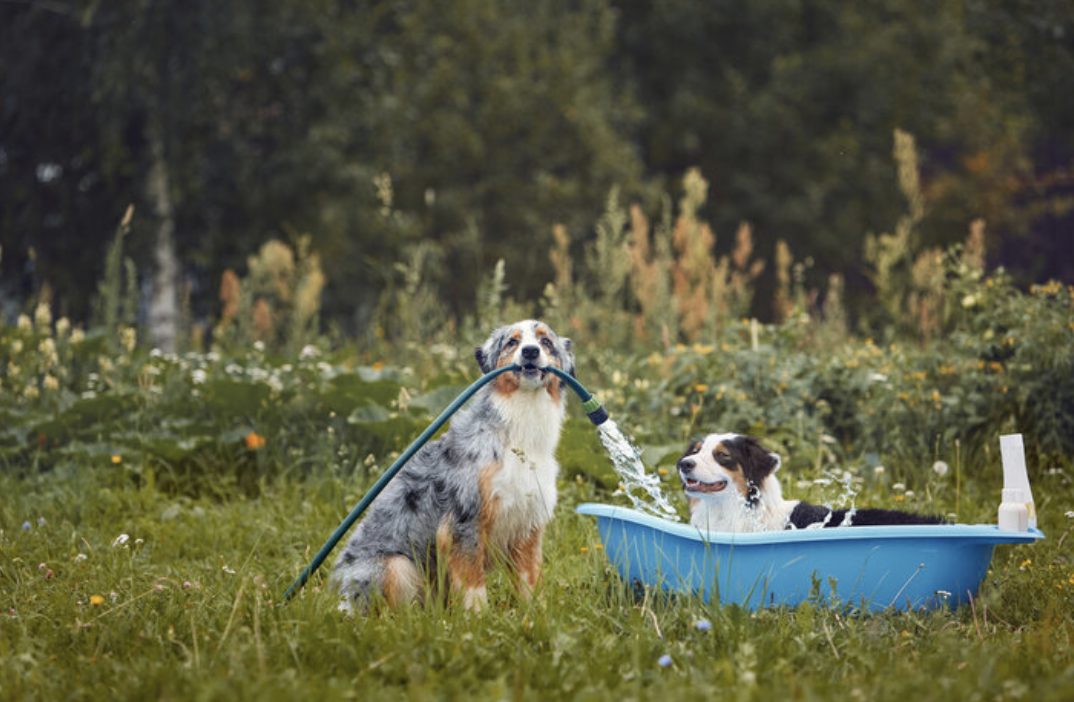
Some dogs see water and launch themselves in without a second thought. While on the other spectrum there are dogs who would prefer to not makes waves or dip one single toe into the water.
As a dog owner, you may love spending summer days by the pool, at the beach, strolling along a river, or enjoying life at the lake. Whether your dog is obsessed with swimming or would rather keep all four paws firmly on dry land, water skills are worth teaching. While safety is an obvious reason, water can also provide incredible opportunities for fun, exercise, enrichment, and confidence-building. Like any activity, though, it should be approached thoughtfully and with your dog's individual comfort level in mind.
The truth is that both water-loving dogs and water-avoiding dogs can run into challenges.
Our topic today covers both sides of the coin: helping water-shy dogs build a little love for water, and helping water-obsessed dogs develop self-control. Because as it turns out, the training foundation for both is exactly the same.
Swimming Is a Valuable Life Skill
Not every dog needs to become a dock-diving champion. But every dog can benefit from being comfortable around water.
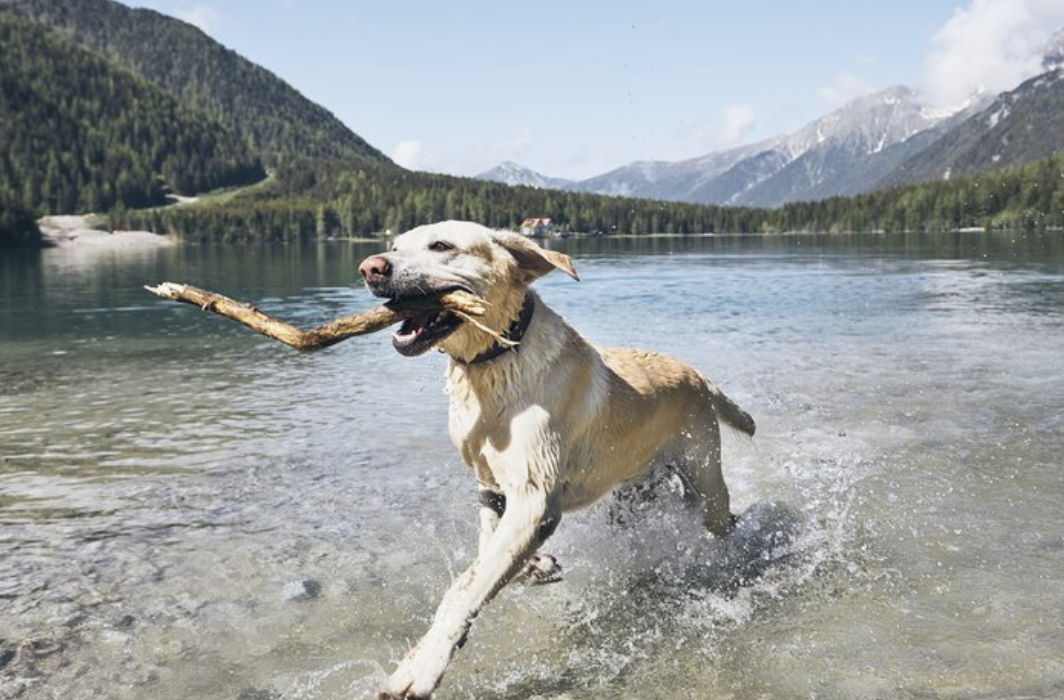
Life happens. Your furry friend at some point will be part of experiences and adventures that include:
A dog who has positive experiences with water is often more adaptable and confident when unexpected situations arise.
Helping a hesitant dog become comfortable with water isn't about forcing them to swim. It's about teaching them that water isn't something to fear. The can coexist with water and be ok!
Why the Same Foundation Works for Both
It might seem strange that a dog who can't wait to dive in and a dog who won't go near the water benefit from the same training approach. But both situations come down to the same core skill: teaching your dog to make good decisions around water, instead of letting their little emotions take over.
For the water-loving dog, that emotion is excitement. Left unchecked, it can turn into jumping the gun, ignoring cues, or making unsafe choices near pools, lakes, or docks. For the water-shy dog, the emotion is fear or uncertainty and without the right support, that can turn into avoidance that never resolves on its own.
In both cases, the goal isn't to suppress how the dog feels about water. It's to give them the tools to navigate that feeling calmly and confidently.
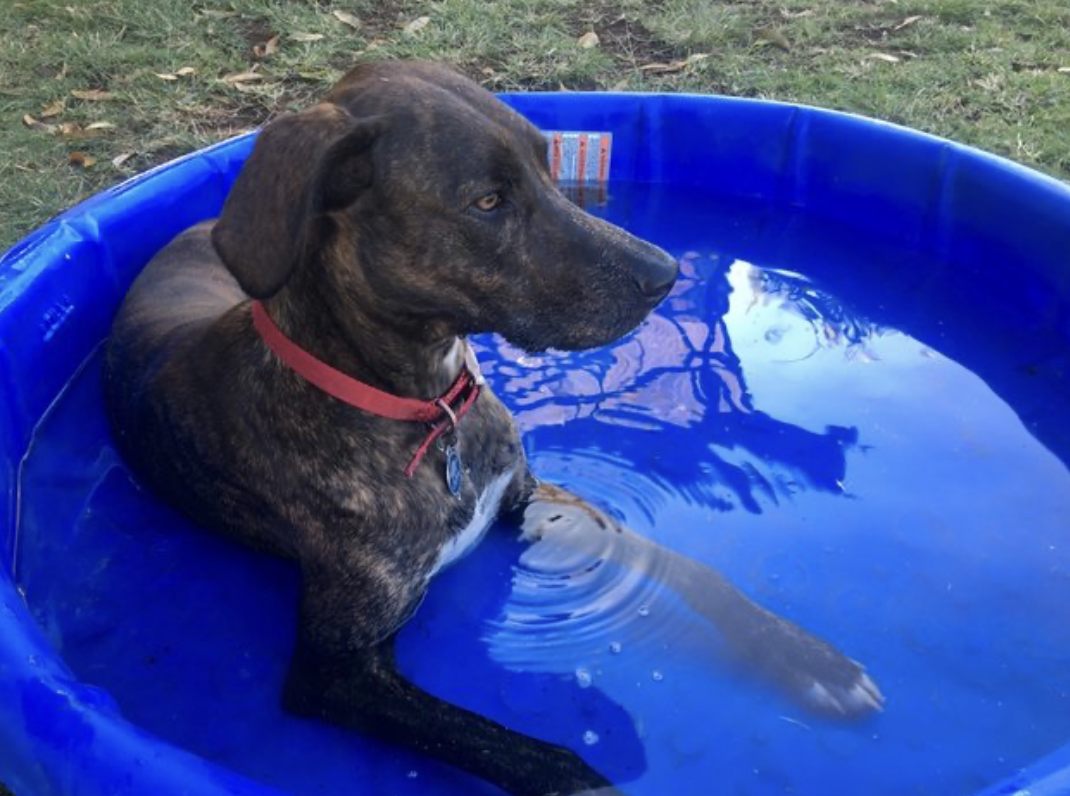
The First Step for Both? An Empty Kiddie Pool!
Yes, both training paths start in the same place: an empty kiddie pool. There's no water yet, no stakes, no pressure. This lets you build a relationship with the pool itself before water enters the picture at all.
From there, water gets added gradually and the pace is dictated by the dog's needs. Confident dogs get water added with cue practice baked in. Nervous dogs get water added in barely-there increments, with the dog setting the speed of every step.
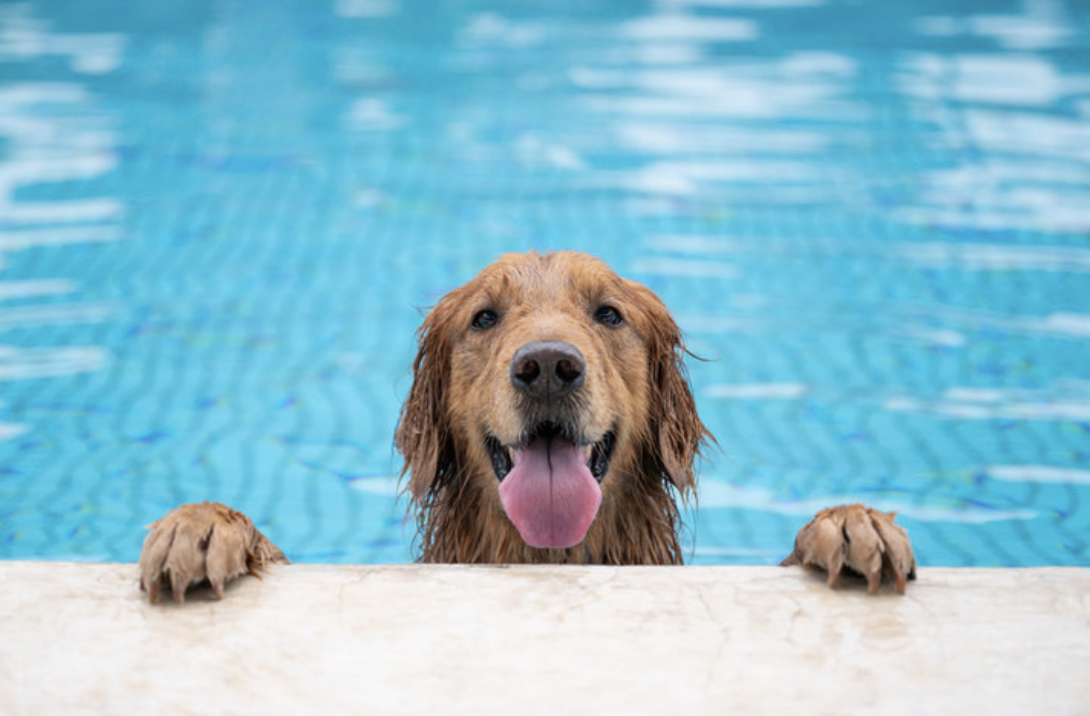
Reading the Signs
Progress doesn't always look dramatic, and that's a good thing. For the water-loving dog, real progress looks like calm waiting at the edge and checking in with you before entering - not just charging in faster than before. For the water-shy dog, progress looks like voluntary curiosity: walking up to the pool on their own, or putting a paw in without flinching.
It's just as important to recognize when you've pushed too hard. A water-loving dog who breaks a stay early or bolts at the sight of water has lost some impulse control along the way. A water-shy dog who shuts down, shows whale eye, or tries to flee has hit a wall of pressure that needs to be backed away from immediately.
The Full Breakdown: Water-Loving vs. Water-Shy Dogs
Here's the whole approach side by side, for a quick reference:
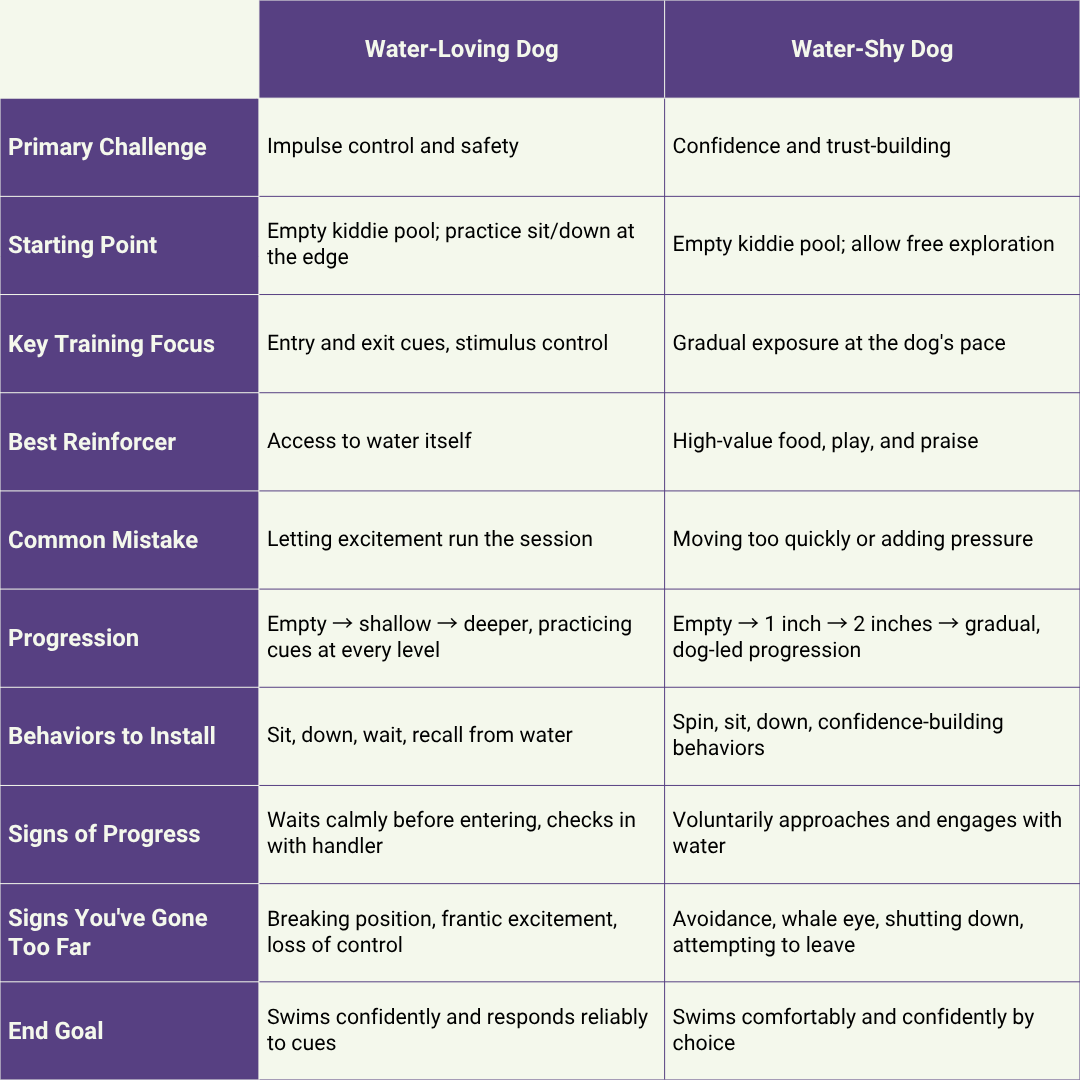
The End Goal Is the Same: A Dog Who Feels Good in the Water
Whether you're reining in enthusiasm or building it from scratch, the destination looks remarkably similar: a dog who swims because they want to and a dog who trusts you enough to come out when it's time to be done.
Water skills aren't just about safety, though that matters in a big way. They're about giving your dog a richer, more confident relationship with the world around them - one paw, or one furry cannonball, at a time.
Summer safety is always top of mind at Happy Hound, as we soak up all the goodness of the summer and are out and about with our favorite furry bestie it’s always good to keep these safety tips in mind.
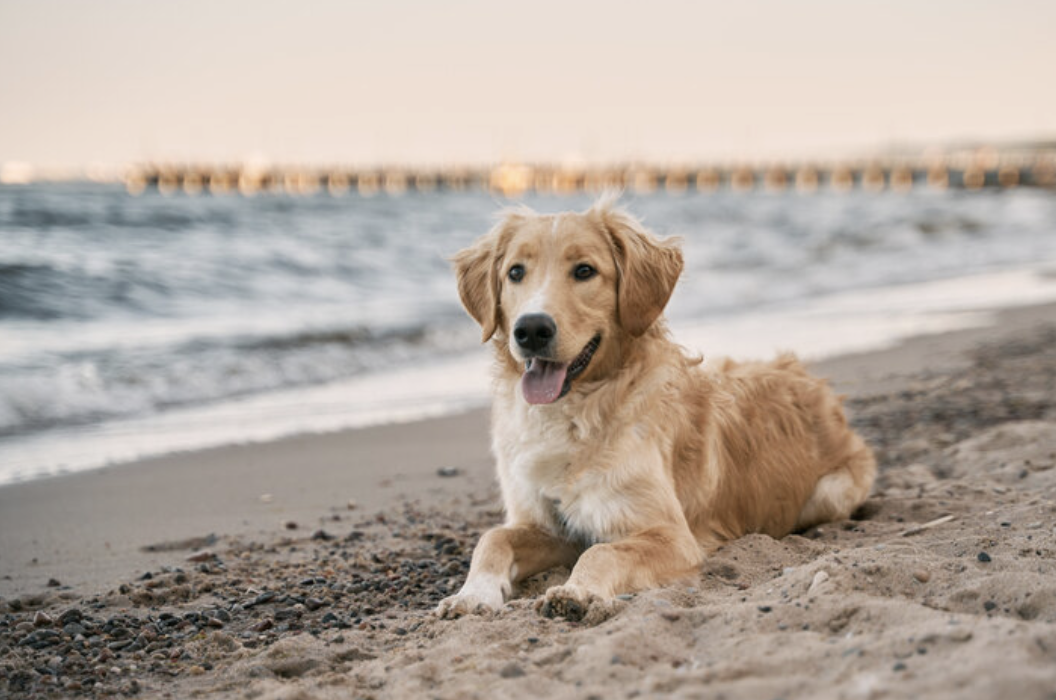
Summer with your dog doesn't have to be a packed schedule or a checklist you stress over. It's more of a "hey, wouldn't this be fun?" kind of list, something to flip back to when you're looking for an excuse to get outside, cool off, or just do something a little different together. Some of these you'll stumble into naturally (a perfect stick basically finds itself), and others might take a tiny bit of planning. Do one, do all of them, or just do the ones that make your dog's tail go absolutely feral. No pressure, no timeline, it’s all about a whole summer of good moments with your furry bestie.
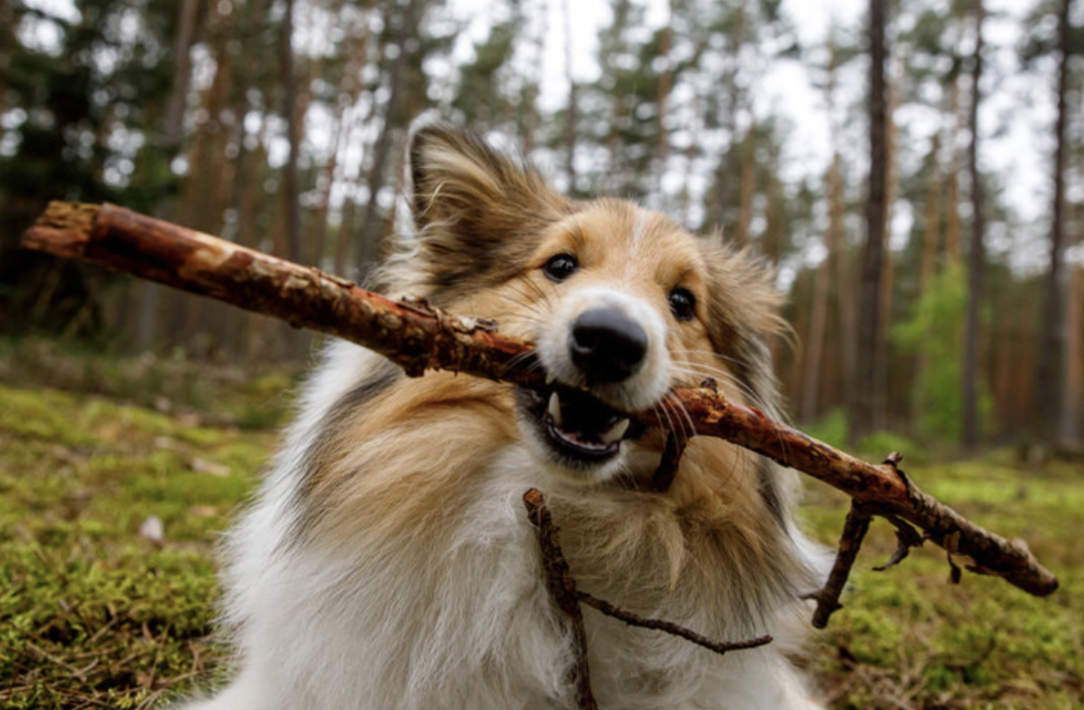
1. Go on a “Treasure Hunt” Walk
Find the perfect stick, coolest rock, biggest leaf, or maybe even a true treasure like a ball or toy!
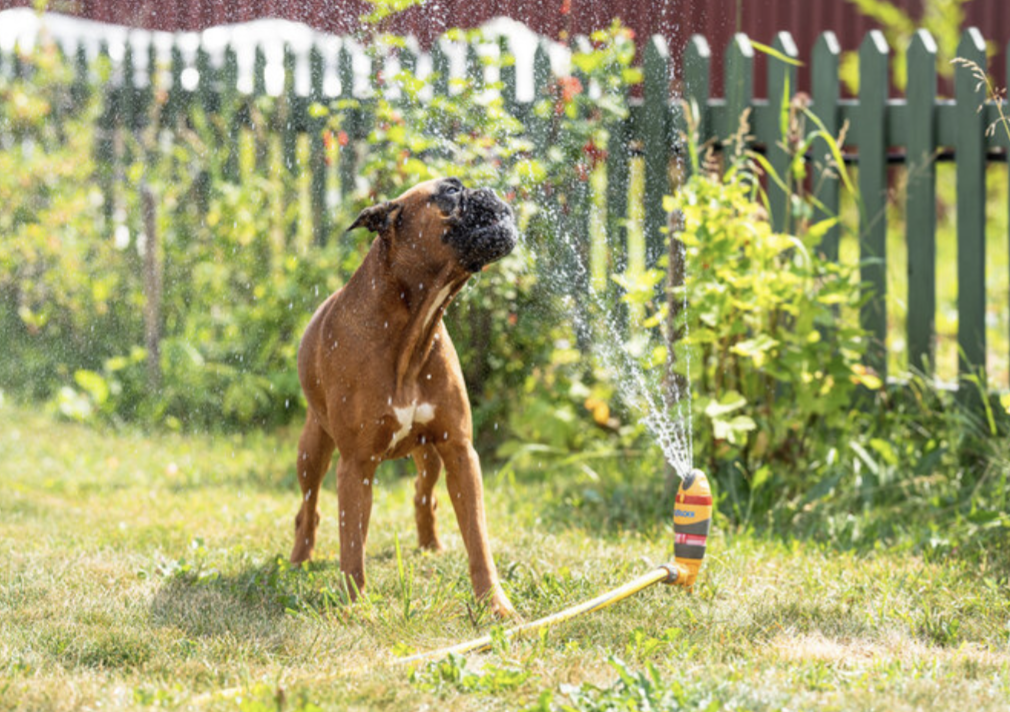
2. Have a Backyard Hose or Sprinkler Party
Chase the stream, bite the water, zoom the yard. A summer classic.
3. Go Camping Together
Even if it’s just a tent in the backyard. The outdoors can be healing, by getting away from all of life’s chaos.

4. Take a Sunset Beach or Lake Walk
Cool sand, salty air, and all the smells.
5. Try a Dog-Friendly Hike
Pick a trail with epic smells and maybe a creek to splash through.
6. Make DIY Frozen Summer Treats
Peanut butter, pumpkin, watermelon, yogurt — instant happiness.
7. Visit a New Dog Park
Fresh zoomie territory and new friends to sniff.
8. Plan a Doggy Picnic
Pack treats, water, a blanket, and snacks for the humans too.
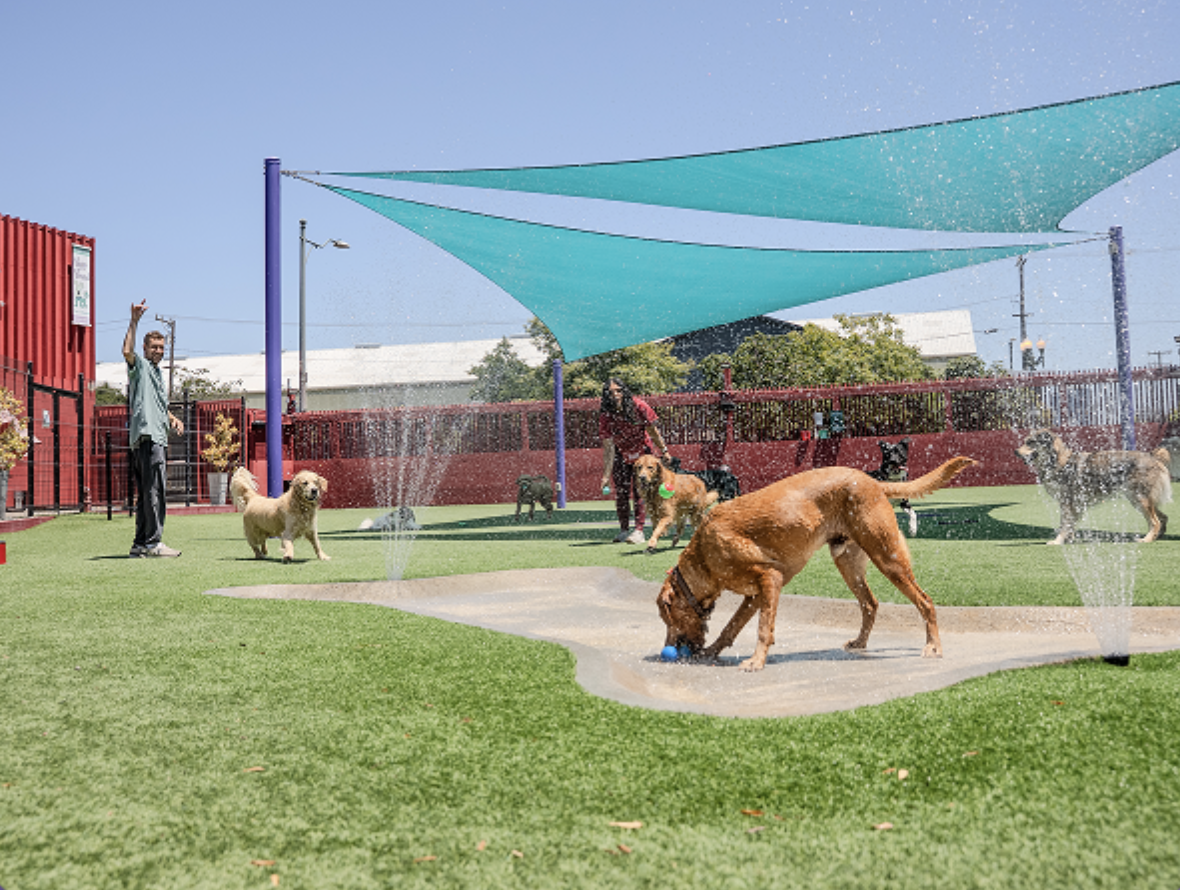
9. Splash Pad Visit
Find a dog-friendly splash pad and let chaos reign.
10. Create a Backyard Agility Course
Use cones, boxes, pool noodles, or whatever’s lying around.
11. Watch an Outdoor Movie Together
Blanket + warm night + dog cuddles = perfect summer evening.
12. Let Your Dog Pick the Walk Route
Follow their nose and see where the adventure leads. They may lead you on a path you’ve never seen!
13. Take a Canoe, Kayak, or Paddleboard Trip
Life jacket required. Dog captain energy encouraged.
14. Host a Dog Playdate BBQ
Humans grill. Dogs wrestle. Everyone wins.
15. Have a “Sniffari” Day
Visit a new neighborhood, trail, or pet store just for the smells.
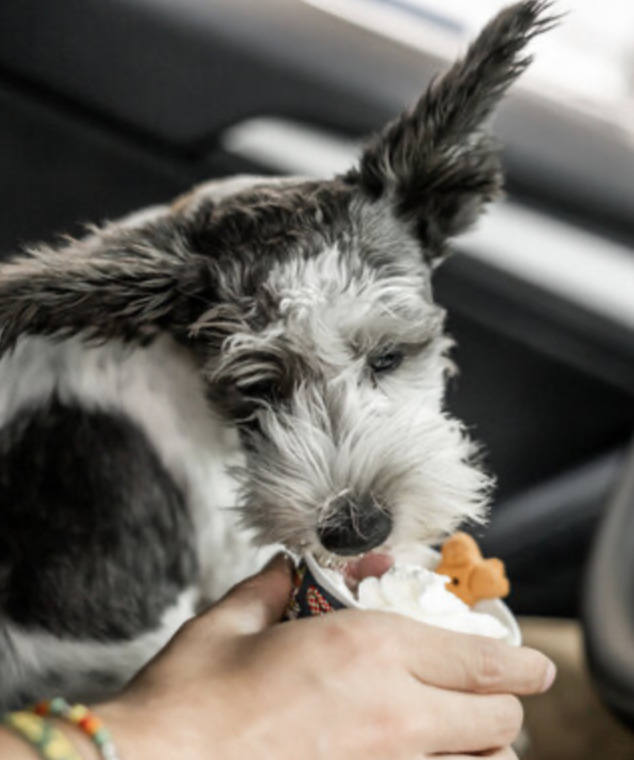
16. Go on a Pup Cup Adventure
Hit a few dog-friendly spots for whipped cream treats and car ride fun.
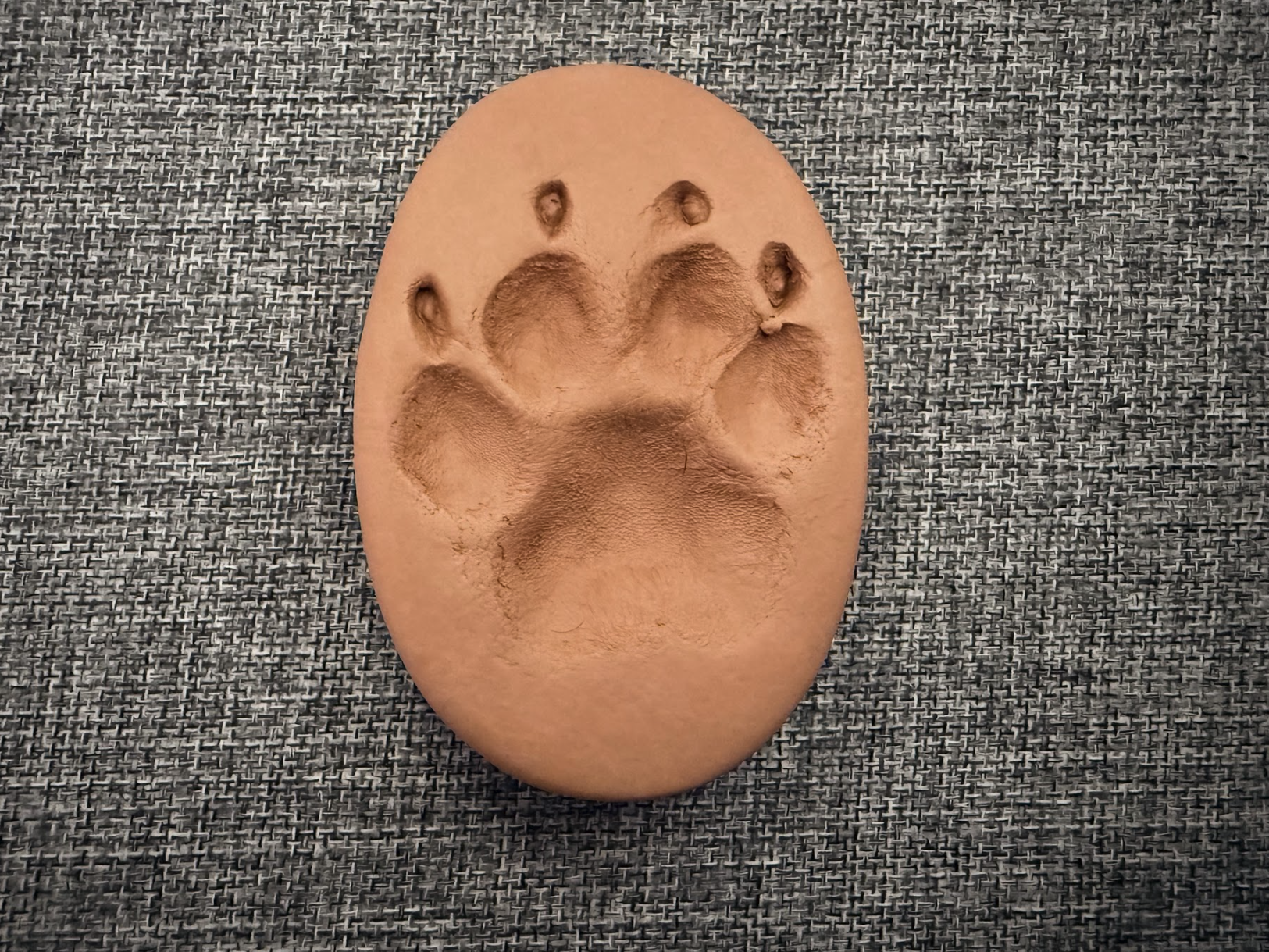
17. Make Paw Print Art
Messy? Yes. Worth it? Also yes. And think of the memory it can hold for you for years to come!
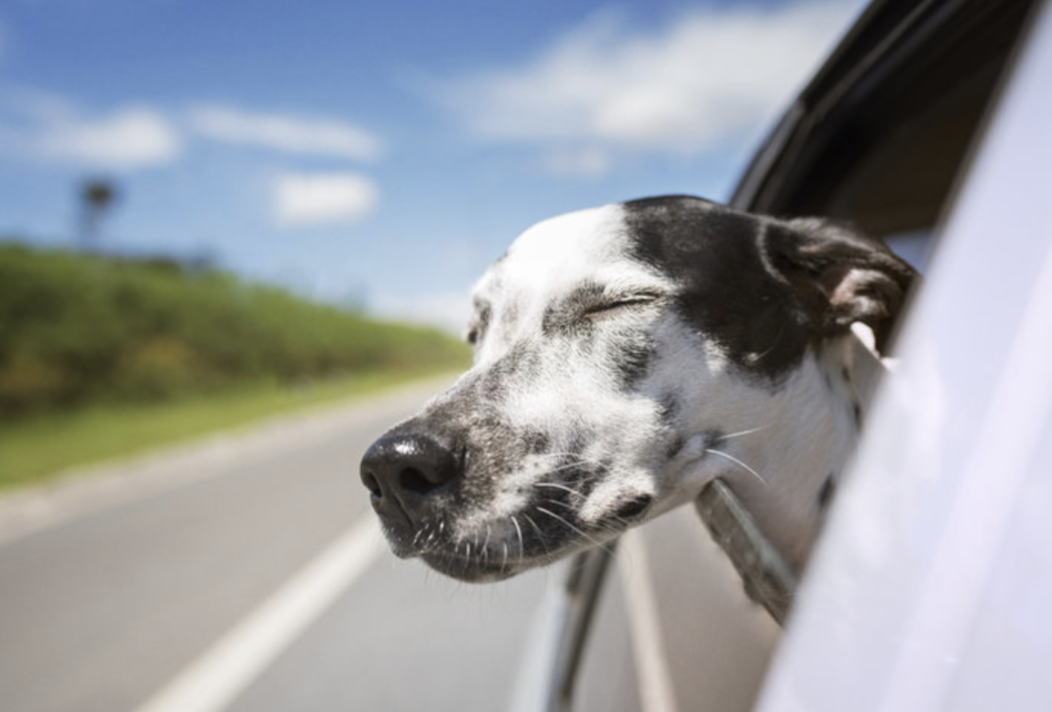
18. Take a Car Ride with the Windows Down
Wind in the ears, nose working overtime. They will feel a sense of pure freedom.
19. Fetch Under the Stars
Glow-in-the-dark ball + warm summer night = elite summer memories.
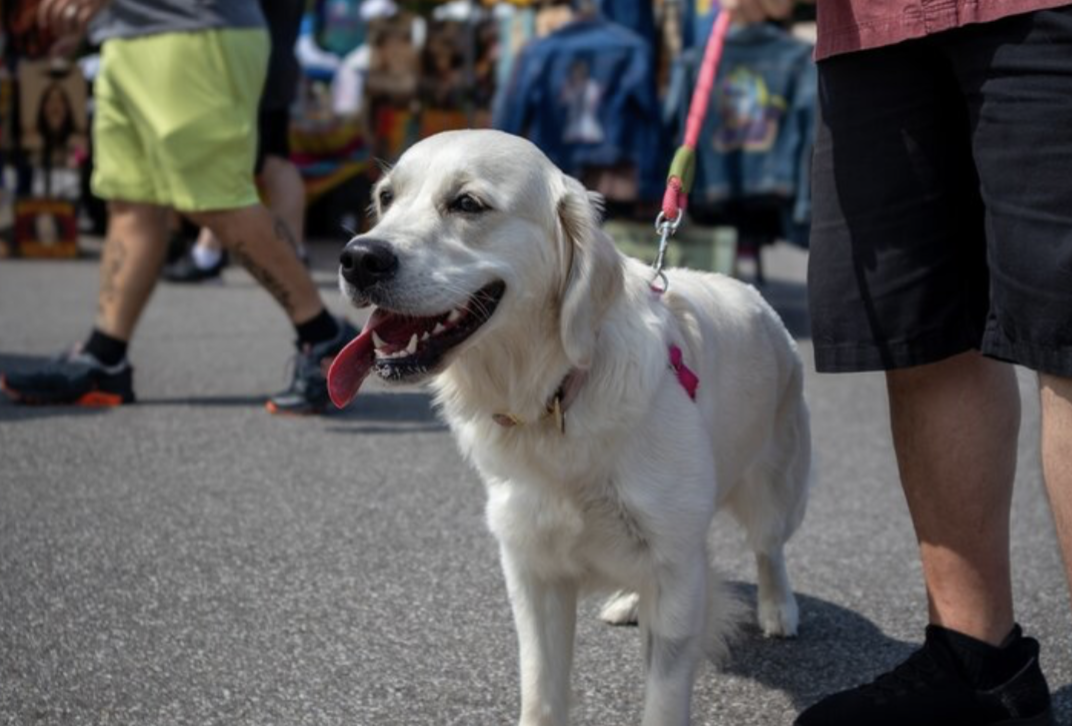
20. Visit a Dog-Friendly Farmers Market or Patio
Collect compliments, snacks, and lots of attention.
21. Take a Lazy Afternoon Nap in the Grass
Find a shady spot and do absolutely nothing together.
22. Have a “Best Day Ever” Day
Favorite walk, favorite toy, favorite snack, favorite human.
23. Make It to the End of Summer Together
Dirty paws, happy memories, and one very good dog.
.png)
When the sun is shining and the skies are blue, one of our first priorities is to get outdoors. There’s nothing better than taking our furry adventure companion out into the wonders of nature and all it has to offer, whether it's a walk in the park or a new hike. Is there anything better than watching your pet pal race through the woods, sniff every blade of grass, and soak up the great, open space of the outdoors? But hidden in those leafy trails and tall grasses is one tiny, annoying pest that can cause some big problems: ticks.
Let’s take a moment to learn about Lyme disease, so you and your adventure-loving pup can stay safe while exploring all the beauty Mother Nature has to offer. After all, fresh air is good for the soul, and we certainly won't let one tiny tick stand in the way of your next outing.
.png)
How Dogs Get Lyme Disease
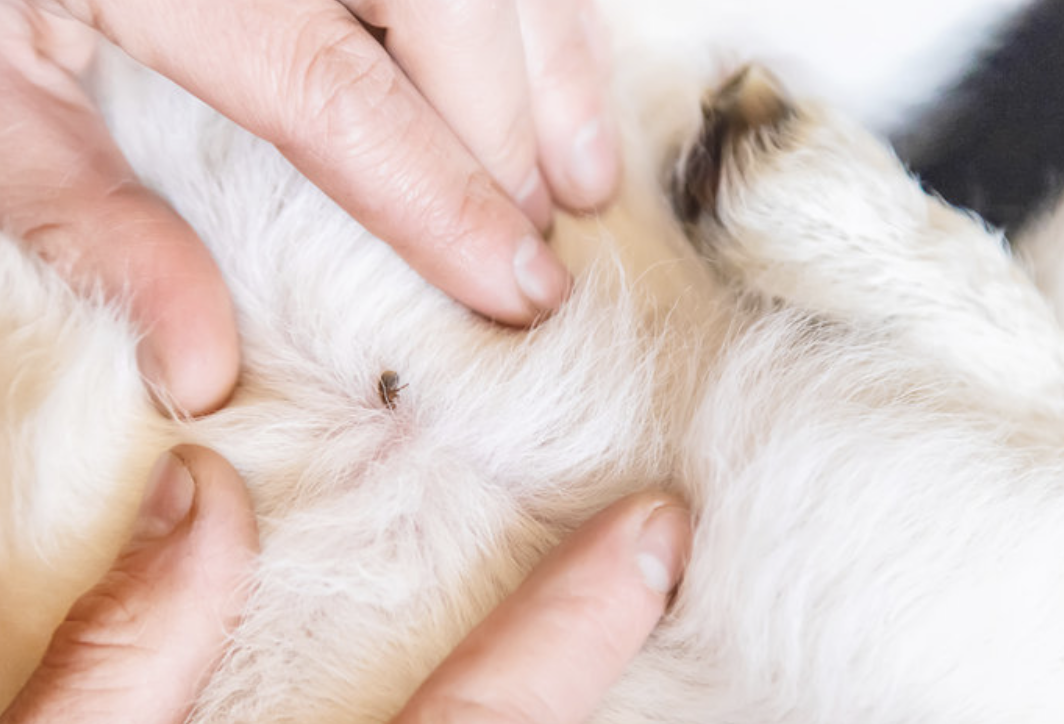
Lyme disease is spread through the bite of an infected blacklegged tick, often called a deer tick. These little hitchhikers are incredibly small, sometimes no bigger than a poppy seed (so small!), making them easy to miss, even on a short-haired dog.
The bacteria responsible for Lyme disease, Borrelia burgdorferi, usually require a tick to be attached for 36 to 48 hours before transmission occurs.
That means regular tick checks can make a huge difference. You can catch them before it gets too serious.
Deer ticks are especially common in the Northeast, Upper Midwest, and along the Pacific Coast, but their range continues to grow. If your dog loves wooded trails, grassy parks, or even your own backyard, they're potentially at risk.

Signs Your Dog May Have Lyme Disease
Lyme disease can be sneaky. Many dogs exposed to Lyme never develop symptoms, while others may not show signs for months after a tick bite.
Keep an eye out for:
Unlike people, dogs rarely develop the classic bull's-eye rash. If your pup seems stiff, sore, or simply "off," it's worth a call to your veterinarian.
How Veterinarians Diagnose and Treat Lyme Disease
Your veterinarian can usually screen for Lyme disease with a simple blood test, often during routine wellness visits. These tests frequently check for several tick-borne illnesses at once.
If treatment is needed, doxycycline is typically very effective. Most dogs start feeling much better within a day or two, though the full course usually lasts about four weeks.
Early treatment leads to the best outcomes, so if you suspect something is wrong, it’s best to double-check and make a call to your vet.
The Best Protection: Prevention
When it comes to Lyme disease, prevention can be everything. A few simple habits can dramatically reduce your dog's risk.
Use Tick Prevention Year-Round
Talk with your veterinarian about the best option for your dog, whether that's a topical treatment, an oral chew, or a tick collar. Especially if you live in high tick areas or spend most of your time hitting the trails!
Check Your Dog After Your Outdoor Fun
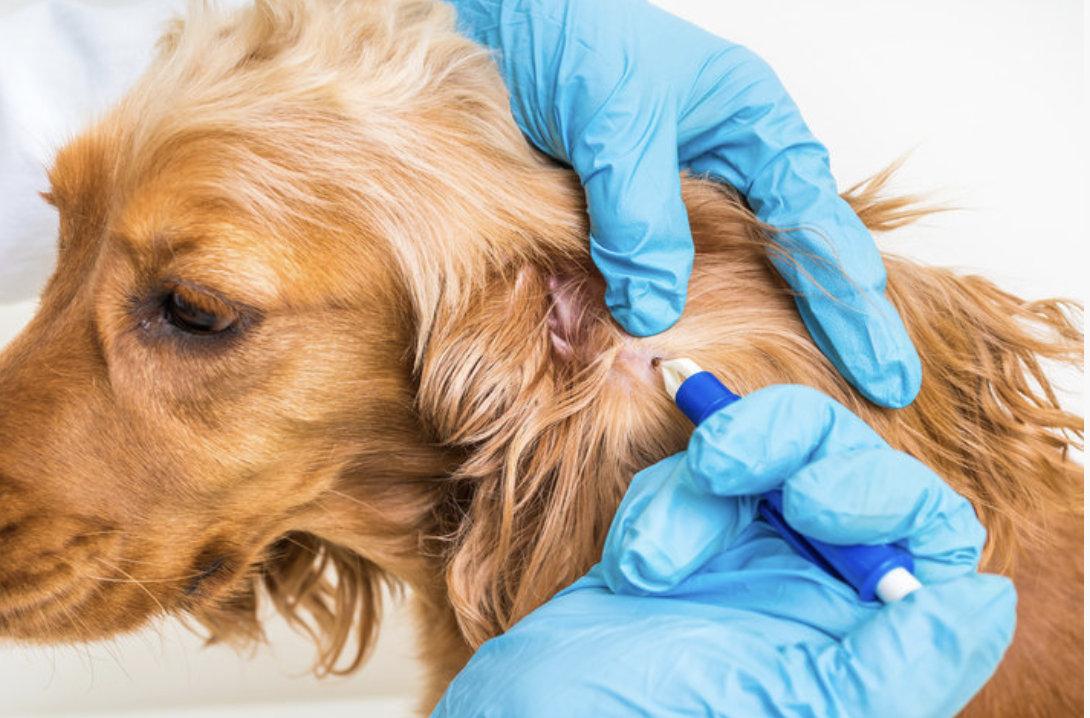
Run your hands through their coat after hikes, walks, or backyard playtime. Pay special attention to:
Ticks love cozy hiding spots and can be very sneaky.
Remove Ticks Quickly
If you find one, use fine-tipped tweezers or a tick removal tool. Grab the tick close to the skin and pull straight out with steady pressure.
Consider the Lyme Vaccine
For dogs living in high-risk areas, your veterinarian may recommend the Lyme vaccine as an extra layer of protection.
Keep Your Yard Tick-Unfriendly
Regular mowing, clearing brush, and removing leaf litter can make your outdoor space much less appealing to ticks.
Schedule Annual Testing
Even dogs on excellent prevention plans benefit from yearly tick-borne disease screening.
Can You Catch Lyme Disease from Your Dog?
Not directly. Your dog can't pass Lyme disease to you through cuddles, kisses, or sharing the couch.
However, ticks can hitch a ride indoors on your pet. That's why tick prevention helps protect your entire family, not just your four-legged friend.
Ticks may be tiny, but the problems they cause can add up to a bigger deal, which is no fun. Fortunately, a proactive approach goes a long way.
With regular prevention, routine tick checks, and prompt veterinary care, your furry companion can keep enjoying all their favorite outdoor adventures—safely. Because every hike, romp, and muddy paw print is better when your best friend is healthy and happy.
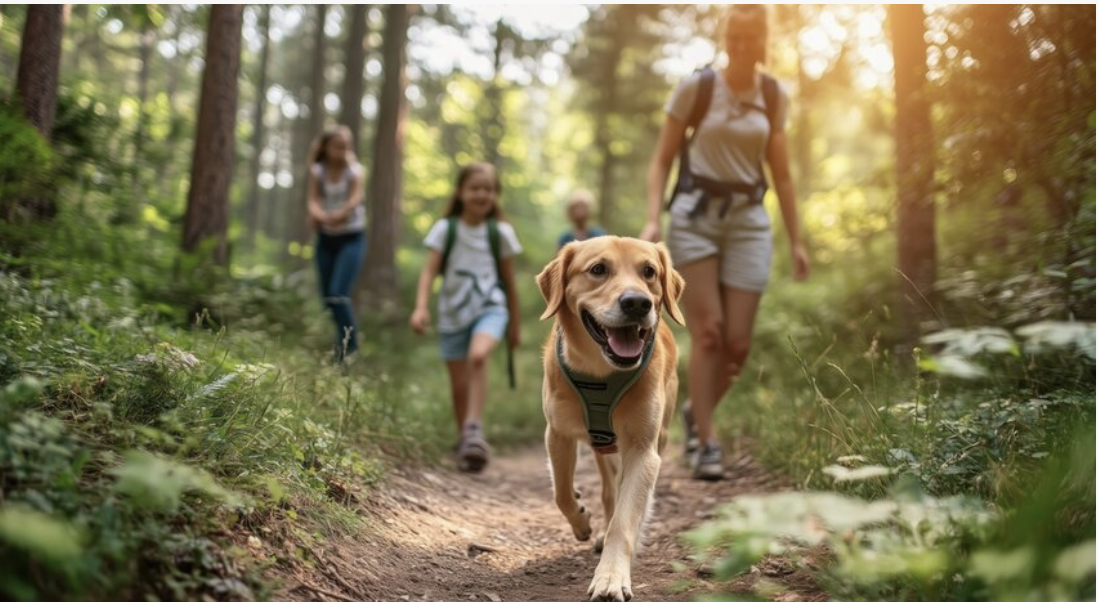
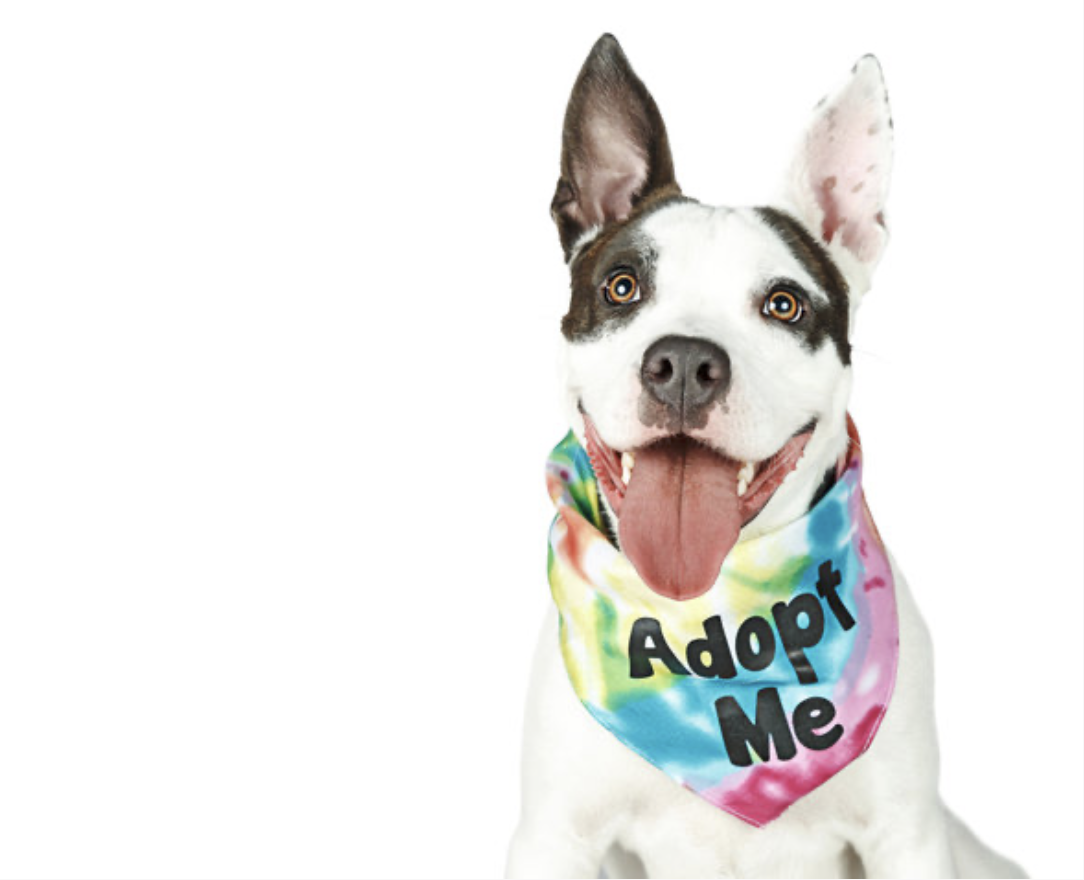
April 30th is National Adopt a Shelter Pet Day and it's honestly one of Happy Hound’s favorite days of the year. It’s a day that brings awareness to the dogs out there looking for a place they can call home…forever. The journey from shelter kennel to family couch is one of the most beautiful journeys a dog, and a person, can take together.
A Day That Started With Dogs
National Adopt a Shelter Pet Day has sweet roots. The American Humane Society launched Adopt a Dog Month back in 1981 to shine a light on dogs stuck in the shelter system and it worked. The idea caught on, and pet lovers everywhere started pushing for something bigger: a dedicated day to celebrate all shelter animals and the joy they bring to our lives. April 30th was born.
Today, the day is a reminder that shelters need our support year-round and not just on adoption day. Animals arrive at shelters every single day, and the people caring for them need volunteers, donations, and advocates in every season.
Whether you adopt, foster, volunteer, or simply spread the word, you're part of something that genuinely changes lives for both our furry friends and people too!
Adoption doesn't just save a life - it changes two of them. The dog's, and yours.
Why Adoption Matters and Why Fostering Does Too
When you adopt from a shelter, you save a life and you free up space for another animal in need. It's a two-for-one deal that feels pretty great, honestly. But the ripple effect goes even further than that.
Shelters across the country face real overcrowding challenges, and every adoption helps ease that burden. It also means more resources, more attention, and better care for the animals still waiting. And when you welcome a rescue dog into your home, you’re not just giving them a bed and a bowl, you're giving them safety, love, and the chance to finally be themselves. Talk about a genuinely huge feel good!
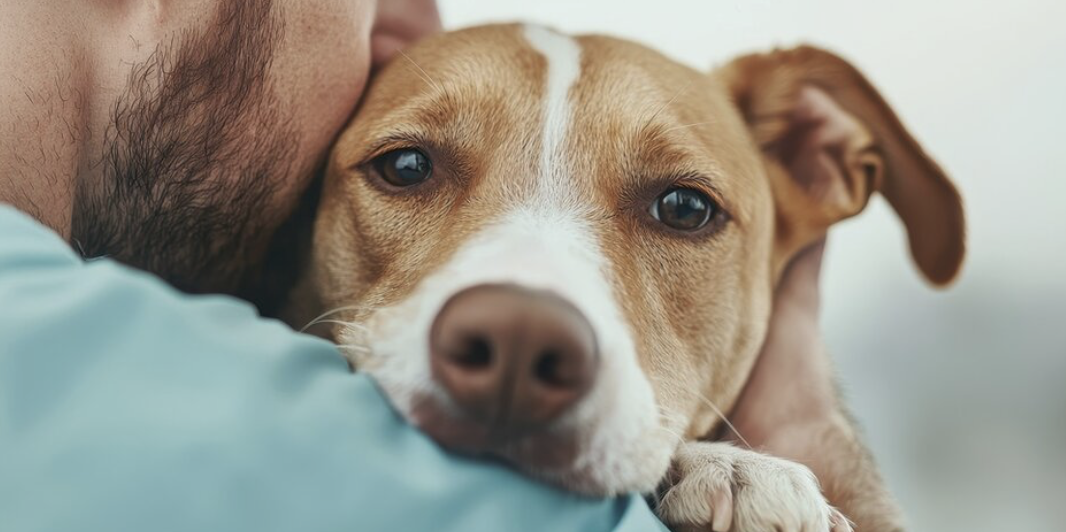
Let’s talk about fostering since it is just as impactful. If you're not quite ready to commit to a forever dog just yet, fostering is your move. It's one of the most important things you can do, and it's wildly underrated. A few weeks or months in a warm, caring home can take a dog from overlooked to utterly irresistible. Foster dogs learn household routines, gain confidence, and pick up the social skills that can be tough to develop in a kennel. And the insight you gain about their personality, their quirks, their joys, their funny little habits is pure gold for helping them find the right forever family. Think of it as giving a dog their best audition reel.
Not ready to foster either? No worries. There are so many ways to show up for shelter animals. Volunteering your time to walk dogs, socialize cats, or help with daily tasks makes a real difference. Donating supplies like food, toys, blankets, or funds for medical care keeps shelters running. And honestly, something as simple as sharing an adoptable pet's photo on social media can be the nudge that connects them with the right family. Hashtags like #AdoptDontShop and #ShelterPetDay have helped real dogs find real homes. Every little bit counts.
Happy Hound Foster Program: We Heart a Love Connection!
Happy Hound partners with area rescues and shelters to provide boarding, daycare, and grooming services and they go one step further by fostering dogs who need a little extra support before they're ready to find their people.
Their team works closely with each dog, watching how they move through different environments and situations. That hands-on time gives them a genuine window into who they really are. They especially love taking in the dogs who tend to get passed over: large dogs, dogs who need more socialization, and bonded pairs who need to stay together. While they're with them, they gain the confidence, manners, and exposure that make all the difference when the right family comes along. You can learn more about our program here and also meet their current foster dogs waiting for a home – Rufus & Blue. Wait till you see their little faces!
A Recent Happy Hound Adoption Tale
Say Hello to Carlos the Great
Suzanne, owner of Happy Hound, will tell you she can talk about adoption and fostering all day. But nothing brings it to life quite like living it. Just recently she fostered and just adopted someone very special, someone who recently found his way into the Happy Hound family, and who has already claimed a permanent spot in her heart.
Carlos is, without question, one of the nicest guys she's ever met - four legs, wet nose, and a tail that doesn't quit. He's genuinely friendly, warm toward almost everyone he encounters, and has a wonderful, easy-going energy that makes people smile the moment they see him.
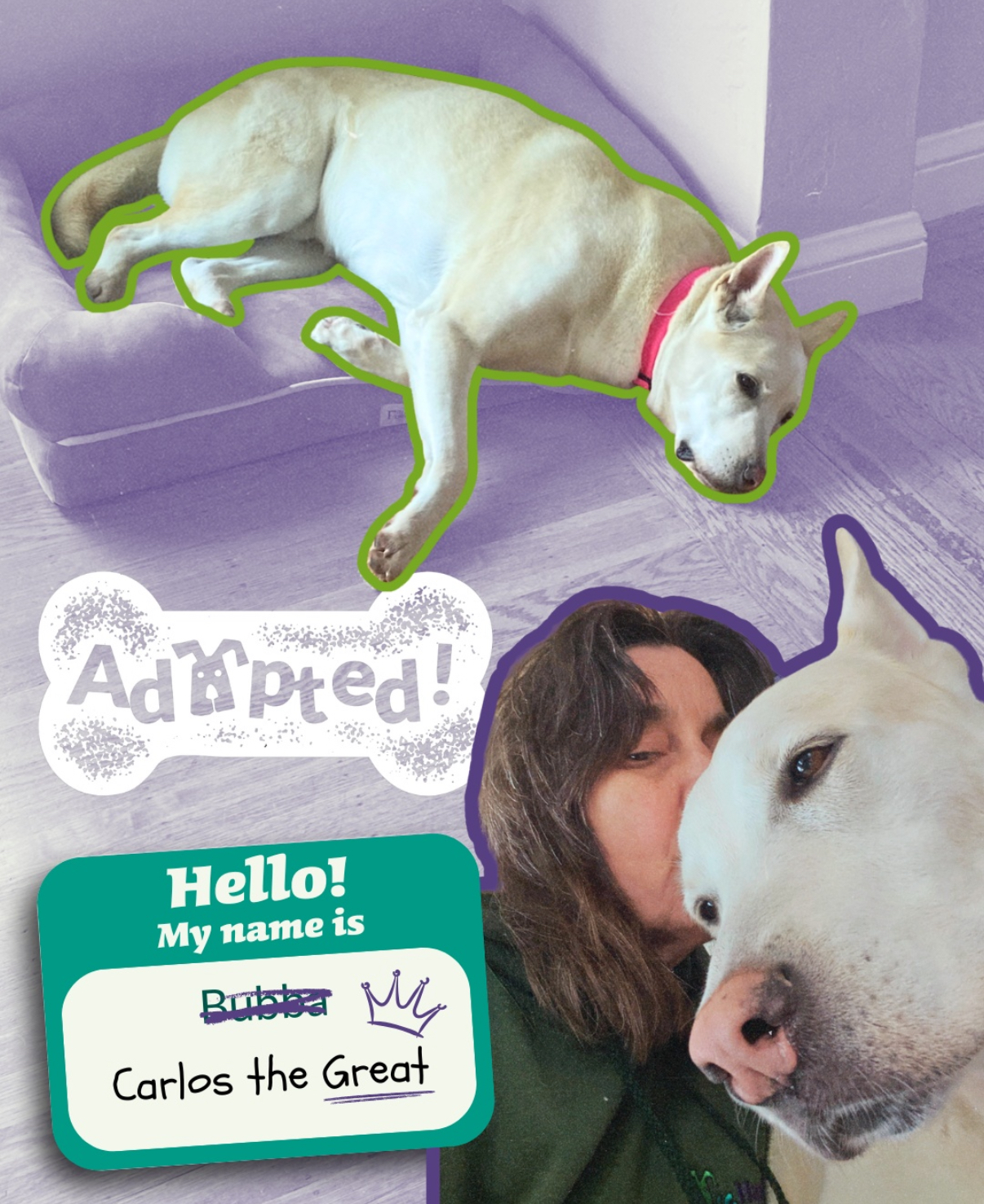
But Carlos carries a story, like so many rescue dogs do. He was neglected when it came to touch and attention early in his life and that's left him a little guarded when it comes to physical affection. Not exactly what you'd call a cuddle bunny. Not yet, anyway.
But Suzanne is working on it. Every day is a small step, a moment of trust built, a hand accepted, a nap a little closer than the day before. Watching him slowly open up has been one of the most rewarding things she's experienced. Carlos is teaching her just as much as she's teaching him.
He's a reminder that rescue isn't always a fairy tale with an instant happy ending. Sometimes it's a slow, patient, deeply meaningful journey and it is absolutely worth every single moment.
If Carlos's story resonates with you and if you've ever thought about adopting a dog who needs a little more patience, a little more time let this be your nudge. The dogs who take longer to trust you often love you the deepest once they do.
This month we encourage you to visit your local shelter, ask about fostering, and open your heart a little. You just might meet your own Carlos the Great.
.png)
March 23rd is National Puppy Day which feels like the perfect excuse to celebrate those tiny paws, wiggly tails, and the brand-new routines that come with bringing home a puppy. Puppies are adorable....but also absolutely chaotic, exhausting, and well let’s face it obviously completely worth it. If you’re welcoming a new pup (or thinking about it), here’s what to expect and the key training milestones that set you up for long-term success so you can remain enamored with their squishy, precious face and sweet puppy breathe.
First: A Reality Check (In the Best Way)
Puppies learn by doing and they do everything with their mouth. It’s their way of testing out their little, new world. Your puppy isn’t being “bad” when they:
They’re just being a puppy. Your job early on is to create structure and teach calm habits in small, repeatable steps. All in the fun of watching them learn and grow!
What to Expect in the First 2–4 Weeks
1) Sleep… a lot
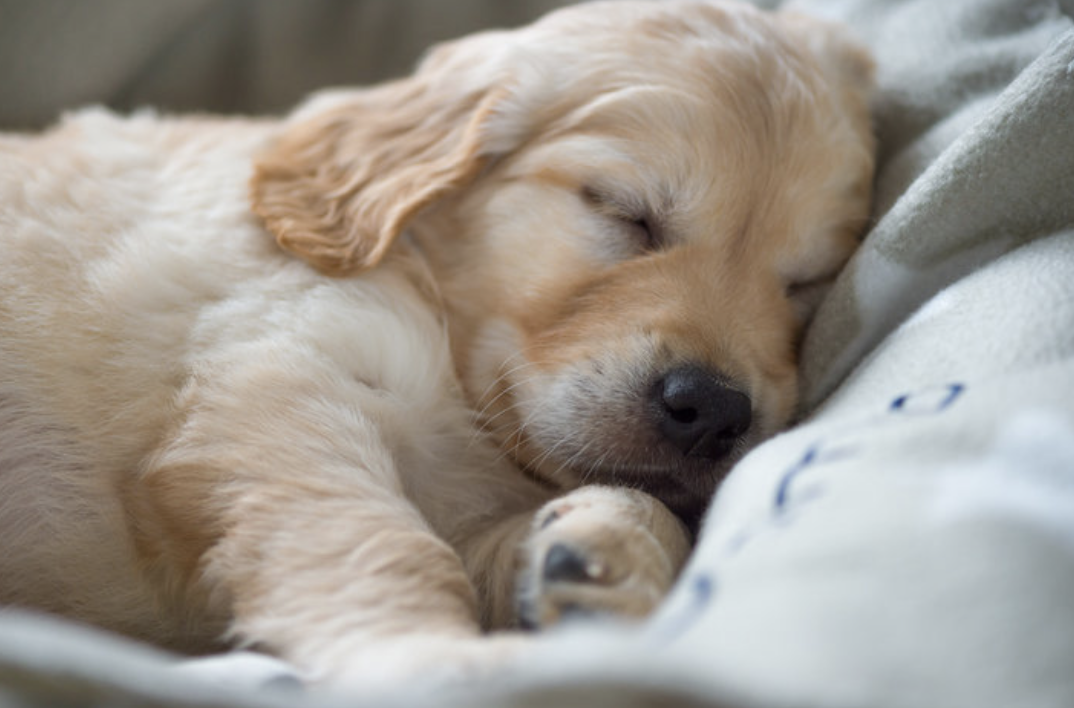
Most puppies sleep 18–20 hours/day. Overtired puppies get bitey and wild, so naps aren’t optional. This sleeping skill is a big part of training.
Tip: If your puppy turns into a piranha, it often means: “I need a little nap.”
2) Small bladders, frequent potty breaks
Accidents are normal early on. Expect to go out:
Training focus: reward potty outside immediately (treat + praise within 1–2 seconds - their attention space is short :).
3) “Velcro puppy” energy
Many puppies struggle with being alone at first. Which makes sense since they are entering a whole new environment. This is normal, but you can teach independence gently and over time.
Training focus: short, positive “alone time” reps (even 30–90 seconds) while they’re calm.
.png)
4) Mouthing and biting
Puppy teeth hurt, and they bite to explore, play, and soothe teething discomfort.
Training focus: redirect to a toy, reward gentle play, and use short breaks if they get too amped.
Puppy Training Key Milestones
8–10 weeks: Safety + routines
This stage is about building predictability.
Milestones to aim for:
10–12 weeks: Socialization window
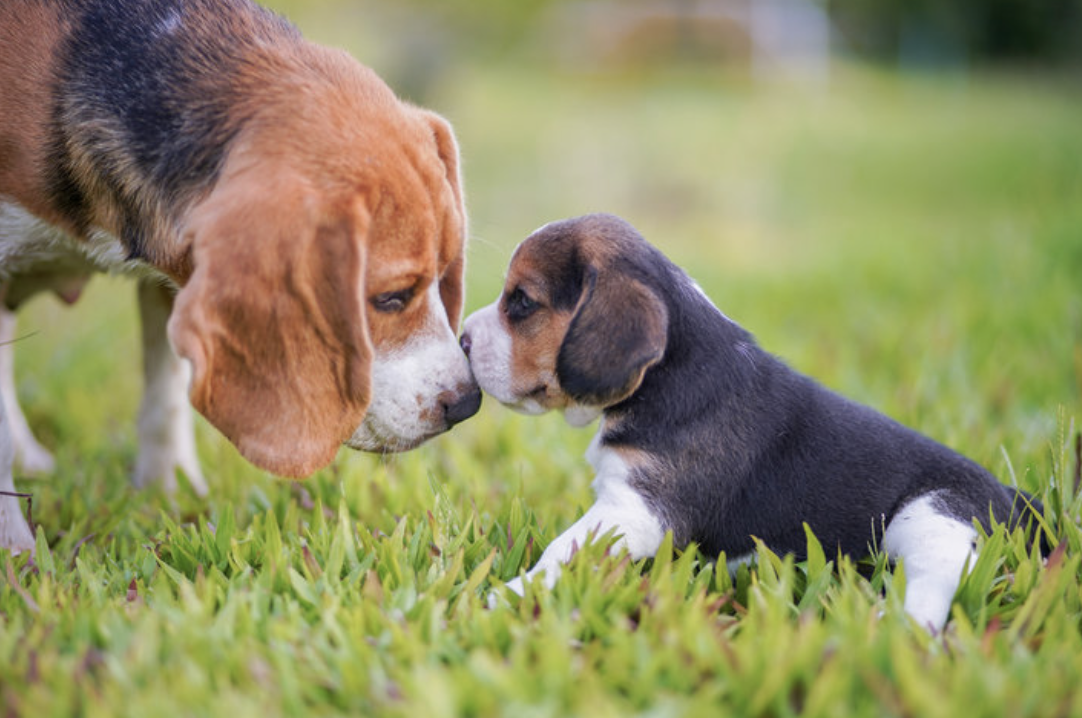
This is a prime time to introduce your puppy to the world in a controlled, positive way.
Milestones to aim for:
Important: Socialization doesn’t mean letting everyone pet your puppy. It means your puppy experiences new things, and you help them stay curious vs. panicked. The world can be a little scary and some dog personalities may be more timid than others. Make sure you are checking in with their body language.
12–16 weeks: Consistency + confidence
Now you’re building real skills, and your puppy is also becoming bolder.
Milestones to aim for:
Inserting 2- 5 minutes of training at a time can go a long way, and with their attention span is a good recommendation.
4–6 months: Teething + “testing boundaries”
Expect chewing, selective hearing, and bursts of independence.
Milestones to aim for:
Reality check: This is often when people feel discouraged. It’s normal. Stay consistent.
6–12 months: Adolescence (a.k.a. the teenage phase)
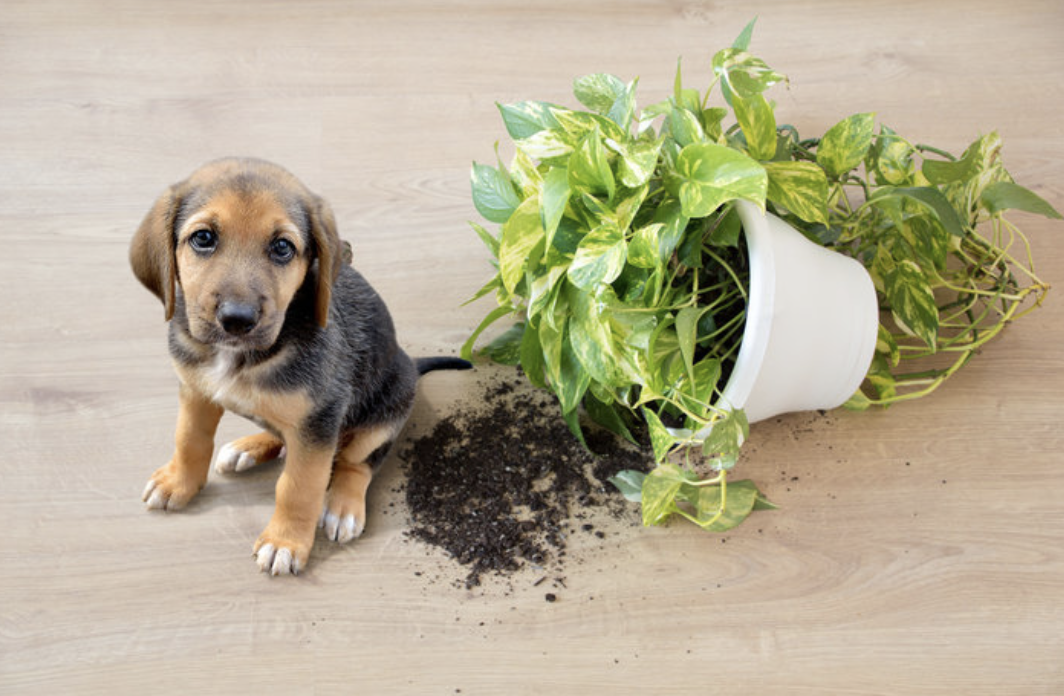
Your puppy may suddenly act like they forgot everything.
Milestones to aim for:
As a reminder, you may feel frustrated with some setbacks at this stage, but again staying consistent is the best route!
The “Big 5” Skills That Make Life Easier
If you focus on nothing else, prioritize these. Here’s some helpful tips to get started. You’ve got this!
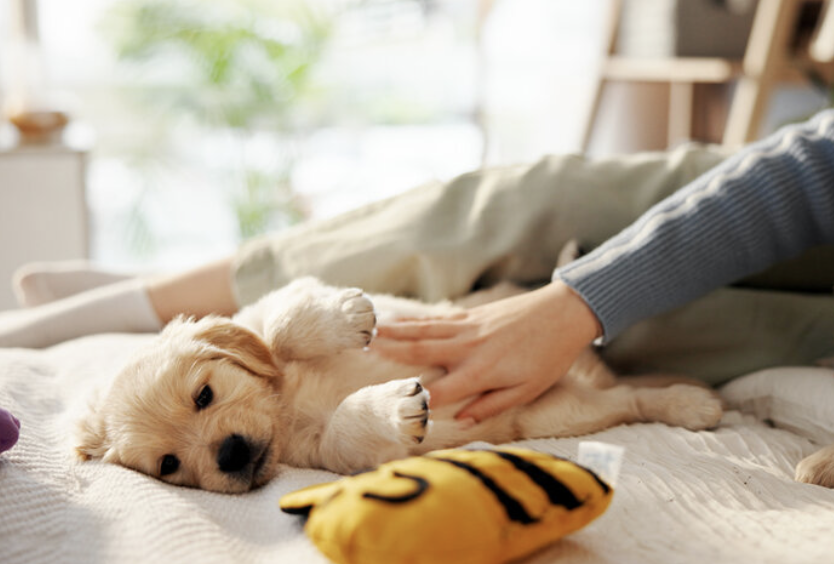
A Little Pup Pep Talk
Training a puppy is probably one of life’s greatest endeavors and accomplishments. It can feel like you’ve taken a million steps back and one forward. The days can feel exhausting, and yes, this is all very normal. So yes—if your puppy naps, you should probably nap too. (No judgment. Full support.) But seriously: give yourself and your puppy some grace, and celebrate the small wins. Sometimes the win is simply: they’re asleep… and your shoes are still in one piece.
Need a little backup? Happy Hound’s got you. We’re celebrating 22 years this March—supporting pups (and their people) with training, boarding, grooming, and a dog park made for the best of times. Puppy training is one of the services we offer. And our approach is a no one-size-fits-all method: we mix proven techniques to match your pup’s personality (and your goals). We’re also grateful to have been named the 2025 Silver Winner — East Bay Express, Best Training.
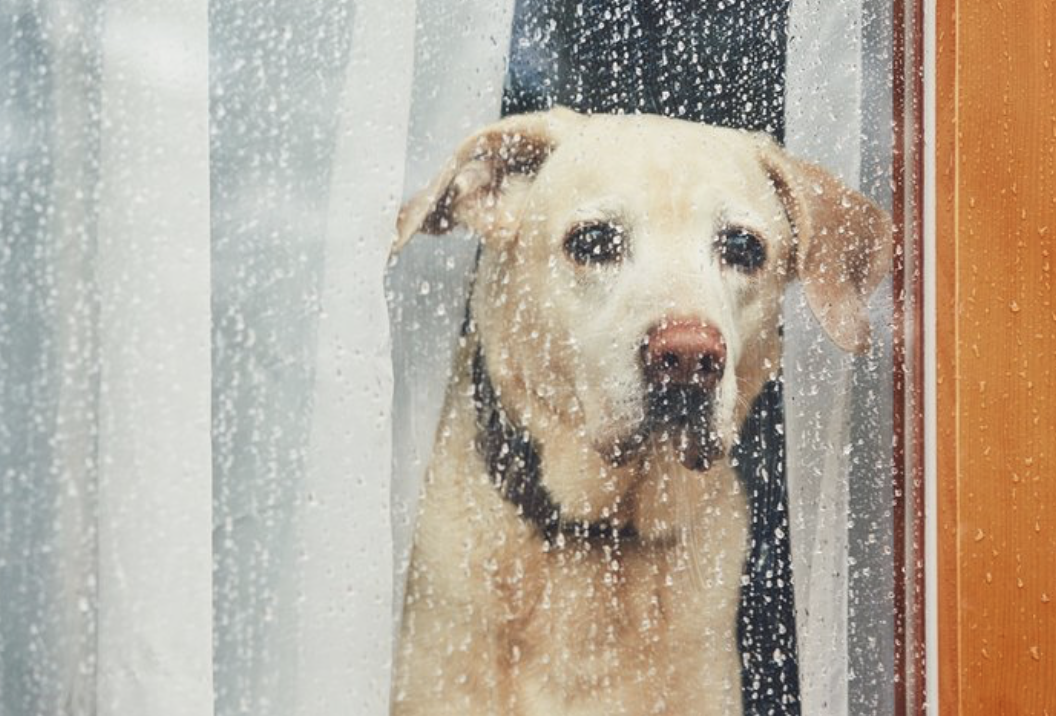
Experiencing the seasons of the year can be lovely — from winter snow and crisp fall air, to spring flowers and the warm sun of summer. Each season brings its own type of rhythm, energy, and beauty, and we adjust our lives to adapt to the changes.
While we can revel in these times of year, sometimes winter can feel a bit longer than the other seasons. Winter brings the cold, shorter days, and darker hours, and we often find ourselves spending less time outdoors. In the animal world, it's a time to hibernate, and as humans, we can feel that pull too and it can often look like slower mornings, earlier nights, or more time curled up inside.
For some, this much-needed slowdown feels like a gift. For others, the lack of sunlight and routine can bring on heaviness or sadness. Seasonal Affective Disorder (SAD) is very real for many people, and it turns out, it can affect our furry pals in many ways too.
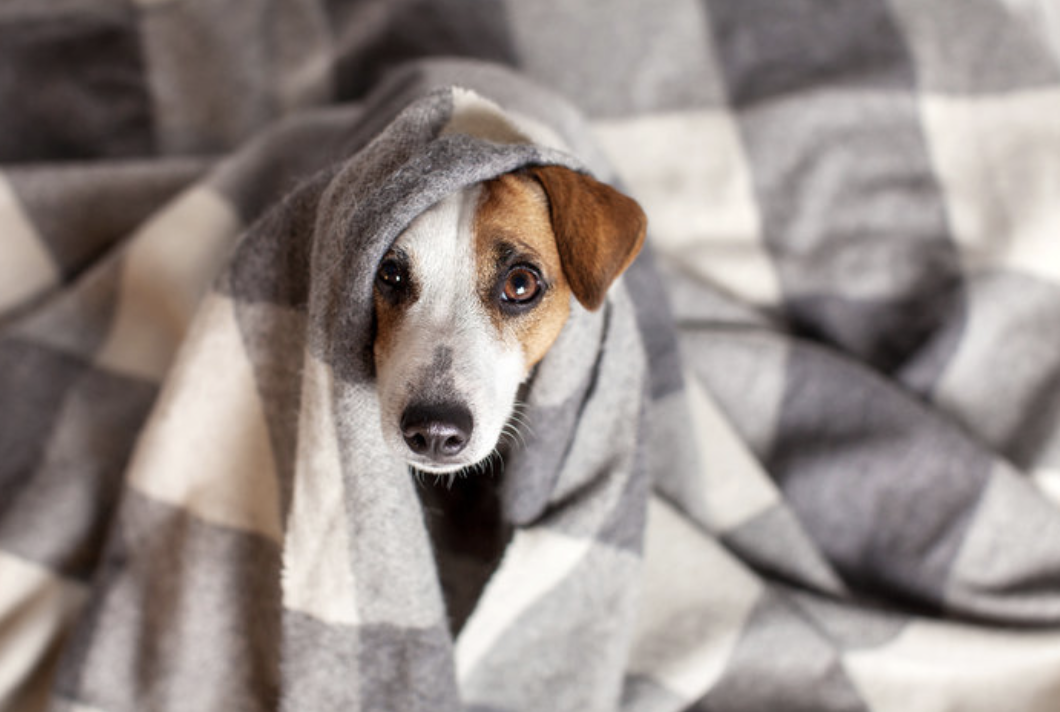
The Winter Version of Your Dog
Maybe your normally bouncy dog lingers in bed a little longer, making a cozy nest of blankets or burrowing themselves under your comforter. It seems their tail wag isn't quite as enthusiastic. Their toys don't bring as much interest. Walks are met with a look that says, "Do we really have to?" as you open the door to the cool breeze or rainy day.
Just to be clear dogs don't experience SAD in the same clinical way us humans do, but they do respond deeply to changes in light, routine, and energy. And winter changes all three, which means your dog "feels" this as well and responds accordingly. Dogs are exquisitely tuned in to rhythm. They notice when daylight fades earlier. They feel when walks become shorter or less frequent. They sense when you are more tired, busier, or pulled inward. All of this can show up as what looks like a seasonal slump.
It's Not Just About the Weather
For dogs, winter often means:
• Less outdoor time
• Fewer spontaneous adventures
• More time alone while humans juggle packed schedules
• A quieter house and lower overall stimulation
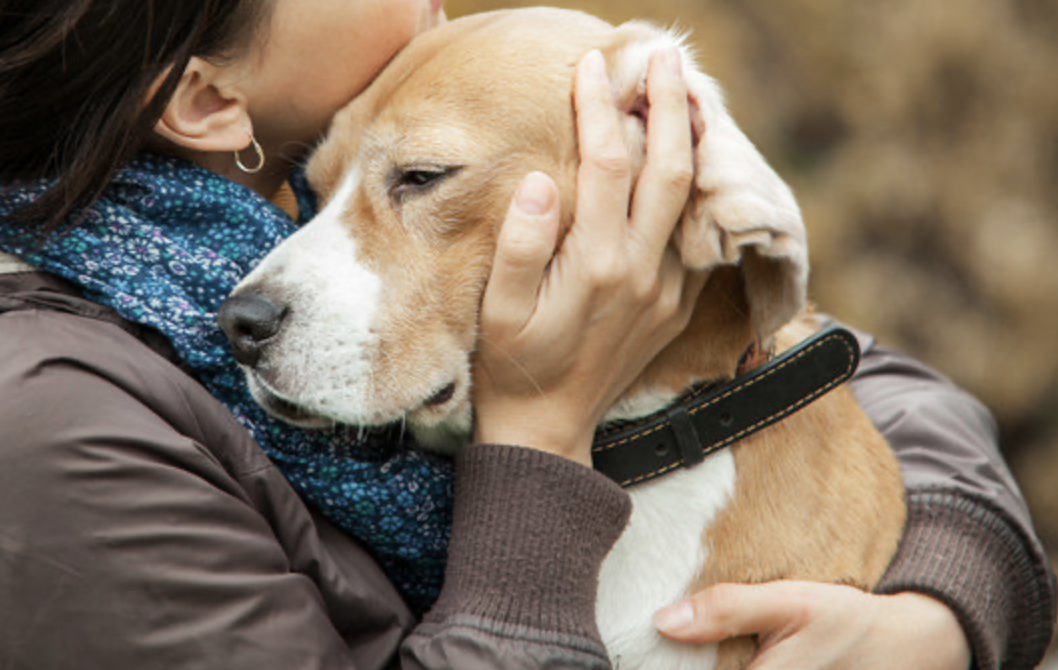
Your Dog Will Match Your Vibe
One of the most tender truths about dogs is that they often match our energy or the vibe we're throwing off. When we slow down, they slow down. When we feel heavy, they lean closer. If you're experiencing winter blues, your dog may not understand SAD, but they absolutely feel the emotional temperature of the household and of their BFF human.
Sometimes what we interpret as a dog being "sad" is actually them staying close, conserving energy, or syncing with us in their own gentle way.
Signs Your Dog Might Be Feeling the Seasonal Shift
• Sleeping more than usual
• Decreased interest in play
• Lower energy on walks
• Changes in appetite
• Seeking more physical closeness
• Seeming a little… flat
These signs don't automatically mean something is wrong, but they are signals worth listening to.
Small Ways to Brighten Their Winter World
You don't need to overhaul your life to help your dog through winter. Often, it's the smallest gestures that matter most.
Soak up Daylight
Getting outdoors even if it is not your usual long walk or visit to the dog park can still be impactful. Fresh air and being in nature such a mood-booster for both of you!
Create Little Rituals
Dogs love consistency and their routines. During winter you can create some new indoor routines like a daily game of fetch, a puzzle toy, or five minutes of intentional play can restore a sense of predictability and give them something to look forward too.
Touch Matters
Extra cuddles, brushing sessions, or simply sitting together can be deeply regulating for dogs.
Invite Fun Indoors
Hide-and-seek with treats, learning a new trick, or rotating toys can spark curiosity when the outside world feels dull.
Be gentle with yourself.
Your dog doesn't need a perfect version of you. They need you. Showing up as you are—tired, bundled up, doing your best—is more than enough.
A Winter Reminder
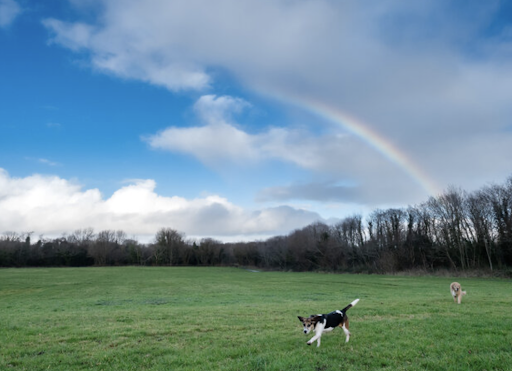
Winter asks all of us to slow down. Dogs seem to understand this instinctively. Maybe what looks like SAD in dogs is simply their wisdom, an invitation to rest, to nest, to be together more quietly.
So if your dog feels a little softer, a little slower this time of year, try seeing it not as something to fix, but something to honor.
With the lighter days on the horizon, we will find our energy come back as the spring flowers emerge. Until then, there's warmth in shared blankets, steady routines, and the quiet comfort of your BFF’s company.
Want to say winter ready?
We’ve got you covered – check out these winter care tips for your dog!
Grief is not a topic that’s easily addressed. We’ve all experienced it in one form or another, whether it’s losing a beloved person in your life or experiencing a life change that completely rocked your world. Whatever type of grief you’ve experienced is uniquely your own, and in many ways, sitting in it can be incredibly lonely, a hole in your world and heart that feels as though you’ve lost a piece of yourself.
Today our article is specifically about the loss a dog parent experiences. My name is Stacy, and I contribute to the Happy Hound blog. As an avid dog lover, writing about all things dogs brings me the greatest joy. This month, I’m getting a little more personal because, coincidentally, as life would have it, Suzanne, owner of Happy Hound, and I both recently experienced the loss of our furry loved ones.
Much like any tragic event, there is often a gift you have to find in order to move through it. For me, that gift has been having Suzanne who knows this pain. There’s comfort in having someone who can relate to your sadness.
If you know this pain, you’re not alone.
If you don’t yet, this is how love leaves a mark…forever.
Grief in the Small Moments
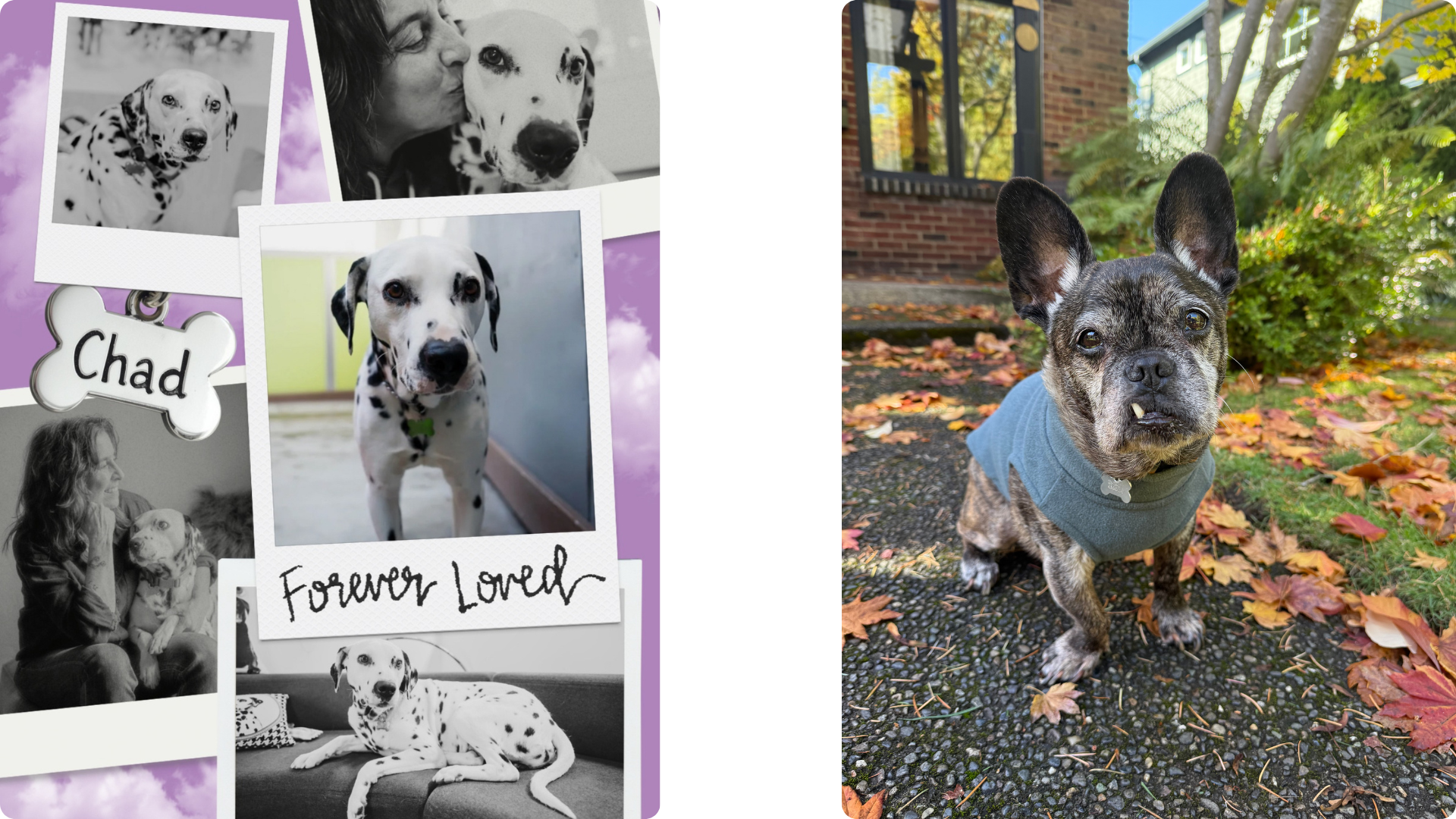
My house is quiet now. I no longer hear the tap of Vito’s paws on our hardwood floors. Vito was a 13-year-old Frenchie, and his grunts and snores used to echo through our house. Over the years, it became our “white noise.” There are moments when my body forgets before my heart does. I still expect him to greet me enthusiastically at the door, or when it’s dinner time, I instinctively look over to see if he’s sitting by his bowl, waiting for a taste of whatever we’re eating. He watched our boys grow from toddlers into teenagers, quietly present for all the moments in between. He took care of us when we were sad and celebrated our happiness. He tilted his head in a way that meant he was listening. He was a coveted and cherished family member. And for these reasons and so many more, this is why it feels as though our world shifted off its axis.
And the thing about grief-it’s like a gut punch. It catches you off guard when you least expect it. I recently saw a dog who looked like Vito, and suddenly all my emotions flooded to the surface. It was uncontrollable, out of nowhere, and instantly brought me back to my saddest place.
Grief arrives in these small, ordinary moments. A steady reminder of how deeply he was intertwined in our family’s daily, hourly routines. We had prepared ourselves for this moment, but preparation doesn’t change the feeling of being shattered and heartbroken.
Grief is the Echo of a Love That Mattered
Dogs witness so many facets of our lives. They are a constant. They know the shape of our lives without ever needing words. Dogs hold space for us in ways few others do, they see us at our best and our worst, and their loyalty is unwavering.
They are our comfort and such a great source of happiness. When we are unexpectedly tossed into grief it feels like a piece of our heart is gone forever. Healing feels impossible, but we do begin to find peace. And part of that is knowing that we loved are furry besties with all our hearts.
What I Wish Someone Had Told Me
Time heals, we know this logically, but it’s crazy how hard it is for your heart to accept that truth.
If you’ve lost a dog, please know you don’t have to minimize your pain or justify it to anyone. There is no timeline you’re failing to meet, no point where it’s suddenly “time to move on.” Your dog mattered. The bond you shared was real. Missing them fiercely or feeling the ache long after others expect you to be “okay” are expressions of love, not weakness.
You have permission to grieve in the way that feels right to you. And as time goes on (and remember it’s your timeline) you may begin to look back on all the special memories with a little more softness. There will be fond thoughts that suddenly put a smile on your face as you reminisce or retell those funny stories of your loved one. You will be able to start saying “Remember when….”
And for those who haven’t yet experienced this kind of loss, this is not meant as a warning. It’s an invitation. An invitation to notice the quiet moments now. The way your dog follows you from room to room for no reason other than wanting to be near you. Loving deeply always carries the risk of grief, but it also gives life meaning and connection that nothing else quite replaces. One day, these ordinary moments will become your most happy, sacred memories.
Grief, I’m learning, is not something to get through or past. It’s something we carry because the love we felt came first. Our dogs change us. They teach us about presence, devotion, and unconditional joy. When they leave, that love doesn’t disappear. I have found it settles into us, shaping who we are and how we love going forward. And in that way, they are never really gone.
What Helps Move With Grief (Not Past It)
There’s no right way to grieve, but these are some gentle practices that can help:
Place a picture of them in a special place. Light a candle on meaningful dates. Talk to them. Rituals give grief a place to land.
A Special Tribute to Chad
Chad unexpectedly passed away on a Saturday night after a rapidly moving pneumonia swept through his body faster than it could be fought.
Suzanne found Chad on a Dalmatian rescue site, and he was first met on March 23. He had lived his life as a backyard-only dog, a stud dog (for the lucky ladies), and had never known life inside a home. He had never eaten quality food, and several of his teeth were broken. At that first meeting, Chad didn’t make eye contact, and there was no immediate connection.
And yet, despite that, he lingered in Suzanne’s mind long after the meeting ended.
On March 26, Suzanne brought Chad home. During his time with her, he learned how to be a companion. He was always a gentleman and discovered that eye contact meant love. He didn’t understand kisses at first, but he learned to tolerate them. He went from never wagging at all to full-body, joyful wagging and his signature kitchen “happy dance.”
Chad transformed into a beautiful soul. With his antics and unmistakable personality, he quickly became a source of inspiration especially for Suzanne’s music. He would wander into the studio, quietly becoming part of the creative process. And now, he lives on as the face of that music.

Final Thoughts
Suzanne shared a book with me that has been incredibly helpful during this time. Its message applies to both dogs and humans, and I’ve included the link here.
When someone you love is grieving, it’s important to acknowledge it. Even though it can hurt to hear their name, most of us want our loved ones to be remembered. We appreciate when people ask how we’re doing because it helps us feel seen, loved, and supported.
Grief is an uncomfortable topic. It can feel awkward to address something so painful, or to worry that you might make someone feel worse. But please don’t avoid it—continue to check in, not just in the immediate days after a loss, but weeks and even months later. The grief doesn’t disappear. It quietly lives within us.
A simple acknowledgment of an important date, asking how someone is doing, or sharing a memory can mean more than you realize. Those small gestures truly mean the world to someone who is grieving.
With love, and the lingering presence of grief,
Your Friends at Happy Hound
.png)
The holidays are filled with laughter, food, and family and for dog parents, they're also made more special by the magic our furry pals bring. It's an exciting time of year, too, since they can feel the ramp of energy during this time of year. From the excited tail wags when the doorbell rings to the hopeful eyes when the plates hit the table, dogs add a warmth no decoration ever could. But all that excitement also means a bit of extra planning to help our pups stay polite as guests arrive and celebrations get underway. So, whether you're hosting a fun gathering or bringing your four-legged plus one to someone else's home, a little preparation goes a long way to avoid any unnecessary stress. (Because while our dogs bring so much holiday joy, nobody wants a four-pawed party crasher with their heart set on swiping a snack or two!)
Here's your guide to kicking off the holiday season on a happy, safe, and festive note:
1. Practice "Polite Greetings" Before Guests Arrive
If your dog's signature move is the full-body jump hug, now's the time for a refresher. Start with short, calm "doorway drills". Have family members or friends ring the bell, step in, and only greet your dog once all four paws are on the floor. Reward calm behavior with praise or treats.
Pro tip: Teach a solid "place" command where they can retreat to a cozy mat or bed when the excitement becomes a little too much.
2. Mind the Food Table (and the Napkins!)
Holiday spreads are bursting with tempting smells and oh-so-forbidden snacks. Turkey bones, chocolate, grapes, onions, and rich sauces may be delicious to us, but they can spell trouble for our pet pals. And let’s be honest some dogs take one whiff of those holiday aromas and instantly go into “sneak mode,” shimmying under the table to steal your napkin like it’s the heist of the century. They’re adorable little rascals… until you suddenly find yourself in a full-on game of chase around the dining room.
To avoid food mishaps, you can tell guests to keep food out of reach, and remind them not to sneak scraps (and we know how those endearing puppy eyes can convince us otherwise, but it is for their safety).
If you're visiting someone's home, you can pack your own dog-safe treats, so they don't feel left out during meal time. They will love that you took the extra step to make sure they are covered on the food front.
3. Create a Calm Zone
Not every dog loves a crowded house or loud laughter.
Set up a "quiet corner" away from the chaos with their bed, toys, and water bowl. If your dog is nervous around guests or kids, this gives them a safe space to decompress. Sometimes us humans even need a place of solace during the holiday season. Our furry pals often set a good example in this area for even us. Their little den means they know if the party gets too wild, they can make an exit on their own. Also, there are so Calming sprays, chews, or soft music can help mellow the mood too if you want to take it a step further.
4. Burn Off Energy Early
A long walk in the fresh air or play session before guests arrive can make all the difference.
A tired dog is a calm dog and they're less likely to bark, jump, or sneak snacks when they've already burned off that party excitement.
5. Set (and Communicate) the Rules
Let guests know your house rules ahead of time especially if you're hosting. And really, they will appreciate knowing the rules without having to guess what is acceptable or not.
For example:
• "Please don't feed Charlie any table scraps."
• "We're practicing calm greetings, so ignore him if he jumps."
• "The backyard gate must stay closed."
6. Watch the Decorations
Candles, tinsel, and wrapped gifts can be irresistible to curious pups.
Keep cords, candles, and ornaments out of reach or risk an "oops" moment that'll put them on the naughty list and we don't want that!
7. Reward Good Manners
Remember: praise and patience go further than scolding.
Bring treats to reinforce calm behavior throughout the event. Every polite moment whether you catch them sitting quietly, greeting gently, ignoring food, all deserves a small reward.
8. End the Night with Gratitude (and a Snuggle)
Whether your dog handled the chaos like a pro or had a few "learning moments," end the night with some quiet one-on-one time.
The holidays aren't about perfection, they're about connection. And for our dogs, your presence is the best gift of all.
With a little prep, patience, and a pocket full of treats, your dog can shine at any holiday gathering. So go ahead and cue the carols, pour the cocoa, and make room for the paw prints under the mistletoe.
Happy Hound’s Monthly Newsletters!
Did you know Happy Hound has a monthly newsletter to keep you in the loop on all things dog-related? Check out November’s edition and subscribe to stay updated on upcoming events, trainings, boarding openings, and all the fun happening at Happy Hound!
.jpg)
As dog owners your dog is more than just a pet they’re your shadow, your comfort, your best buddy……basically your most favorite of all things. You probably know their every quirk, the way they tilt their head when you talk, the sound of their paws on the floor when it’s dinnertime, even how they seem to sense your moods before you do.
Our dogs are family, and when something feels off, it’s like your heart skips a beat. Maybe your furry pal has been drinking more water lately, needing to go out more often, or seems to have lost a little weight even though they’re still eating. These small changes can be easy to overlook, but they’re also some of the early signs of diabetes in dogs.
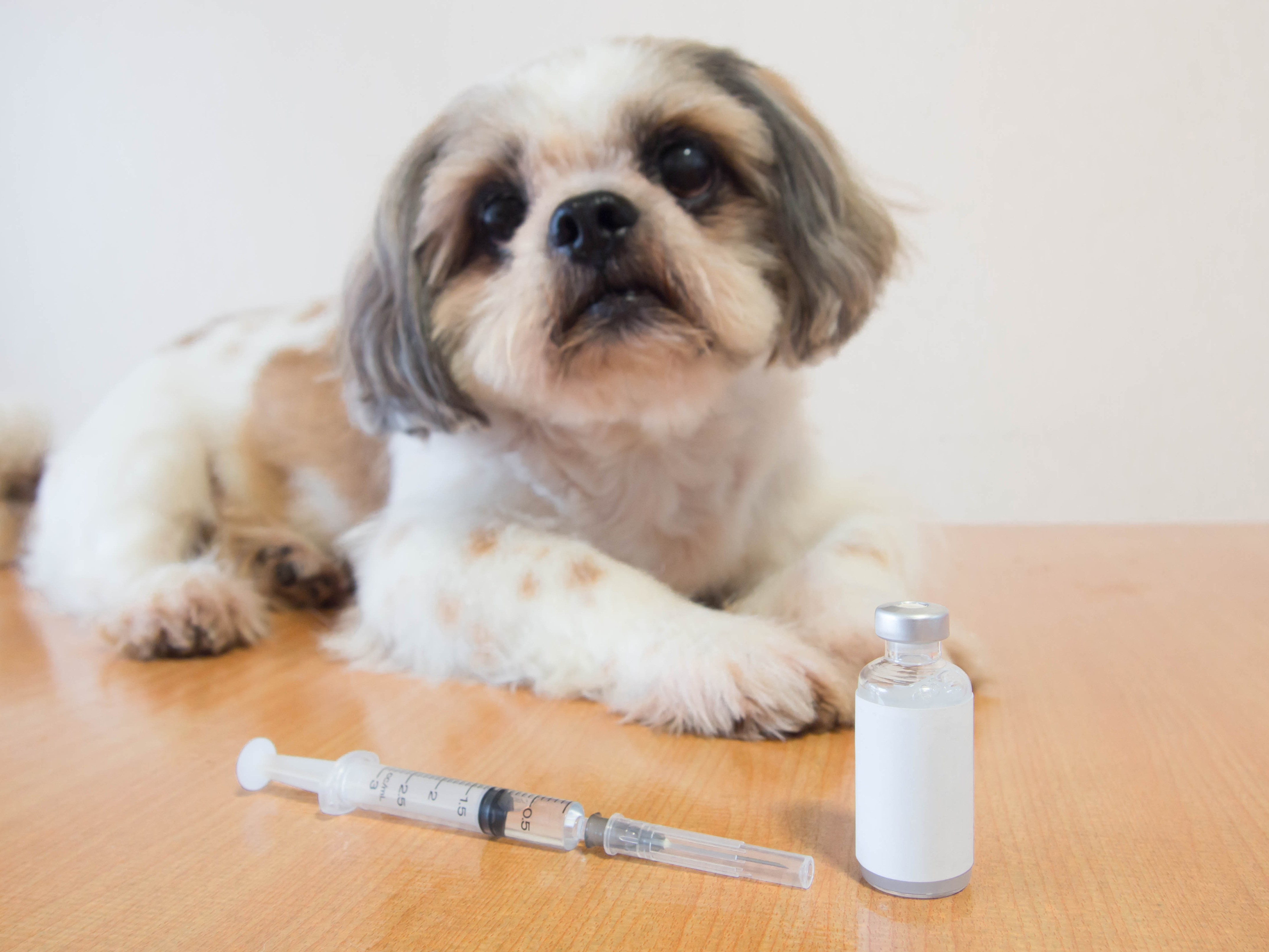
Since November is Diabetes Awareness Month for dogs, it’s the perfect time to talk about what this condition really means, how to recognize the early signs, and how you can help your dog live a long, happy, and healthy life with the right care.
Let's talk about it, since it doesn't need to feel like a scary diagnosis.
So, what is diabetes in dogs anyway?
We're about to throw some science your way. Just like in humans, diabetes happens when the body can’t properly regulate blood sugar. Most of the time, dogs develop what’s called diabetes mellitus. It means their pancreas doesn’t make enough insulin, or their body doesn’t use it properly. Insulin is what helps turn food into energy. Without it sugar builds up in the bloodstream instead of fueling the body.
2 main types of diabetes in dogs:
• Type I (Insulin-dependent diabetes): This is the most common form and means your dog’s body isn’t producing enough insulin.
• Type II (Insulin resistance): Less common in dogs but can occur, often linked to obesity or hormonal changes.

Common signs to watch for
You know your dog better than anyone, so changes in their habits are often the first clues. Things like:
• Drinking and peeing a lot more than usual
• Seeming hungrier but losing weight
• Acting tired or not wanting to play as much
• Cloudy eyes (which can signal cataracts, a common side effect of diabetes)
If you notice any of these, it’s worth a trip to your vet. Catching diabetes early can make a huge difference in how your dog feels and how well you can manage it.
Living With a Diabetic Dog
Once a routine is in place, managing a dog’s diabetes quickly becomes part of everyday life. Most dogs adjust easily, and with the right care, they can stay active, happy, and full of energy.
.jpg)
Insulin injections are a key part of treatment. They help regulate your dog’s blood sugar by giving the body the insulin it can’t produce on its own. The shots are small and given just under the skin, usually twice a day after meals. Many dogs barely notice them, especially when paired with a treat or even some extra love.
A few simple habits can make a big difference:
• Consistent meals and feeding times help keep blood sugar stable
• Daily walks or light exercise support healthy glucose levels
• Regular vet checkups help track progress and fine-tune insulin doses
• A diabetic-friendly diet designed by your vet supports stable energy and weight
When you establish a steady rhythm of feeding, movement, and medication, your dog begins to thrive again. The structure not only keeps them healthy but also deepens your connection because every bit of care you give reminds them, they’re safe and loved.
On A Positive Note:
Dogs with diabetes can live long, happy lives. They don’t worry about their diagnosis, they just look forward to the next hug, walk, or snack. What matters most is consistency, patience, and that same unconditional love you’ve always had for them.
If you’re starting this journey, know that you’re not alone. Every day gets easier, and your bond with your dog grows stronger because of the care you give.
October is National Adopt a Dog Month, which basically means this is the official month to admit what we already know: it’s impossible to resist all those sweet, goofy, lovable dog faces. Honestly, if it were up to us, we’d take them all home. (And if you’re a dog lover, we know you’ve had that thought too.)
At Happy Hound, we don’t just board and train pups, we also open our doors to foster dogs until they find their forever families. Think of us as the snuggly, safe “home between homes.”
We often foster dogs that can be a little harder to place—like big dogs, pups who need extra socialization, or bonded pairs who deserve to stay together. While they’re with us, these happy hounds build confidence, learn good manners, and get plenty of love from all of our staff.
Our team spends so much time with them playing, training, and watching how they respond in different situations so we can share valuable insights with prospective families about each dog’s personality and quirks. Don't we all have a little quirk or 2?
Over the years, we’ve partnered with local shelters and have fostered more than 30 dogs, and every single one has stolen a piece of our hearts. Letting them go isn’t always easy, we build such a bond with these four-legged, furry friends, but knowing they’re in a loving place brings all of us at Happy Hound happiness that simply cannot be conveyed in words.
Meet Our Current Heart-Melters
In honor of National Adopt a Dog month we’re featuring two special pups who are still waiting to make your couch their couch:
Bubba

Mix/Breed:
Shepherd-Husky Mix
Meet Bubba Gump — a laid-back gentleman with stunning blue eyes and a heart as big as his paws. At 5 years old, this Shepherd-Husky mix is all about calm vibes, loving snuggles, and those signature full-body tail wags. Bubba is a proud graduate of the Happy Hound Training Program, rocking excellent leash manners and obedience skills. He enjoys the company of other dogs in structured environments like our playgroups, but prefers the comfort of familiar spaces when out and about. He will thrive as your one-and-only dog—someone to soak up all your attention and return it with gentle hugs and soulful stares. No cats, please—Bubba's got a bit of a chase instinct. 💙 Ready for a best friend who adores you right back? Come meet Bubba! One look into those blue eyes, and you’re done.
King
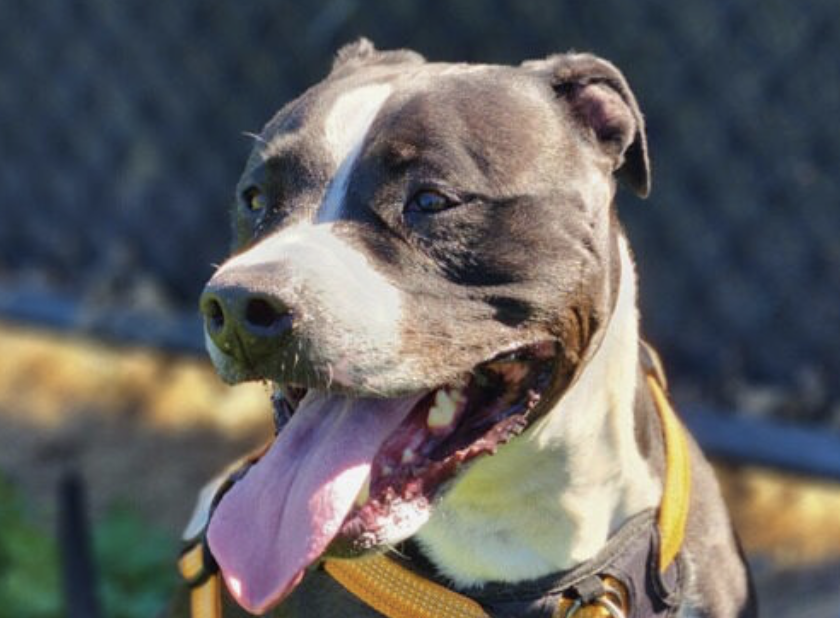
Mix/Breed:
Pit Bull Cross
Hi! My name is King. I'm a very handsome boy looking for a new home! I came to Marine Humane due to a housing situation. I am 7 years old, crate trained, and house-trained. I will sit patiently while you prepare my food and my foster brother and I eat close to each other. I have had only one family since I was a pup and being in a Foster home is very confusing. I love my foster brother but new dogs make me nervous, and I do not totally understand boundaries. That can be rough on other animals that like their space or are smaller than me. I love walking, running, playing tug, and chewing on a ball. But I also have my favorite spot in the sun. I can get very excited, and this can be difficult for some. I know I look big and can be too rough sometimes, but I just want to show love.
Why We Foster
Because let’s be real: every dog deserves a soft bed, a warm lap, and someone to tell them they’re the best boy/girl ever. Shelters do amazing work, but foster homes let dogs show off their true personalities. We love being that “in-between home” until their forever people show up. It makes for the most perfect love story!
How You Can Join the Fun

The gratitude these dogs show is unmistakable—in their joyful tail wags, their eager snuggles, and their steadfast loyalty. It’s a gift to witness, and a reminder of the power of second chances. Every wagging tail we’ve seen leave for a new home proves just how much difference one person can make.
So, this October, when you find yourself pausing on a photo and thinking, ‘this could be the one,’ don’t ignore that feeling. Somewhere out there, a pup is waiting for someone just like you.
Bubba & King Love visitors if you are interested in meeting these handsome faces, please reach out here.




.avif)