.png)
At first glance, a foxtail doesn't seem all that threatening. It sways in the breeze, looks soft and fuzzy, and honestly resembles something you might pick on a summer walk and absentmindedly twirl between your fingers.
But looks can be deceiving.
Despite their innocent appearance, foxtails are one of the sneakiest hazards your dog can encounter outdoors. These tiny seed heads are designed by nature to travel and unfortunately, that sometimes means traveling into your favorite furry tagalong's ears, paws, nose, eyes, or skin. This unassuming little seed sends more dogs to the vet each summer than almost anything else outdoors. How? Because foxtails have one job, and they are terrifyingly good at it: burrowing forward into whatever they touch, and never, ever backing out.
We’ve got some good news though. A little awareness around foxtails can really go a long way toward keeping your dog safe, especially during outdoor adventures.
.png)
What Exactly Are Foxtails?
Foxtails are the seed heads of certain wild grasses that commonly grow in fields, vacant lots, hiking trails, roadsides, parks, and even some backyards. So really, they can pop up in a lot of places. They're most common from late spring through fall, especially after grasses begin drying out.
Each seed has tiny backward-facing barbs that act like miniature fishhooks. This clever design helps the seeds bury themselves into the soil for reproduction. Which is great for our earth, but not our furry friends.
Those barbs are the whole problem. They act like the teeth on a zip tie: easy to push forward, nearly impossible to pull back.
Those same barbs latch onto fur and continue moving in only one direction which is always forward. That one-way design means once a foxtail catches on your dog and starts working its way into skin, fur, or a body opening, it keeps moving deeper with every twitch, lick, or step your dog takes (ouch!). It doesn't dissolve. It doesn't stop. It just keeps burrowing until something - usually a vet with tweezers or a scope gets involved. And we all know that’s not a fun visit.
Why Are Foxtails So Dangerous?
The biggest problem with foxtails is that they don't dissolve or work themselves back out.
Once embedded, they can continue migrating through tissue, leading to:
- Pain and inflammation
- Abscesses
- Infection
- Swelling
- Tissue damage
- Damage to internal organs (in rare but serious cases)
If left untreated, what starts as a tiny grass seed can become a major medical problem requiring surgery.
Where These Little Troublemakers Like to Hide
Foxtails aren't picky, but they do have favorite entry points:
.png)
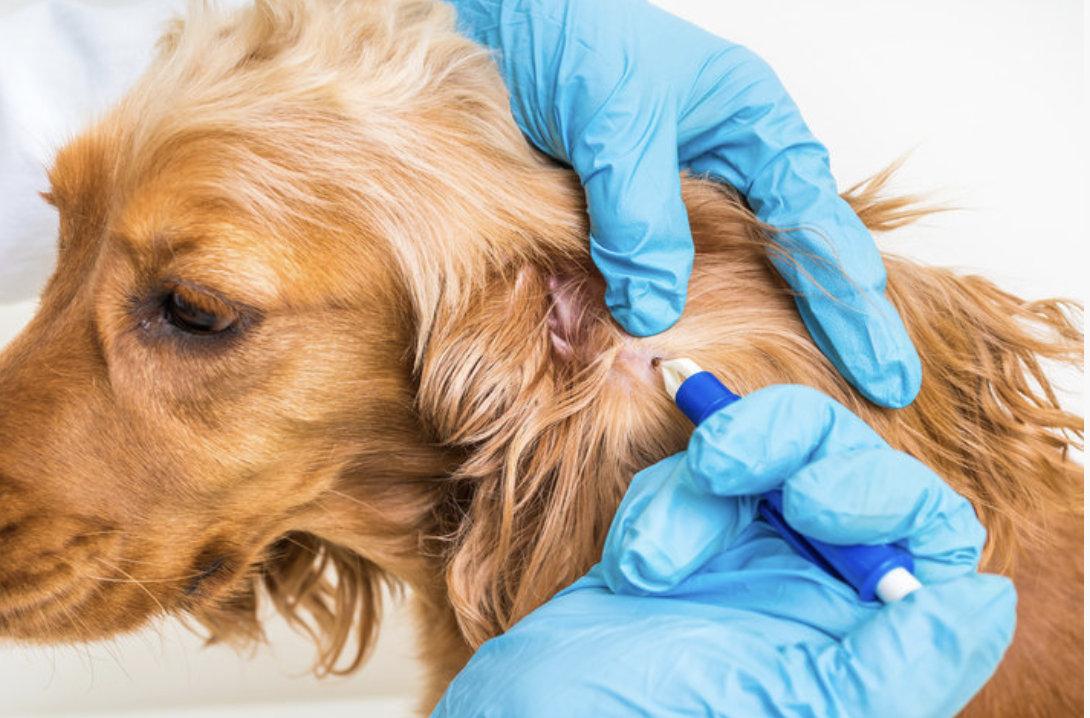
- Ears – they can burrow straight toward the eardrum, causing intense pain and head shaking
- Nose – often inhaled during sniffing, leading to sudden, violent sneezing fits
- Paws and between the toes – a classic hiding spot that causes limping and swelling
- Eyes – can scratch the cornea or lodge under the eyelid
- Mouth and throat – picked up while chewing on grass
- Armpits, groin, and belly – easily missed spots on longer-haired dogs
Because they can enter through so many different points and keep traveling once they're in, a foxtail that starts in a paw can, in rare and serious cases, end up causing internal complications far from where it entered. That's not meant to send you into a panic spiral; it's just why vets take foxtails so seriously even when they seem minor at first.
Why "Wait and See" Isn't a Great Strategy
Here's the tricky part: foxtails don't always announce themselves. Sometimes it's obvious and your dog is suddenly shaking their head like they're trying to fling it off their shoulders, or frantically pawing at their face. Other times, the signs are subtler: a little extra licking at one paw, a small area of swelling, occasional sneezing.
The longer a foxtail sits undetected, the deeper it travels and the harder (and more expensive) it becomes to remove. What starts as a quick in-office extraction can turn into sedation, imaging, or even surgery if it's missed for too long.
The Best Defense Is Prevention
The easiest foxtail to remove is the one that never gets attached in the first place.
Here are a few simple habits that can make a big difference:
- Skip Overgrown Areas
Avoid letting your dog romp through tall, dry grasses whenever possible, especially during foxtail season.
- Stay on the Trail
Keeping your dog on marked paths and on leash when appropriate, reduces the chance they'll disappear into dense vegetation.
- Perform a Two-Minute "Foxtail Check"
After every hike or walk, run your hands over your dog's body.
Pay special attention to:
- Between every toe
- Ears
- Eyes
- Nose
- Armpits
- Belly
- Tail
- Groin
- Under the collar
Think of it as giving your dog a quick spa inspection before heading inside.
- Keep Hair Trimmed
Regular grooming, especially around the paws, ears, and rear end, makes it easier to spot hitchhiking foxtails before they become a problem.
.png)
Can I Remove a Foxtail Myself?
Sometimes.
If a foxtail is clearly sitting on the surface of the coat or barely caught in the fur, you can usually remove it carefully with your fingers or tweezers.
However, don't dig, probe, or squeeze if the foxtail has already entered the skin.
If it's:
- lodged in the ear
- inside the nose
- in or around the eye
- embedded in the paw
- beneath the skin
- causing swelling or pain
it's time to let your veterinarian handle it. Attempting to remove an embedded foxtail yourself can push it deeper or leave fragments behind.
When in Doubt, Get It Checked Out
If you notice your dog suddenly shaking their head, sneezing repeatedly, limping, licking one spot obsessively, or showing swelling or discharge anywhere - don't wait it out. Foxtails are a "the sooner, the better" problem. What's a five-minute removal today can become a much bigger ordeal in a week.
Your pet pal can't tell you something's stuck, but their behavior usually will. Trust the head shake. Trust the limp. Trust the weird sneezing fit that won't quit. When in doubt, check it out.
Tiny Seed, Big Trouble
Foxtails may be one of the smallest hazards your dog encounters outdoors, but they can cause some of the biggest headaches for both pets and their people.
Fortunately, prevention is simple. A quick inspection after outdoor adventures, avoiding overgrown grassy areas, and knowing the warning signs can help keep your dog safe all season long.
Quick Reference Guide
Be sure to save or print the foxtail quick reference guide below for an easy reminder of where foxtails hide, what symptoms to watch for, and how to protect your dog during foxtail season. It's a handy resource to keep on your phone before your next hike or outdoor adventure!
.png)

















.png)
.png)







.png)

.png)








.png)




.jpg)


.jpg)


.avif)